
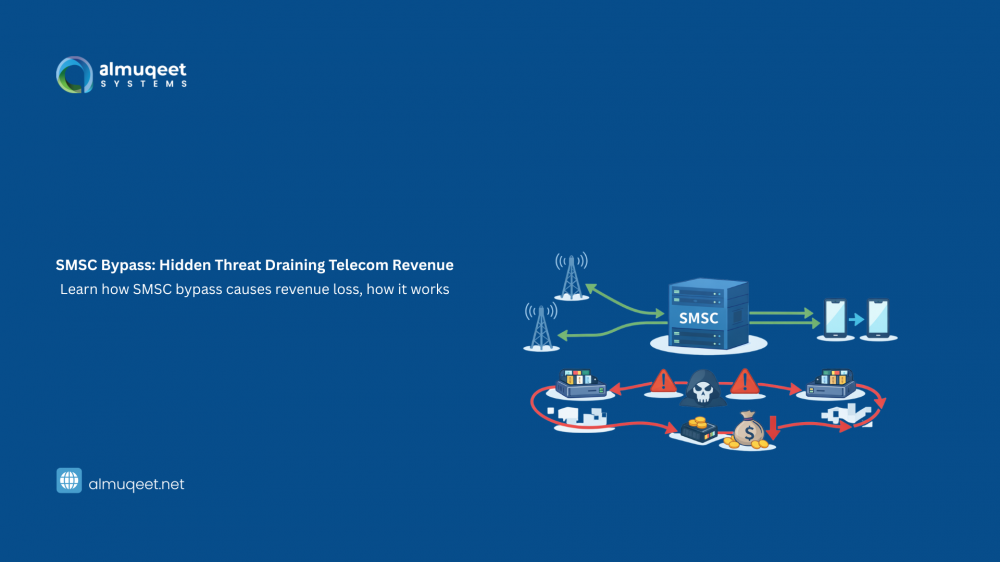
Messaging networks are built to deliver reliability, speed, and scale. Telecom operators invest heavily in infrastructure, routing, and partnerships to ensure seamless communication.
Yet, despite all this investment, revenue often doesn’t align with traffic volumes.
Messages are delivered. Networks remain active. But profits quietly decline.

One of the biggest reasons behind this gap is SMSC bypass—a hidden issue that operates in the background, often unnoticed until the impact becomes significant.
What is SMSC Bypass?
SMSC bypass is a technique where SMS traffic avoids the official Short Message Service Center (SMSC) routes and enters a telecom network through unauthorized or cheaper paths.
Instead of using legitimate A2P routes, traffic is rerouted through alternative methods such as SIM boxes or grey routes, allowing senders to reduce costs while operators lose revenue.
In simple terms, messages are delivered—but not properly monetized.
Why SMSC Bypass is a Serious Problem
SMSC bypass is not just a technical issue—it’s a business risk.

Revenue Leakage
Operators lose money because messages bypass official billing routes. Even high traffic volumes do not translate into expected revenue.
Network Congestion
Unauthorized traffic, especially through SIM farms, can overload network resources and impact performance.
Reduced Visibility
Since traffic avoids standard channels, it becomes difficult to track its origin, route, and behavior.
Security Risks
Bypassed traffic may include spam, phishing messages, or fraudulent content, putting users at risk.
Compliance Challenges
Telecom regulations require proper routing and monitoring. Bypass traffic can lead to non-compliance issues and penalties.
How SMSC Bypass Happens
SMSC bypass typically occurs through methods designed to exploit cost differences and routing gaps.
SIM Box Bypass
Fraudsters use multiple SIM cards to convert international A2P messages into local P2P traffic.
Grey Routes
Messages are routed through unauthorized or unofficial channels that are cheaper but not compliant.
Direct Injection
Traffic is injected into the network through unsecured or poorly monitored entry points.
Weak Filtering Systems
Lack of proper monitoring and filtering allows unauthorized traffic to pass through undetected.
Signs Your Network May Be Affected
SMSC bypass is not always obvious, but there are warning signs:
- Increasing traffic without proportional revenue growth
- Unusual spikes in P2P messaging volumes
- Decrease in international A2P traffic revenue
- Inconsistent delivery patterns
- Difficulty tracing message origins
Recognizing these signs early can help prevent larger losses.
How to Prevent SMSC Bypass
Preventing SMSC bypass requires a combination of technology, monitoring, and control.
Implement an SMS Firewall
An SMS firewall helps monitor, filter, and control messaging traffic in real time, blocking unauthorized routes and detecting suspicious activity.
Strengthen Routing Controls
Ensure that all traffic follows authorized and validated routes.
Monitor Traffic Patterns
Analyze messaging behavior regularly to identify anomalies and irregular patterns.
Block SIM Box Activity
Detect and prevent SIM farm usage through traffic analysis and pattern recognition.
Enhance Network Security
Secure entry points and eliminate vulnerabilities that allow unauthorized traffic injection.
The Role of SMS Firewall in Bypass Prevention
An SMS firewall acts as the first line of defense against SMSC bypass.
It provides:
- Real-time traffic filtering
- Sender and route validation
- Fraud detection mechanisms
- Detailed visibility into messaging flows
By implementing an SMS firewall, operators can regain control over their network and protect revenue streams.
Why Traditional Approaches Are Not Enough
Many operators rely on manual monitoring or basic filtering systems. However, modern bypass techniques are more advanced and harder to detect. Without automated and intelligent systems, it becomes nearly impossible to keep up with evolving threats. A proactive approach is essential.
Conclusion
SMSC bypass is not always visible, but its impact is significant. It quietly drains revenue, affects network performance, and introduces security risks. As messaging continues to grow, telecom operators must move beyond basic delivery systems and focus on control, monitoring, and protection. Addressing SMSC bypass is not just about stopping fraud—it’s about safeguarding the foundation of your messaging business.





