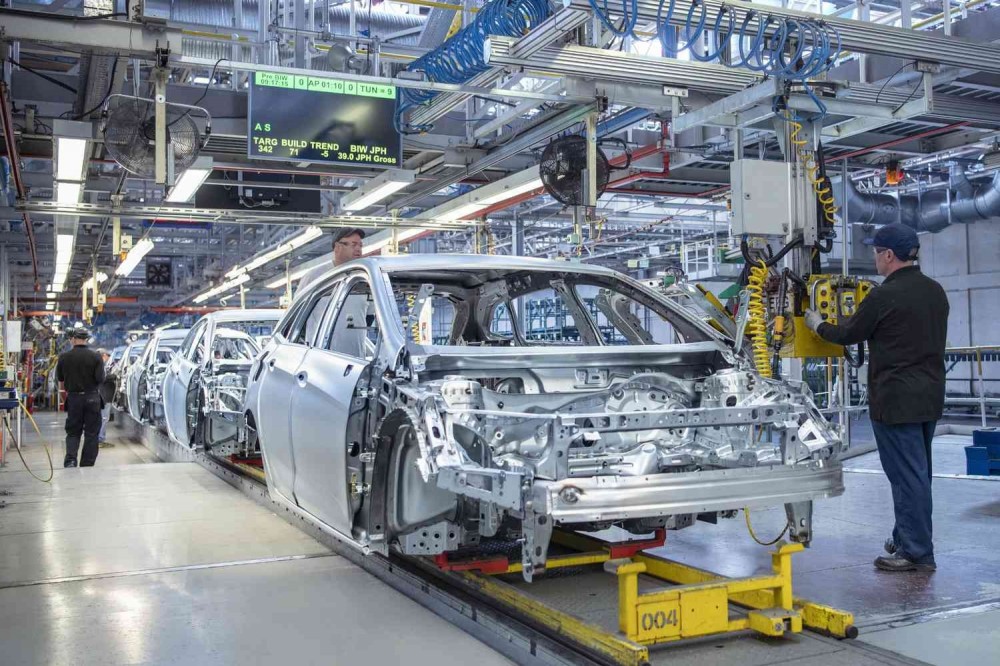
Machine building, a cornerstone of Europe’s industrial sector, has been a driving force behind the continent’s economic strength and technological innovation. This industry encompasses the design, manufacturing, and maintenance of machinery and mechanical systems used in a multitude of sectors, including automotive, aerospace, manufacturing, and energy.

Historical Context
Europe’s machine-building tradition dates back to the Industrial Revolution, which saw a surge in the development of machinery and industrial equipment. Countries like Germany, the United Kingdom, and Italy became pioneers in engineering excellence, establishing a legacy that continues to this day. The German Maschinenbau, or mechanical engineering, sector has long been synonymous with precision and quality, setting global standards in various industries.
Current Landscape
Today, Europe remains a global leader in machine building, thanks to its strong emphasis on research and development (R&D), innovation, and a highly skilled workforce. The industry is characterized by a network of large multinational corporations and specialized small and medium-sized enterprises (SMEs) that drive technological advancements and economic growth. The top-10 European automotive companies continue to develop the field.
Innovation and Technology
European machine builders are at the forefront of integrating cutting-edge technologies such as automation, robotics, and artificial intelligence (AI) into manufacturing processes. The advent of Industry 4.0, which emphasizes smart manufacturing and digitalization, has further propelled the industry towards greater efficiency and productivity.

- Automation and Robotics: European companies are leaders in developing automated systems and robotic solutions that enhance production capabilities while reducing costs and improving safety.
- Artificial Intelligence: AI is increasingly being used to optimize machinery performance, predictive maintenance, and improve decision-making processes.
- Sustainability: There is a strong focus on developing sustainable technologies and machinery that minimize environmental impact. Energy-efficient designs and renewable energy integration are key areas of innovation.
Conclusion
Machine building remains a vital sector in Europe’s economy, characterized by a rich heritage of engineering excellence and a forward-looking approach to innovation. As the industry continues to evolve, it will play a crucial role in shaping the future of manufacturing and industrial processes, reinforcing Europe’s position as a global leader in technology and industrial prowess.