

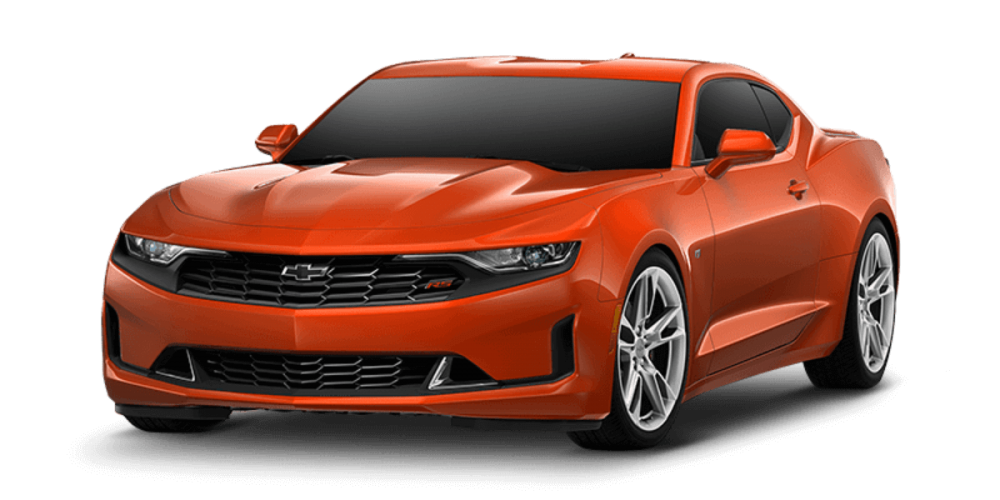
The engine air filter is one of the most essential components in maintaining your vehicle’s engine performance. It ensures that clean, filtered air reaches the engine, allowing for efficient combustion and optimal performance. A clogged or damaged air filter can lead to decreased fuel efficiency, reduced engine power, and potentially costly repairs. So, choosing the right air filter like A-Premium engine air filter is crucial for your car’s longevity and efficiency. Here’s a guide to help you make an informed decision when selecting a car engine air filter.
1. Know the Purpose of an Air Filter
The primary role of an engine air filter is to keep debris, dust, and contaminants from entering the engine. When clean air is drawn into the engine, it combines with fuel to create the combustion necessary for powering the vehicle. If the air filter is clogged or inefficient, the engine may struggle to draw in the required airflow, affecting performance and increasing fuel consumption.
2. Check the Vehicle's Specifications
Before purchasing an air filter, it’s essential to consult your vehicle’s owner manual. This will provide the specific requirements for your car, such as the filter size and type, ensuring you buy one that fits correctly. If you can’t find this information, an auto parts store or mechanic can help you locate the right filter for your make and model.

3. Consider Filter Materials
Air filters come in various materials, each with its own set of advantages. The most common types are:
-
Paper Filters: These are the standard filters used in most vehicles. They are affordable and highly efficient at trapping dirt and debris. However, they can get clogged relatively quickly and are not reusable.
-
Cotton or Synthetic Filters: These filters are often used in performance or aftermarket options. They provide excellent filtration and airflow, increasing engine efficiency. They can be cleaned and reused, making them a cost-effective option in the long run.
-
Foam Filters: Typically used in off-road vehicles or motorcycles, foam filters are excellent for high-performance situations but require regular cleaning and maintenance.
When selecting a filter material, consider your driving habits. If you drive primarily on highways or urban roads, a paper filter will likely suffice. For off-road or high-performance vehicles, cotton or synthetic options may offer superior performance.

4. Check for Compatibility
It’s crucial to ensure that the air filter you choose is compatible with your car’s engine. While many filters may look similar, slight differences in size, shape, or even air intake channels can affect performance. An incorrectly sized filter can reduce airflow, harm engine components, and even lead to a drop in horsepower.
5. Choose Based on Driving Conditions
If you drive in dusty or polluted environments, you’ll want to select a high-performance filter that can handle the increased dirt and debris. For example, a performance cotton filter will provide better airflow, but it may also require more frequent cleaning in dusty areas. Regular driving in normal conditions won’t put as much strain on your air filter, so a standard paper filter might be sufficient.
6. Think About Maintenance
Some filters, like cotton or synthetic ones, are reusable and can be cleaned, making them more environmentally friendly and cost-effective over time. Paper filters, however, are usually single-use and must be replaced when they become clogged. Consider how often you’re willing to maintain your filter and whether a reusable option aligns with your lifestyle.
7. Budget and Quality
While it may be tempting to buy the cheapest option, remember that quality matters. A low-quality filter can compromise engine performance, potentially leading to higher repair costs down the road. It’s better to invest in a reputable brand known for producing high-quality filters. Well-known manufacturers like K&N, Fram, and Bosch offer reliable products at various price points.
Conclusion
Choosing the right engine air filter for your car involves considering several factors, including your vehicle's specifications, the filter material, and your driving conditions. By selecting the correct filter, you can help ensure your engine runs efficiently, improve fuel economy, and extend the lifespan of your vehicle Click This. Remember, regular maintenance and timely replacement of the air filter can save you money and avoid unnecessary repairs in the long run.





