
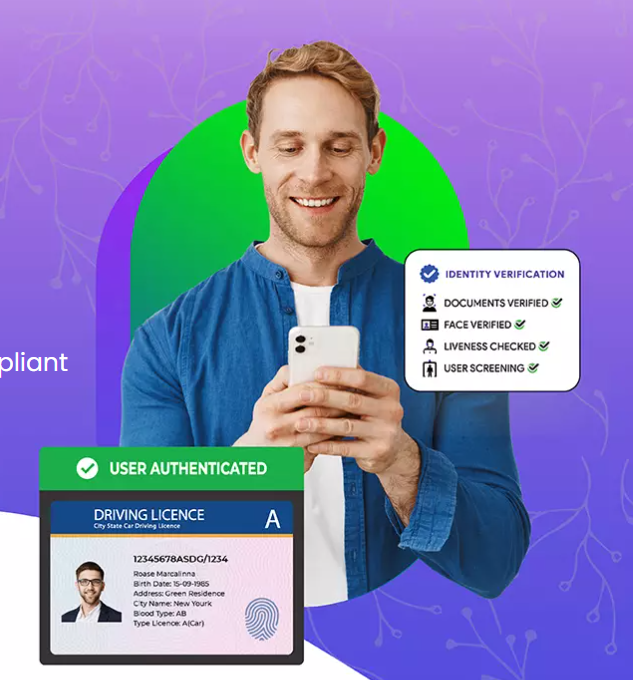
In an increasingly digital world, businesses must ensure the authenticity of their customers while providing seamless user experiences. Identity verification services, particularly Know Your Customer (KYC) and face verification, have become crucial for maintaining security, preventing fraud, and meeting compliance requirements. With digital transactions on the rise, companies must integrate efficient and reliable identity verification solutions to build trust and prevent illicit activities.
What is Identity Verification?
Identity verification is the process of confirming that an individual is who they claim to be. It is widely used in industries such as banking, fintech, e-commerce, healthcare, and online gaming to prevent identity theft and fraud. Traditional methods included document verification, but modern solutions leverage AI-driven technologies like biometric authentication and facial recognition to enhance security and efficiency.
Understanding KYC in Identity Verification
KYC (Know Your Customer) is a regulatory process that financial institutions and businesses use to verify the identity of their clients. KYC compliance is mandatory in many sectors to combat money laundering, terrorism financing, and fraudulent activities. The process typically involves:

-
Document Verification – Customers provide government-issued ID documents, such as passports, driver’s licenses, or national IDs.
-
Address Verification – Utility bills, bank statements, or official correspondence are used to confirm the customer’s residential address.
-
Biometric Verification – Advanced KYC solutions include facial recognition, fingerprint scans, and liveness detection to verify a person’s physical identity.
Face Verification: The Future of Secure Authentication
Face verification is a biometric authentication method that ensures the person presenting an ID is the legitimate owner. With the help of artificial intelligence (AI) and machine learning (ML), facial recognition technology can match a user’s live image with the photo on their identity document.
Key Features of Face Verification:
-
Liveness Detection – Prevents spoofing attempts using images, videos, or deepfake technology.

-
AI-Based Matching – Compares facial features with high accuracy, reducing the risk of impersonation.
-
Real-Time Verification – Ensures instant authentication for seamless onboarding and transactions.
-
Scalability – Can be integrated into mobile apps, websites, and automated KYC workflows.
Benefits of Identity Verification, KYC, and Face Verification
-
Fraud Prevention: By verifying user identities, businesses can prevent identity fraud, account takeovers, and financial crimes.
-
Regulatory Compliance: KYC ensures compliance with AML (Anti-Money Laundering) regulations, protecting companies from legal consequences.
-
Enhanced User Experience: Automated identity verification service reduces onboarding time, eliminating the need for manual processes.
-
Data Security: Secure biometric authentication minimizes the risks associated with password-based systems.
-
Global Reach: Digital verification solutions enable businesses to onboard customers from anywhere in the world, facilitating international expansion.
Conclusion
Identity verification services, particularly KYC and face verification, are essential in today’s digital landscape. Businesses must adopt robust verification processes to prevent fraud, ensure compliance, and enhance customer trust. With AI-powered solutions, organizations can streamline identity verification while maintaining high security and user convenience.





