

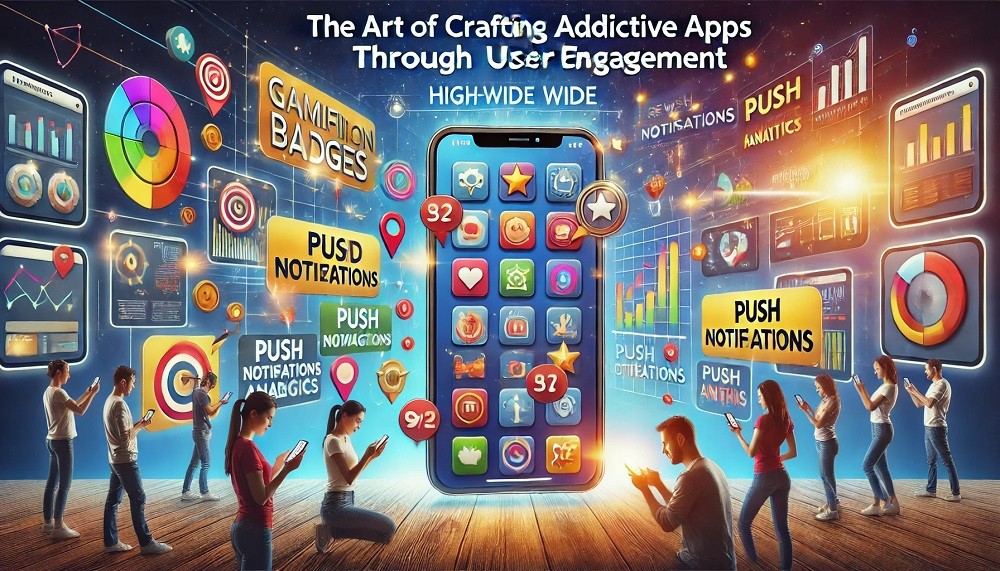
In an era where mobile applications dominate the digital landscape, engaging users is a critical challenge for developers and businesses. While functionality and aesthetics play a role, user retention and engagement determine an app’s long-term success. One of the most effective strategies for increasing user engagement is gamification—a technique that integrates game-like elements into non-gaming applications to enhance user experience. By adding rewards, challenges, and interactive elements, apps can create an engaging environment that encourages users to stay active and invested.
Gamification has been successfully used in various industries, from education and healthcare to e-commerce and fitness. Businesses looking to improve user engagement should explore how game mechanics can transform their applications. This article delves into the principles of gamification, its impact on mobile apps, and how a custom mobile app development company can leverage this strategy to create immersive user experiences.
The Psychology Behind Gamification
Gamification taps into basic psychological principles that drive human behavior. By incorporating elements such as competition, rewards, and progression, apps can engage users on a deeper level. People naturally seek achievement, recognition, and enjoyment—principles that game mechanics capitalize on.
One of the core psychological concepts behind gamification is the reward system. When users receive a reward for completing a task, their brains release dopamine, which reinforces positive behavior. This is why features like badges, leaderboards, and points keep users motivated. By working with a custom mobile app development company, businesses can create applications that incorporate these mechanics in a way that aligns with user needs and business objectives.
How Gamification Enhances Mobile Apps
Gamification provides multiple benefits for mobile applications, making them more engaging and interactive. By integrating game-like features, developers can encourage user participation and loyalty. Some key benefits of gamification include:
- Increased User Retention: Apps with gamification elements encourage users to return frequently to achieve new milestones or rewards.
- Enhanced User Engagement: Interactive features keep users active and immersed, reducing app abandonment rates.
- Stronger Community Building: Social elements, such as leaderboards or group challenges, create a sense of competition and collaboration.
- Encouraging Desired Behaviors: Whether it's completing tasks in a productivity app or reaching fitness goals in a health app, gamification motivates users to take action.
Industries Leveraging Gamification
Many industries have adopted gamification to enhance their mobile applications. The technique is not limited to entertainment apps; it has found success in education, healthcare, retail, and even financial services.
Education: Gamified learning platforms use interactive challenges, quizzes, and rewards to encourage students to engage with content. Apps like Duolingo have successfully integrated gamification to make language learning fun and engaging.
Healthcare and Fitness: Fitness apps leverage gamification by rewarding users for achieving workout goals, tracking steps, or completing challenges with friends. These features help users stay motivated and maintain a healthy lifestyle.

Retail and E-commerce: Brands use gamified loyalty programs, discount challenges, and interactive shopping experiences to increase customer engagement and drive sales.
Finance: Personal finance apps encourage saving and budgeting through progress tracking, milestone achievements, and reward-based incentives.
For businesses looking to incorporate gamification effectively, partnering with a custom mobile app development company is essential to designing tailored solutions that align with business objectives.
Key Gamification Elements in Mobile Apps
A successful gamification strategy involves carefully selecting elements that resonate with users. Here are some of the most commonly used gamification features in mobile apps:
- Progress Bars and Levels: Users feel a sense of accomplishment when they see visual progress indicators. Whether it’s unlocking new levels in an app or completing a task list, progress bars keep users motivated.
- Points and Rewards: Awarding points for user actions encourages engagement and repeat usage. Apps often allow users to redeem points for discounts, virtual goods, or real-world rewards.
- Leaderboards and Social Challenges: Competition drives engagement, and leaderboards allow users to compare their performance with others. Social challenges encourage collaboration and friendly competition, making the experience more interactive.
- Badges and Achievements: Earning virtual badges or certifications enhances user satisfaction. This element is particularly useful in learning and professional development apps.
- Quests and Challenges: Setting goals and challenges keeps users engaged for longer periods. Whether it’s a weekly fitness challenge or a daily productivity goal, users feel encouraged to stay active within the app.
Implementing Gamification in Mobile Apps
While gamification is powerful, it needs to be implemented strategically to be effective. Simply adding points and rewards is not enough; the entire user experience must be designed with engagement in mind. Here are some key considerations when integrating gamification into an app:
- Understanding the Target Audience: Not all users respond to gamification in the same way. Developers must understand their audience’s preferences and tailor features accordingly.
- Aligning Gamification with App Goals: The gamification elements should support the app’s core objectives rather than feel like an add-on.
- Ensuring Simplicity and Clarity: Overcomplicating gamification can confuse users. Features should be intuitive and easy to understand.
- Providing Meaningful Rewards: Users should feel that the rewards they earn have value, whether it's recognition, incentives, or exclusive access to premium features.
For businesses looking to develop engaging applications, working with a custom mobile app development company ensures that gamification is seamlessly integrated into the app’s functionality and design.
Choosing the Right Development Partner
Creating a gamified mobile app requires technical expertise and a deep understanding of user behavior. Businesses should consider partnering with an experienced development team to bring their vision to life. If you’re looking to hire app developer with experience in gamification, ensure they have a strong portfolio of successful projects.
A reliable development partner can help with:
- Designing user-friendly interfaces
- Implementing effective gamification strategies
- Ensuring scalability and performance optimization
- Integrating analytics to track user engagement
Whether you’re building a new app or enhancing an existing one, finding the right team to hire app developer can make a significant difference in user retention and engagement.
The Future of Gamification in Mobile Apps
As technology continues to evolve, gamification will play an even bigger role in mobile applications. Emerging trends such as augmented reality (AR), artificial intelligence (AI), and blockchain are reshaping how gamification is implemented.
- AR and VR Integration: Apps are incorporating immersive experiences where users can engage with virtual environments.
- AI-Driven Personalization: AI analyzes user behavior to create customized gamification experiences tailored to individual preferences.
- Blockchain-Based Rewards: Secure and transparent reward systems using blockchain technology are gaining popularity.
Businesses that stay ahead of these trends will have a competitive advantage in creating apps that keep users engaged. A custom mobile app development company can provide insights and solutions that leverage these advancements effectively.
Conclusion
Gamification has transformed the way users interact with mobile applications, providing businesses with a powerful tool to boost engagement, retention, and loyalty. Whether in education, healthcare, finance, or retail, gamification enhances the overall user experience and drives app success.
For companies looking to incorporate gamification, working with a custom mobile app development company ensures the right strategies are implemented effectively. Additionally, businesses seeking to hire app developer should prioritize expertise in gamification to build feature-rich applications that captivate users.
As mobile technology continues to advance, integrating gamification into apps will remain a key factor in driving user engagement. By focusing on innovative, user-centric design, businesses can create compelling digital experiences that keep users coming back for more.





