

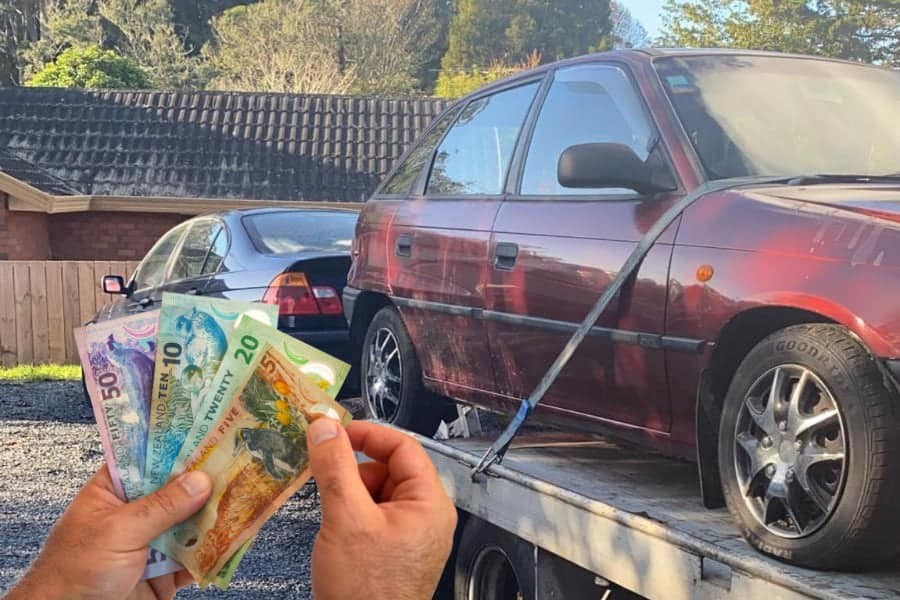
When a car reaches the end of its useful life, it often becomes more expensive to repair than it is worth. Selling it for scrap is a practical choice, but what actually happens after the vehicle is taken away? Many assume that it is simply crushed and forgotten, but the process is far more detailed. Scrap yards and recycling centres follow a structured approach to maximise material recovery, safely dispose of hazardous substances, and ensure that valuable parts get a second life.
Understanding how scrapped cars are handled can help owners make informed decisions when it comes to disposing of old vehicles. Let’s go step by step through what happens after a car is sold for scrap.
Step 1: Vehicle Collection and Documentation
Once a car is sold for scrap, it is typically collected by a removal service. The vehicle’s details are checked, and ownership is verified before further processing begins. In most cases, the owner must cancel the registration and remove number plates before the car is scrapped. Depending on the region, there may also be requirements for notifying the transport authority about the disposal of the vehicle.
If the car is still in running condition, it may be resold instead of scrapped. However, if it is beyond repair or unfit for the road, it moves to the next stage in the process.
Step 2: Fluid Removal and Handling of Hazardous Materials
Before any dismantling begins, the car’s fluids must be drained. Vehicles contain several types of fluids that can be harmful to the environment if not handled properly. These include:
- Engine oil – Collected and sent for refining so it can be reused.
- Transmission fluid – Recycled or disposed of according to environmental guidelines.
- Coolant – If uncontaminated, it can be filtered and reused.
- Brake fluid and power steering fluid – These are hazardous and require careful disposal.
- Petrol or diesel – Any leftover fuel is safely removed before processing.
Apart from fluids, cars contain hazardous components such as lead-acid batteries, mercury switches, and airbags, all of which must be handled separately to prevent contamination or safety risks.
For unwanted car removal visit here: https://carremovaladelaide.com.au/unwanted-car-removal-adelaide/
Step 3: Salvaging Usable Parts
Many parts of a car remain in good condition even when the vehicle itself is no longer roadworthy. Before the car is crushed, workers inspect and remove components that can be resold or reused. Some commonly salvaged parts include:

- Engines and gearboxes – If they are still working, they can be cleaned, tested, and used in other vehicles.
- Alternators, starter motors, and radiators – Often refurbished and sold.
- Doors, windows, and side mirrors – If undamaged, these are resold for use in other cars.
- Seats, dashboards, and interior panels – Can be used to repair other vehicles.
- Tyres – Those with enough tread left can be sold, while worn-out ones may be repurposed for playground surfaces or road construction materials.
Reusing these parts reduces waste and lowers the demand for new manufacturing, which helps conserve energy and raw materials.
Step 4: Dismantling and Metal Recycling
Once all usable parts are removed, the remaining car body is sent for shredding. Large machines break down the vehicle into smaller pieces to separate different materials. The main metals recovered include:
- Steel – Found in the body, chassis, and structural components. It is melted down and used in new vehicles, construction, and various industrial applications.
- Aluminium – Commonly used in engines, wheels, and some panels. It is highly recyclable and used in several industries.
- Copper – Found in wiring and electrical components. It is extracted and repurposed for electrical and plumbing applications.
Recycling metals from vehicles significantly reduces the need for mining and lowers the environmental impact of producing new materials. Steel production, for example, relies heavily on recycled content, cutting down emissions and energy consumption.
Step 5: Processing Non-Recyclable Materials
Not everything in a car can be reused or recycled. Some materials, such as certain plastics, rubber, and fibreglass, may not have a practical recycling solution. These are sorted and sent to waste management facilities.
In recent years, there has been an effort to improve plastic recycling in the automotive industry. New technology is being developed to recover more materials that would otherwise end up in landfills. However, some components still pose challenges due to mixed materials or contamination.
Why Scrapping Old Cars is Important
Scrapping old cars plays a key role in environmental protection. Older vehicles often produce higher emissions, consume more fuel, and require constant repairs. By selling them for scrap, car owners contribute to reducing pollution and promoting responsible recycling practices.
In places like Adelaide, where many vehicles reach the end of their lifespan due to harsh weather conditions or accidents, scrapping becomes a necessary step. Services specialising in scrap car removal in Adelaide help in properly processing unwanted vehicles, ensuring that all usable materials are recovered while hazardous waste is managed safely. This process not only keeps the environment cleaner but also supports industries that rely on recycled materials.
Final Thoughts
Selling a car for scrap is not just about getting rid of an unwanted vehicle. It is part of a structured process that ensures materials are recovered, harmful substances are handled safely, and waste is minimised. From draining fluids and salvaging parts to recycling metal and processing leftover materials, each step contributes to sustainability.
If you have an old or damaged vehicle taking up space, scrapping it is a responsible way to dispose of it. This not only helps in recycling valuable materials but also reduces the negative impact of abandoned cars on the environment.





