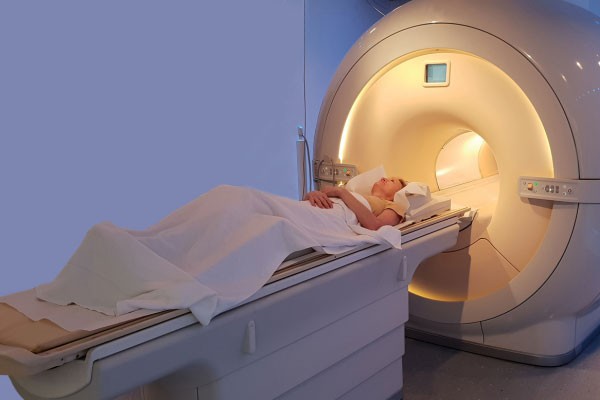
Medical imaging plays an important role in diagnosing various health conditions. Among the different imaging techniques available, MRI (Magnetic Resonance Imaging) is one of the most widely used methods. It provides detailed images of organs, tissues, and structures inside the body. If you have been advised to get an MRI scan in Brisbane, understanding the process can help you feel more prepared and at ease. This article explains how MRI scans work, what you can expect, and how to prepare for one.
What is an MRI Scan?
MRI stands for Magnetic Resonance Imaging. It is a medical imaging technique that uses strong magnets and radio waves to create detailed pictures of the inside of the body. Unlike X-rays or CT scans, MRI does not use radiation. Instead, it relies on a powerful magnetic field to produce images, making it a preferred choice for examining soft tissues such as the brain, muscles, joints, and internal organs.
Doctors use MRI scans to diagnose a wide range of conditions, including:

- Brain disorders such as tumours, strokes, and multiple sclerosis
- Spinal cord injuries or diseases
- Joint problems like ligament tears or cartilage damage
- Internal organ issues, including liver or kidney diseases
- Tumours and abnormal growths
- Blood vessel conditions like aneurysms
How Does an MRI Work?
MRI scans work by using a strong magnetic field and radio waves. The process involves the following steps:
- Magnetic Field Activation: When you lie inside the MRI machine, its magnetic field aligns hydrogen atoms in your body.
- Radio Wave Pulses: The machine then sends radio waves, which temporarily disrupt the alignment of these atoms.
- Signal Detection: As the atoms return to their original state, they release signals that are captured by the machine.
- Image Formation: A computer processes these signals and creates detailed images of the scanned area.
Different tissues in the body respond differently to the magnetic field, allowing doctors to distinguish between healthy and abnormal areas.
Preparing for an MRI Scan
If you have an upcoming MRI scan, there are a few things to keep in mind:
- Clothing and Accessories: You may be asked to wear a hospital gown. Metal objects, including jewellery, watches, and hairpins, must be removed as they can interfere with the magnetic field.
- Food and Drink: In most cases, you can eat and drink as usual. However, if the scan involves the abdomen or digestive system, fasting may be required.
- Medical History: Inform your doctor if you have implants like pacemakers, artificial joints, or metal clips, as these can be affected by the MRI machine.
- Claustrophobia Concerns: If you feel anxious in small spaces, talk to your doctor. Some facilities offer open MRI machines, or a mild sedative may be provided to help you relax.
Visit us: https://www.qldradiologyspecialists.com.au/radiology_services/ct-coronary-angiography/
What Happens During the Scan?
The procedure usually follows these steps:

- Positioning on the Table: You will be asked to lie down on a motorised table that slides into the MRI machine. Straps or cushions may be used to help keep you still.
- Communication with the Technician: The MRI technician will be in a separate room but can communicate with you through an intercom system. You will be given a buzzer to press if you need assistance.
- Scanning Process: Once the scan begins, you will hear loud knocking or buzzing sounds. This is normal and occurs due to the machine’s internal components moving. You may be given earplugs or headphones to reduce the noise.
- Duration: The scan typically lasts between 20 minutes to an hour, depending on the area being examined. It is important to remain as still as possible to ensure clear images.
If a contrast dye is required, it will be injected into a vein before or during the scan. This helps highlight specific areas in the images. The dye is generally safe, but you should inform the technician if you have any allergies or kidney problems.
After the MRI Scan
Once the scan is complete, you can usually resume your normal activities. If you received a contrast injection, you may be asked to drink plenty of water to help flush it from your system.
A radiologist will analyse the images and send the results to your doctor. This can take a few days, depending on the urgency of the case. Your doctor will then discuss the findings with you and, if necessary, recommend further tests or treatment.
Why MRI Scans Are Important for Diagnosis
Many medical conditions do not show obvious symptoms in the early stages. MRI scans help doctors detect issues that may not be visible through physical examination alone. For example, people experiencing ongoing headaches, dizziness, or muscle weakness might require a scan to rule out serious conditions.
In some cases, MRI scans also help in monitoring treatment progress. For instance, if a patient is undergoing therapy for a tumour or spinal condition, MRI scans can show whether the treatment is working effectively.
One common concern is the cost of MRI scans. While prices vary, some facilities in Brisbane offer bulk billing for eligible patients, reducing out-of-pocket expenses. It is a good idea to check with your doctor or imaging centre about available payment options.
MRI for Sports Injuries and Chronic Pain
Sports injuries and chronic pain conditions often require detailed imaging for accurate diagnosis. MRI scans are commonly used to assess ligament tears, muscle injuries, and joint damage. Unlike X-rays, which focus on bones, MRI scans provide a clear view of soft tissues, helping doctors identify the exact cause of pain or discomfort.
For individuals who play sports or engage in physical activities, timely imaging can prevent minor injuries from turning into long-term problems. Early detection allows for proper rehabilitation and treatment, reducing the risk of further damage.
Finding an Imaging Centre in Brisbane
When searching for an imaging facility, factors such as waiting times, equipment quality, and referral requirements should be considered. Some centres offer shorter waiting periods, while others may have more advanced scanning technology. It is always best to consult with your doctor to choose a facility that meets your needs.
For those requiring an MRI scan in Brisbane, selecting a well-equipped imaging centre with skilled radiologists ensures that the results are accurate and useful for diagnosis. Whether it is for a routine check-up, sports injury, or a more serious medical condition, MRI scans play a crucial role in modern healthcare.
Final Thoughts
MRI scans are an essential tool in medical diagnosis, providing detailed images of internal organs and tissues without using radiation. Understanding the process helps reduce anxiety and ensures a smoother experience. By following the preparation steps and staying informed, patients can undergo the scan with confidence.
If you have been advised to get an MRI, discussing any concerns with your doctor can help you feel more comfortable. With medical advancements, MRI technology continues to improve, offering clearer images and better diagnostic accuracy. Whether for detecting health issues or monitoring treatment, MRI scans remain a vital part of modern medicine.