

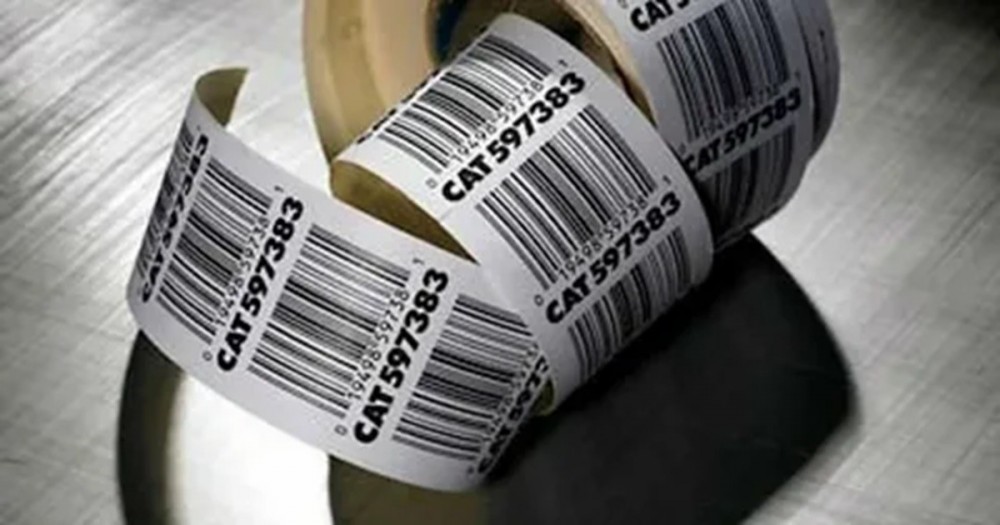
This is where barcode labels come into play. They streamline operations, improve inventory management, and enhance overall retail efficiency. In today's fast-paced business environment, efficiency and accuracy are crucial for success. Whether managing a retail store, warehouse, or supply chain, keeping track of products manually can be time-consuming and prone to errors.
If you’re looking to optimize your inventory and retail operations, barcode labels are a must-have tool. In this article, we’ll explore how barcode labels help businesses manage inventory more effectively, reduce errors, and improve customer satisfaction.
What Are Barcode Labels?
Barcode labels are printed tags containing a unique code made up of numbers and lines (bars) that represent product information. These labels can be scanned using barcode readers or mobile devices, instantly retrieving data about the product, such as price, stock levels, and description.

Barcodes are widely used in retail stores, warehouses, and manufacturing industries for tracking inventory, reducing human errors, and speeding up operations.
How Barcode Labels Improve Inventory Management:
Effective inventory management is essential for reducing waste, preventing stockouts, and ensuring that businesses always have the right products available. Barcode labels significantly enhance inventory management in several ways. Barcode labels eliminate the need for manual data entry, reducing the risk of human errors. With a quick scan, businesses can instantly update stock levels, track product movement, and maintain an accurate record of inventory. Manual inventory audits are time-consuming and prone to mistakes. Barcode labels enable quick and efficient stock checks by allowing employees to scan and verify inventory levels in real-time. This speeds up auditing processes and ensures inventory accuracy.
Prevention of Stockouts and Overstocking:
With real-time data from barcode scanning, businesses can monitor stock levels effectively. They receive automated alerts when inventory is running low, preventing stockouts. Additionally, barcode labels help in tracking slow-moving products, preventing overstocking and reducing storage costs.
Warehouse operations become more efficient when products are labeled with barcodes. Employees can easily locate, pick, and restock items, reducing time spent searching for products. This improves overall productivity and order fulfillment speed. Most modern inventory management software supports barcode scanning, allowing businesses to integrate barcode labels into their existing systems. This ensures real-time inventory updates and accurate reporting, helping managers make informed decisions.
How Barcode Labels Enhance Retail Operations:
In the retail industry, barcode labels play a crucial role in streamlining operations and enhancing customer experience. Here’s how they benefit retail businesses. Barcode labels enable quick and hassle-free checkouts. Instead of manually entering product details, cashiers can simply scan the barcode, instantly retrieving the price and product information. This reduces checkout times, minimizes long queues, and improves customer satisfaction.

Manual pricing can lead to discrepancies, resulting in overcharging or undercharging customers. With barcode labels, product pricing is stored in the system, ensuring consistent and accurate pricing across all sales channels.
Improving Inventory Visibility Across Multiple Locations:
Retail businesses with multiple store locations need real-time insights into inventory levels. Barcode labels allow seamless inventory tracking across different branches, enabling better stock distribution and reducing lost sales due to unavailability. Barcode labels help retailers provide better customer service. For instance, staff members can quickly check product availability, specifications, and pricing by scanning barcodes, providing instant assistance to customers. Barcode labels simplify the returns and exchange process by instantly retrieving purchase history and product details. This makes transactions smoother, reducing the chances of fraudulent returns.
Types of Barcode Labels Used in Inventory and Retail:
Different types of barcode labels cater to specific business needs. Here are the most commonly used barcode labels.
These are traditional barcodes consisting of black and white parallel lines. They store numeric or alphanumeric data and are widely used in retail and inventory management. Examples include:
- UPC (Universal Product Code) – Common in retail.
- Code 128 – Used for shipping and logistics.
These barcodes store more information than 1D barcodes and can be scanned from any angle. Examples include:
- QR Codes – Used for marketing and digital transactions.
- Data Matrix – Common in manufacturing and pharmaceuticals.
The Future of Barcode Labels in Retail and Inventory Management:
With advancements in technology, barcode labels continue to evolve. Some emerging trends include:
- Mobile Barcode Scanning: Smartphones are increasingly being used to scan barcodes, eliminating the need for dedicated scanners.
- Cloud-Based Inventory Systems: Barcode data is being integrated with cloud-based platforms for real-time inventory tracking.
- AI and Automation: Artificial intelligence is being used to analyze barcode data, optimizing stock levels and predicting demand.
As businesses embrace these innovations, barcode labels will continue to play a critical role in improving efficiency, reducing costs, and enhancing customer experience.
Conclusion:
Barcode labels are a game-changer for inventory management and retail operations. They offer a simple yet effective solution for tracking stock, reducing errors, and improving efficiency. Whether you're managing a small retail store or a large warehouse, implementing barcode labels can lead to significant operational improvements.
By choosing the right barcode label system, investing in quality equipment, and following best practices, businesses can stay ahead of the competition and provide seamless service to their customers..





