

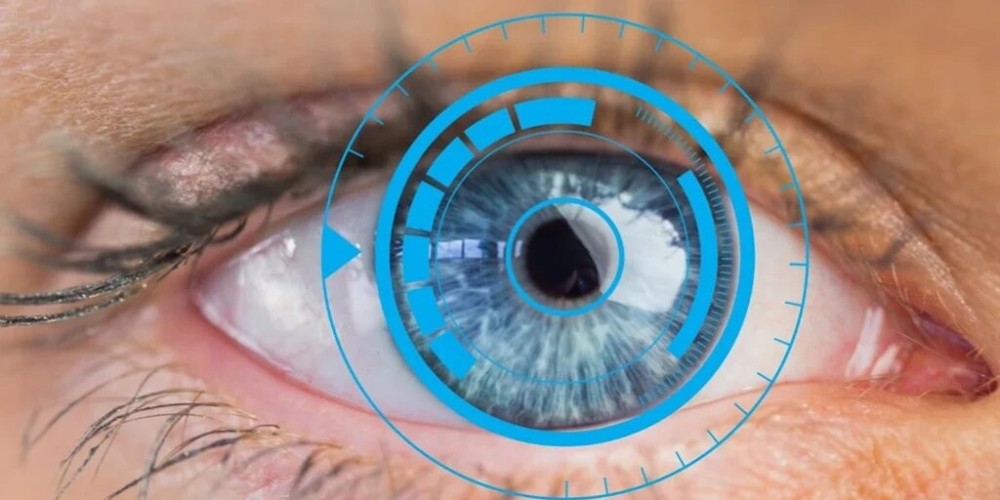
The human eye is a delicate organ, and the retina plays a crucial role in maintaining clear vision. The retina is a thin layer of tissue at the back of the eye that processes light and sends signals to the brain. Any damage or disease affecting the retina can lead to serious vision problems, some of which may be irreversible if not treated in time. Recognizing the signs that indicate the need for a retina specialist is essential for preserving eye health and preventing complications.
Ignoring retinal symptoms can result in progressive vision loss. Many people dismiss early signs, assuming they will go away on their own. However, conditions affecting the retina, such as diabetic retinopathy, macular degeneration, and retinal detachment, require immediate medical attention. Here are some crucial symptoms you should never ignore.

1. Sudden or Gradual Blurry Vision
Blurry vision can result from multiple eye conditions, but if it occurs suddenly or worsens over time, it could be a sign of a retinal issue. The retina specialist will examine your eye to check for retinal diseases like macular degeneration or diabetic retinopathy. If left untreated, these conditions can lead to permanent vision loss.
2. Floaters and Flashing Lights
Seeing floating specks or flashes of light in your vision can be normal, especially as you age. However, a sudden increase in floaters or flashes could indicate retinal detachment or a tear. If you experience this, it’s crucial to visit a retina specialist immediately to prevent further damage.

3. Dark Spots or Shadows in Vision
A dark spot or a curtain-like shadow in your peripheral vision can be a warning sign of retinal detachment. This is a medical emergency that requires immediate treatment. If untreated, it can cause permanent blindness. Seeking prompt care from a retina specialist can help restore vision.
4. Distorted or Wavy Vision
Straight lines appearing wavy or distorted may indicate macular degeneration, a leading cause of vision loss in older adults. This condition affects the central vision, making it difficult to read or recognize faces. Early diagnosis by a retina specialist can help slow its progression with advanced treatments.
5. Difficulty Adjusting to Low Light
If you find it hard to see in dim lighting or take longer to adjust from bright to dark environments, your retina may not be functioning properly. This can be a sign of retinal diseases such as retinitis pigmentosa or diabetic retinopathy. A comprehensive eye exam can detect underlying issues early.
6. Sudden Vision Loss in One Eye
Losing vision in one eye suddenly can be caused by a retinal vein occlusion, macular edema, or a retinal tear. Seeking immediate medical attention from a retina specialist can make a significant difference in preserving your eyesight. Early treatment can prevent permanent damage.
7. Persistent Eye Pain or Redness
While occasional eye discomfort is common, persistent pain or redness may indicate an underlying retinal problem. Conditions like uveitis or retinal inflammation require prompt diagnosis and care. Ignoring these symptoms can lead to further complications.
Can LASIK Treatment Affect Retina Health?
Many people considering LASIK treatment wonder if it can impact the retina. LASIK primarily reshapes the cornea and does not directly affect the retina. However, individuals with pre-existing retinal conditions should undergo a thorough retinal evaluation before undergoing LASIK treatment. A retina specialist can assess the health of your retina and determine whether LASIK is a safe option for you.
When to Seek Help from a Retina Specialist
If you experience any of the symptoms mentioned above, do not wait for them to worsen. Early intervention can make a significant difference in preserving your eyesight. A retina specialist has the expertise to diagnose and treat complex retinal disorders, using advanced diagnostic tools and treatment options.
Some common treatments for retinal conditions include:
- Laser therapy – Used to seal retinal tears or manage conditions like diabetic retinopathy.
- Injections – Medications are injected into the eye to treat macular degeneration and other retinal diseases.
- Vitrectomy – A surgical procedure to remove vitreous gel and repair retinal damage.
Conclusion:
Finding a trusted retina specialist is crucial for receiving high-quality care. A super specialty eye hospital like Maxi Vision Eye Hospital offers state-of-the-art diagnostic technology and advanced treatment options for retinal conditions. The expertise of skilled ophthalmologists ensures accurate diagnosis and personalized treatment plans tailored to each patient’s needs.
Whether you need retinal surgery, LASIK treatment, or routine eye check-ups, a super specialty eye hospital provides comprehensive eye care under one roof. Prioritizing your eye health today can safeguard your vision for the future.





