Introduction
In an era where sustainability and eco-friendly solutions are at the forefront of global discussions, rice husk suppliers play a crucial role in utilizing agricultural byproducts effectively. Rice husk, often considered waste, is now recognized as a valuable raw material with applications in industries such as energy, construction, and agriculture. The demand for reliable rice husk suppliers has grown significantly, as businesses seek cost-effective and sustainable alternatives to traditional materials. This article explores the role of rice husk suppliers in sustainable innovation, highlighting their impact on the environment and various industries.
Understanding Rice Husk: From Waste to Wealth
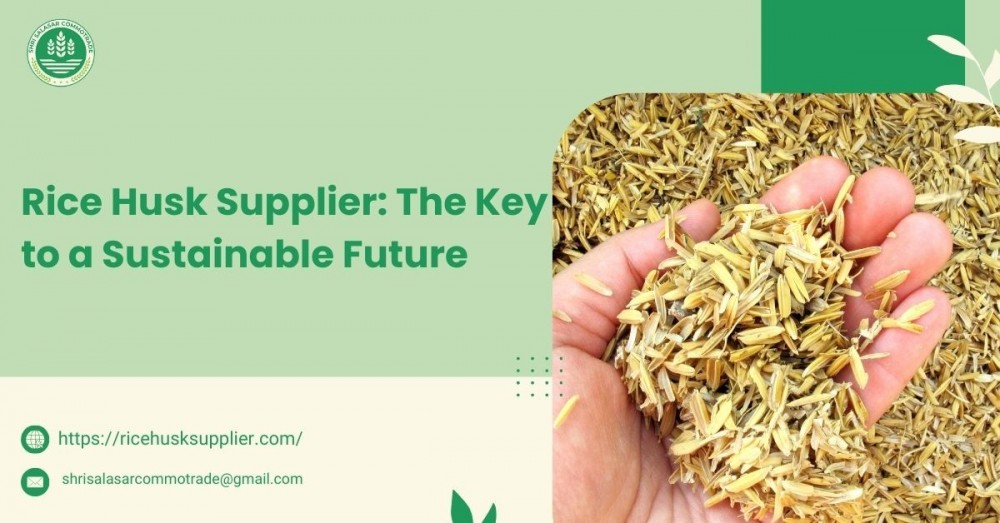
Rice husk is the outer protective covering of rice grains, removed during the milling process. Traditionally discarded or burned as waste, it has now become an essential material in multiple industries due to its unique properties:

- High silica content, making it suitable for industrial applications.
- Lightweight and biodegradable, supporting sustainable product development.

- Heat-resistant and insulating properties, useful in energy and construction sectors.
With the right supply chain and distribution system, rice husk is no longer a waste product but a valuable commodity that contributes to sustainable economic growth.
The Role of Rice Husk Suppliers in Eco-Friendly Industries
Rice husk suppliers bridge the gap between rice mills and industries that require this byproduct. Their main responsibilities include:
- Sourcing and Collection – Procuring rice husk from rice mills and ensuring its proper handling.
- Processing and Grading – Cleaning, drying, and categorizing husk based on industry needs.
- Storage and Transportation – Managing bulk storage and efficient logistics to deliver rice husks to manufacturers and factories.
- Ensuring Quality Standards – Meeting industry requirements for moisture content, impurity levels, and durability.
Innovative Uses of Rice Husk in Various Industries
Rice husk has found its place in numerous industries, making it a valuable alternative to non-renewable resources. Here’s how different sectors utilize it:
- Biomass Energy Production – Rice husk is a popular biofuel used in power plants and boilers, offering an eco-friendly energy source.
- Green Construction Materials – Rice husk ash (RHA) is used in cement, concrete, and insulation materials, enhancing durability and reducing environmental impact.
- Agriculture and Horticulture – Used as a soil conditioner, mulch, and compost material to improve soil quality.
- Animal Husbandry – Rice husk is widely used as bedding for poultry, cattle, and other livestock due to its moisture-absorbing capacity.
- Biodegradable Packaging – Some companies are now using rice husk to create eco-friendly packaging solutions to replace plastic.
- Silica Extraction for Industrial Use – The high silica content in rice husk makes it ideal for applications in ceramics, glass, and rubber industries.
The Business Potential of Rice Husk Supply
The growing focus on sustainability has led to increased demand for rice husks. Entrepreneurs and businesses looking to enter this industry can benefit from:
- Consistent Demand – Industries are actively seeking renewable resources to lower production costs and environmental impact.
- Low Investment, High Returns – Sourcing rice husk is cost-effective, and with the right supply chain, it can be highly profitable.
- Export Opportunities – Countries investing in green energy and sustainable construction materials import rice husk in bulk.
Future Trends in the Rice Husk Industry
The future of rice husk supply looks promising, with innovations leading to new applications. Some emerging trends include:
- Advanced Processing Technologies – Improved methods to extract silica, produce biofuels, and create high-performance insulation materials.
- Government Incentives for Sustainable Materials – Policies supporting the use of agricultural byproducts in industries.
- Expansion in Biodegradable Products – Growth in eco-friendly consumer goods made from rice husk.
- Increased Global Trade – More countries recognize the economic and environmental value of rice husk, leading to higher import-export activities.
How to Choose a Reliable Rice Husk Supplier
Businesses looking to source rice husk should consider the following factors when selecting a supplier:
- Quality Control Measures – Ensure the supplier meets industry standards for moisture content, impurity levels, and processing methods.
- Supply Chain Reliability – Look for a supplier with a stable source of rice husk and consistent delivery schedules.
- Sustainability Practices – Choose suppliers that follow eco-friendly collection and processing methods.
- Cost and Delivery Efficiency – Compare pricing and transportation options to get the best deal without compromising quality.
Conclusion
Rice husk, once seen as agricultural waste, has transformed into a valuable asset across multiple industries. Reliable rice husk suppliers are essential in supporting sustainability efforts, reducing industrial costs, and promoting green alternatives. As demand continues to grow, the rice husk supply industry presents vast opportunities for businesses and entrepreneurs looking to make a positive environmental impact while benefiting from an emerging market. With the right approach, rice husk suppliers can play a crucial role in building a sustainable future while contributing to global economic growth.