

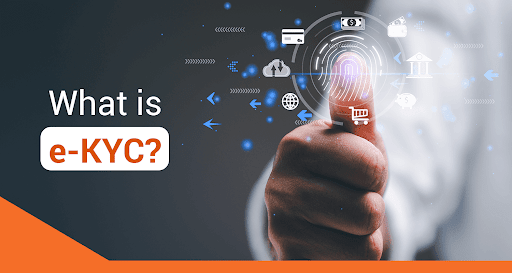
In the rapidly evolving world of finance, ease of access and user-centric solutions are the significant driving forces that make platforms and processes favorable to consumers. Among such developments is e-KYC, a term that has gained immense popularity for its simple and efficient approach towards financial information verification. In this article, we will explore what e-KYC stands for, discuss its relevance in the financial sector, and understand how it simplifies loan and financial service applications.
Understanding the Full Form of E-KYC
The term e-KYC stands for Electronic Know Your Customer. This process replaces the traditional KYC (Know Your Customer) methods that involve paperwork and physical verification with digital and automated means. The primary goal of e-KYC is to verify the identity and address of clients electronically to ensure a seamless onboarding and transaction process in various financial services.
The Importance of KYC: A Brief Overview
Before diving deeper into the specifics of e-KYC, it is critical to understand the KYC full form and its fundamental role in financial services.

What Is KYC?
KYC, or Know Your Customer, is a process adopted by financial institutions to authenticate the identity of their customers. This procedure is vital for preventing unlawful activities such as money laundering, identity theft, and fraud. It involves a series of checks that relate to confirming identification details, capturing customer data, and assessing customer risk.
Transitioning from KYC to E-KYC
While traditional KYC processes are thorough, they can be cumbersome and time-consuming for both consumers and financial institutions. Typically, traditional KYC requires several visits to the bank or financial entity, manual submission of documents, and longer wait times for approval. To mitigate these drawbacks, the financial industry has increasingly turned towards e-KYC to streamline operations and improve the customer experience.
The e KYC full form refers to Electronic Know Your Customer, a digital alternative to traditional KYC methods. E-KYC simplifies this process by utilizing digital applications and online resources, making customer onboarding fast, efficient, and secure. Moreover, e-KYC minimizes human errors and saves significant costs associated with manual verification processes.
E-KYC Features and Technologies
The success of e-KYC relies heavily on advancements in technology. Key features and technological components that facilitate e-KYC include:
Biometric Verification
Utilization of biometric data such as fingerprints and facial recognition ensures accurate and fast identification.

Digital Signatures
This feature enables the secure transmission and validation of documents electronically, thus reducing the need for physical paperwork.
Database Integration
Integration with government and financial databases allows real-time verification of identity information.
OCR Technology
Optical Character Recognition (OCR) technology efficiently extracts details from documents and converts them into machine-readable formats.
Blockchain
Using blockchain enables transparency and security in data verification and storage.
Simplifying Loan and Financial Service Applications with E-KYC
The application of e-KYC extends across various financial services, including loan application processes. Here’s how e-KYC helps in streamlining these processes:
Faster Onboarding
E-KYC significantly reduces the time required to onboard new customers. With robust digital mechanisms in place, financial institutions can verify identities in a matter of minutes, allowing customers to instantly access services without delays.
Enhanced Customer Experience
One of the most touted benefits of e-KYC is the improved customer experience. Consumers no longer need to visit physical branches or wait for lengthy periods to access financial products. The convenience of completing processes electronically enhances overall customer satisfaction.
Improved Security
By leveraging advanced security measures such as biometrics and encryption, e-KYC offers enhanced security for sensitive data. This secure approach reduces the risk of data breaches and unauthorized access.
Cost Efficiency
Traditional KYC processes can be labor-intensive and costly. E-KYC minimizes these costs by automating the verification processes, thus allowing financial institutions to allocate resources more effectively.
Reduced Fraud and Financial Crime
Real-time verification and sophisticated identity authentication methods reduce the risk of fraud and financial crimes. By ensuring customer identities are verified accurately, e-KYC enhances the trustworthiness of financial transactions.
Regulatory Compliance and E-KYC
Adherence to regulatory standards is crucial in the financial sector. E-KYC not only supports but enhances compliance by ensuring financial institutions meet statutory requirements for customer verification. It provides a digital trail and documentation, simplifying auditing and compliance checks.
Conclusion
The advancements in digital technology have heralded a new era in the financial sector, where processes are increasingly becoming streamlined and customer-centric. E-KYC, with its electronic capability, has revolutionized how financial institutions conduct identity verification. By embracing e-KYC, financial services can offer faster, more secure, and cost-effective solutions to consumers.
The shift from traditional KYC methods to e-KYC is more than just the adoption of technology; it is a paradigm shift towards better customer experiences, optimized operations, and a future where financial services are accessible to all. In an ever-connected world, e-KYC is not just a necessity but a valuable asset for fostering trust and enabling instant access to financial services.





