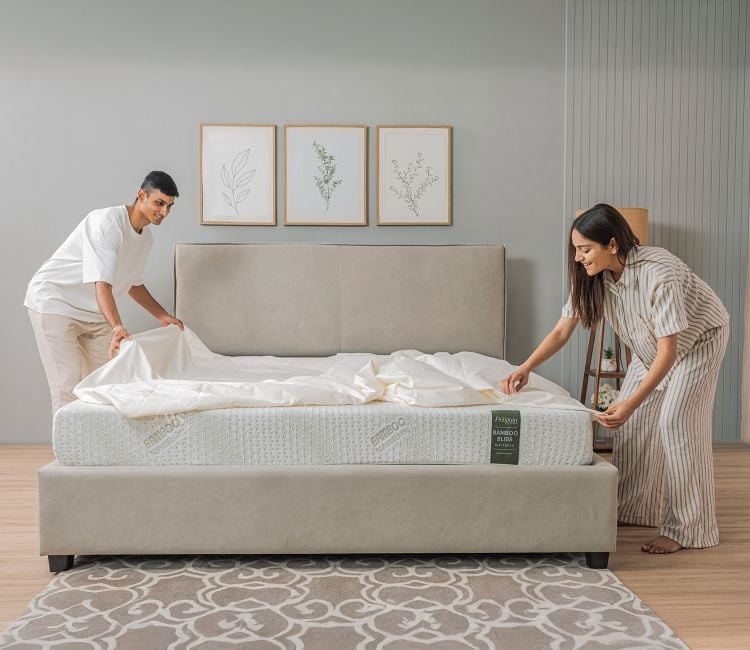
A good night’s sleep is essential for overall health and well-being. The quality of your sleep heavily depends on the condition of your mattress. Over time, even the best mattresses lose their ability to provide the support and comfort needed for restful sleep. Understanding the lifespan of a mattress and knowing when to replace it can make a significant difference in the quality of your sleep and your overall health. In this article, we will explore how long mattresses typically last, the signs that indicate it’s time to replace your bed mattress, and how to choose the best replacement for optimal sleep quality.

How Long Does a Mattress Last?
The lifespan of a mattress depends on various factors, including the type of material, usage, and maintenance. On average, most mattresses last between 7 to 10 years. However, certain types of mattresses, such as memory foam or latex, may last longer due to their durable materials and structure.

Types of Mattresses and Their Average Lifespan
- Innerspring Mattresses – Typically last 5 to 7 years due to coil wear and tear.
- Memory Foam Mattresses – Can last 7 to 10 years depending on foam density and quality.
- Latex Mattresses – One of the most durable options, lasting up to 15 years.
- Hybrid Mattresses – Combine innerspring and foam layers, with an average lifespan of 6 to 8 years.
Factors That Affect Mattress Lifespan
1. Material Quality
Higher-quality materials lead to longer-lasting mattresses. For instance, memory foam and latex mattresses tend to outlast innerspring options due to their ability to retain shape and support over time. If you’re shopping for a new mattress online, paying attention to material composition is crucial.
2. Usage and Weight
How often the mattress is used also plays a significant role. A mattress used daily will wear out faster than one used occasionally. Heavier body weight also leads to quicker sagging and indentation.
3. Maintenance and Care
Proper maintenance can extend the life of your mattress. Regularly rotating your mattress, using a mattress protector, and cleaning it according to manufacturer guidelines will help maintain its structure and support.
Signs That It’s Time to Replace Your Mattress
Knowing when to replace your mattress is essential for maintaining sleep quality. Even the most expensive mattress will eventually lose its comfort and support. Here are key signs that indicate it’s time to start looking for a new one:
1. Sagging and Indentations
Over time, the foam or coils in your mattress may break down, leading to noticeable sagging or indentations. If your mattress no longer feels supportive or comfortable, it’s a sign that the structure has deteriorated.

2. Waking Up with Pain
If you wake up with back, neck, or joint pain, your mattress may not be providing adequate support. A worn-out mattress can lead to poor spinal alignment, causing discomfort and pain.
3. Increased Allergies or Respiratory Issues
Dust mites and allergens accumulate in mattresses over time, which can trigger allergies and respiratory issues. If you notice increased sneezing, itching, or difficulty breathing while in bed, it may be time for a replacement.
4. Noisy or Squeaky Springs
If your mattress makes creaking or squeaking sounds when you move, the internal springs may have worn out, reducing the overall support and comfort.
5. Poor Sleep Quality
Tossing and turning or waking up frequently during the night can be a sign that your mattress no longer offers the comfort or support needed for restful sleep.

Benefits of Replacing Your Mattress
✅ Better Sleep Quality
A new mattress that suits your sleep style and body type can significantly improve your sleep quality. Proper spinal alignment and pressure relief reduce tossing and turning, helping you wake up feeling refreshed.
✅ Enhanced Comfort and Support
Mattresses lose their supportive properties over time. Replacing your mattress ensures that your body receives proper support, reducing aches and pains.
✅ Reduced Allergens and Improved Hygiene
New mattresses are free from the buildup of dust mites, mold, and allergens, leading to a cleaner and healthier sleep environment.
✅ Improved Mental and Physical Health
Quality sleep contributes to better mental clarity, mood stability, and overall physical health. A comfortable and supportive mattress promotes deeper sleep cycles.

Choosing the Right Replacement Mattress
When it's time to replace your mattress, choosing the right one is crucial for ensuring long-term comfort and support. Here are essential factors to consider:
1. Material Type
- Memory Foam – Ideal for pressure relief and motion isolation.
- Latex – Eco-friendly, durable, and resistant to allergens.
- Innerspring – Provides firm support and increased breathability.
- Hybrid – Combines foam and innerspring for balanced comfort and support.
2. Firmness Level
The firmness level of a mattress depends on your sleep position and personal preference:
- Soft – Best for side sleepers who need cushioning around pressure points.
- Medium-Firm – Ideal for back sleepers, offering a balance of support and comfort.
- Firm – Recommended for stomach sleepers or those needing extra spinal support.
3. Size
Choosing the right size is crucial for comfort:
- Single Bed Mattress – Ideal for children, teens, and single adults with limited space.
- Double Bed Mattress – Suitable for couples or single adults who prefer more space.
- King Size Mattress – Best for couples who need maximum space and comfort.
4. Price and Budget
While the mattress price varies depending on the brand, material, and size, investing in a high-quality mattress can save you money in the long run by lasting longer and providing better sleep quality. When shopping for a mattress online, compare different options to find the best value for your budget.
When to Replace a Single, Double, or King Size Mattress
In the middle of your decision-making process, you might wonder when it's time to replace specific types of mattresses:
- A single bed mattress should be replaced every 6 to 8 years, especially if used by growing children or teenagers.
- A double bed mattress might need replacement every 7 to 10 years, depending on how often it's used and the weight it supports.
- A king size mattress often lasts around 8 to 12 years, as larger mattresses tend to have better structural support.

Where to Buy Your Next Mattress
Purchasing a mattress online offers convenience and a wide range of choices. Many online retailers provide detailed product descriptions, customer reviews, and trial periods, helping you make an informed decision. Additionally, online purchases often come with better discounts and promotions, making it easier to find a quality mattress at a reasonable price.
For example, at Wooden Street, you can explore a variety of options with off up to 55% on select mattresses. Whether you're looking for a memory foam mattress, a latex mattress, or a hybrid option, you'll find competitive prices and high-quality products that suit your sleep needs.
Conclusion
Replacing your mattress at the right time is essential for maintaining sleep quality and overall health. Pay attention to signs of wear and tear, sagging, and discomfort to know when it’s time to invest in a new mattress. Choosing the right replacement — whether it's a single bed mattress, double bed mattress, or king size mattress — will improve your sleep posture, reduce pain, and enhance your overall well-being. When shopping for a new bed mattress, consider factors like material, firmness, size, and budget to find the perfect fit for your sleep needs. Explore options online to find the best mattress price and take advantage of ongoing discounts for maximum value.