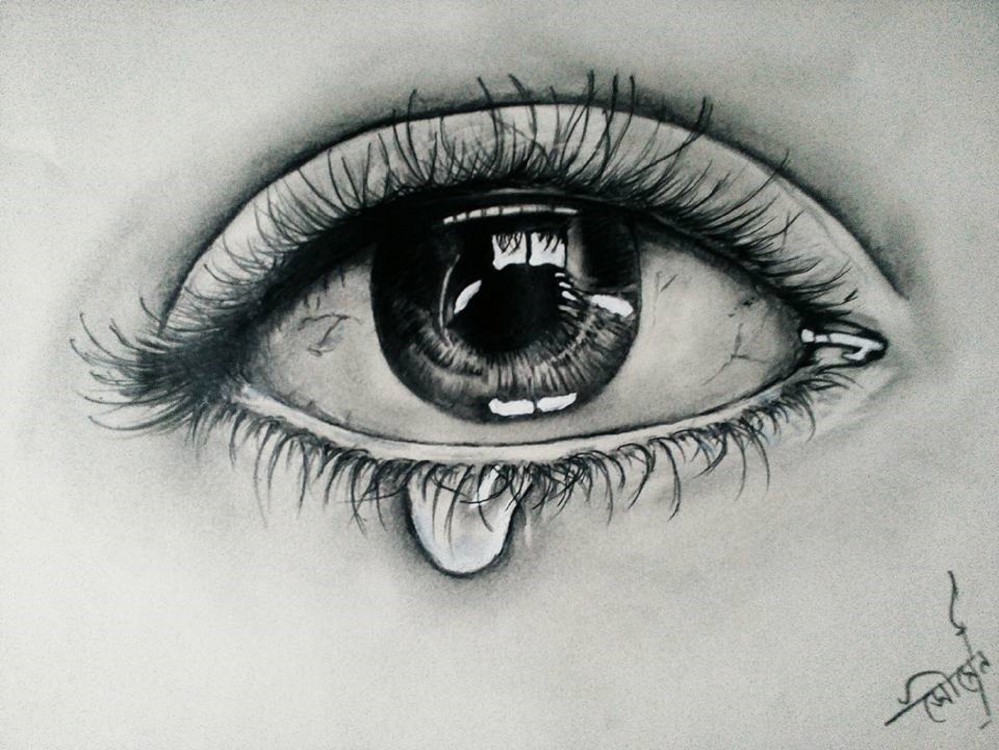
Portraiture has long been a cornerstone of artistic expression, capturing the essence, personality, and emotions of its subjects. From the grand oil paintings of historical figures to contemporary digital renderings, portrait artists play a crucial role in preserving moments and telling stories through their work. In a world increasingly dominated by fleeting digital imagery, the craft of portrait painting remains as relevant and revered as ever.
This article delves into the world of portrait artists, exploring their techniques, challenges, and the evolving landscape of portraiture in modern times. Whether you’re an aspiring portrait artist, an art enthusiast, or someone seeking to commission a portrait, understanding the nuances of this art form can deepen your appreciation for the skill and creativity involved.
The Evolution of Portrait Art
The history of portraiture dates back to ancient civilizations, where rulers and aristocrats commissioned artists to create lasting images of their power and status. Ancient Egyptian tomb paintings, Greco-Roman sculptures, and medieval religious iconography all served as early forms of portraiture.

During the Renaissance, portraiture flourished as artists like Leonardo da Vinci and Rembrandt brought realism and emotional depth to their subjects. The advent of photography in the 19th century transformed the landscape, making portraits more accessible to the masses while pushing painters to innovate further. Today, portrait artists work across various media, from traditional oil and charcoal to digital painting, continuing the legacy of this enduring art form.
The Skills and Techniques of a Portrait Artist
Becoming a skilled portrait artist requires a combination of technical prowess, observational skills, and artistic intuition. While styles and approaches vary, there are fundamental elements that define exceptional portrait work:
1. Mastery of Anatomy and Proportions
Understanding human anatomy is essential for creating lifelike and expressive portraits. Portrait artists study facial structures, bone anatomy, and muscle movements to accurately capture the nuances of their subjects.
2. The Use of Light and Shadow (Chiaroscuro)
Light plays a crucial role in shaping form and adding depth to a portrait. The chiaroscuro technique, made famous by artists like Caravaggio, utilizes strong contrasts between light and shadow to create dramatic and realistic effects.
3. Expressive Brushwork and Texture
Each portrait artist develops a unique brushwork style, whether through smooth, blended transitions or expressive, textured strokes. The choice of medium—oil, watercolor, pencil, or digital—also impacts the overall feel of the artwork.

4. Capturing Emotion and Personality
A successful portrait goes beyond physical likeness; it conveys the subject’s emotions, thoughts, and essence. This requires keen observational skills and an ability to connect with the subject on a deeper level.
5. The Importance of Composition and Background
The background and composition of a portrait influence the overall mood and focus. Artists often use symbolic elements, color theory, and strategic positioning to enhance the storytelling aspect of their portraits.
Challenges Faced by Portrait Artists
While portrait artists create compelling works of art, they also encounter unique challenges in their craft. Some of these include:
1. Achieving a True Likeness
Capturing a subject’s likeness can be daunting, especially when working from memory or reference photos. Even minor inaccuracies in proportion or expression can alter the entire perception of the artwork.
2. Managing Client Expectations
Commissioned portraits come with the challenge of aligning the artist’s vision with the client’s expectations. Effective communication and preliminary sketches help bridge this gap.
3. Keeping Up with Changing Trends
As digital tools and AI-generated art gain popularity, traditional portrait artists must adapt while maintaining their artistic integrity. Balancing classical techniques with modern advancements is key to staying relevant.
4. Establishing a Unique Artistic Identity
With countless artists competing for attention, developing a distinctive style is crucial. Many artists achieve recognition by specializing in niche styles, such as hyperrealism, impressionism, or surreal portraiture.
The Future of Portrait Art: Trends and Innovations
Portrait art is continuously evolving, influenced by technological advancements, cultural shifts, and changing artistic preferences. Some emerging trends include:
1. Digital and AI-Assisted Portraiture
Digital painting tools like Procreate and Adobe Photoshop have revolutionized portrait art, allowing for greater flexibility and innovation. Additionally, AI-powered tools are being used to enhance and generate portraits, raising discussions about the intersection of technology and human creativity.
2. Hyperrealism and Photorealism
While classical portraiture emphasized stylization, many contemporary artists strive for hyperrealism, creating works indistinguishable from high-resolution photographs.
3. Abstract and Expressive Portraits
On the other end of the spectrum, many artists are embracing abstraction, distorting features and using bold colors to evoke emotions rather than replicate reality.
4. The Rise of Portrait NFTs and Digital Art Markets
The growing popularity of NFTs (non-fungible tokens) has opened new avenues for portrait artists to monetize their work. Digital portraits are now being bought and sold in blockchain marketplaces, offering artists unprecedented exposure.
How to Commission a Portrait Artist
For those looking to commission a portrait, finding the right artist requires careful consideration. Here are some tips to guide you:
1. Define Your Vision
Decide on the style, medium, and size of the portrait. Providing reference images or a detailed description can help the artist understand your expectations.
2. Research and Select an Artist
Look for artists whose style resonates with you. Review their portfolio, read client testimonials, and ensure their expertise aligns with your vision.
3. Discuss Budget and Timeline
Portrait commissions vary in price based on complexity, medium, and artist experience. Clarify pricing, payment terms, and delivery timelines before proceeding.
4. Stay Involved in the Process
Many artists offer progress updates and drafts for feedback. Constructive communication ensures satisfaction with the final piece.
Conclusion: The Lasting Impact of Portrait Art
Portrait artists continue to capture the essence of humanity, bridging history and contemporary culture through their work. Whether through classical techniques or digital innovation, the power of a well-crafted portrait endures, offering viewers a glimpse into the soul of its subject.
For aspiring artists, mastering portraiture is a rewarding journey that requires dedication and continuous learning. For art enthusiasts and collectors, supporting portrait artists—whether through commissions or gallery purchases—ensures the preservation and evolution of this timeless art form.
As the art world embraces both tradition and innovation, one thing remains clear: portrait artists will always hold a special place in society, immortalizing faces, emotions, and stories for generations to come.