

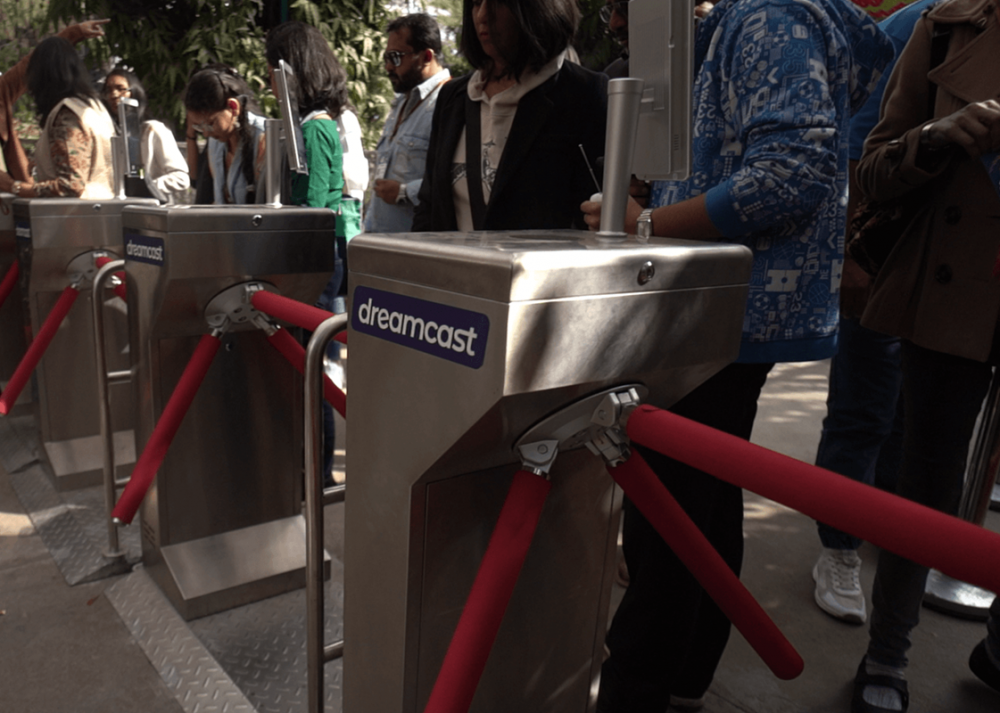
Event crowd management plays a crucial role in ensuring the smooth flow of attendees while maintaining security and efficiency. One of the most critical aspects of crowd management in events is the check-in process, as it directly impacts guest experience, wait times, and overall event success.
Two primary check-in solutions exist—manual check-ins and turnstiles for events. While manual check-ins rely on staff and traditional methods like guest lists, QR codes, and ID verification, turnstiles offer an automated, technology-driven approach for seamless entry.
This article compares both event check-in solutions, analyzing their advantages, limitations, and ideal use cases to help you determine the best fit for your event.

Meaning Of Event Crowd Management
Before we go through the details, analysis, and comparisons, first let's get the basics covered:

What Is Event Crowd Management?
Event crowd management refers to the strategic planning and execution of measures that control the movement of attendees at an event. A well-designed crowd management plan ensures:
- Smooth entry and exit without congestion.
- Efficient queue management.
- Safety compliance and access control.
- Prevention of unauthorized entry and overcrowding.
A crucial element of any event crowd management plan is the check-in process, as it dictates the efficiency of entry flow. The method you choose—manual check-ins or turnstiles—can significantly impact the attendee experience and operational efficiency.
What Exactly Are Manual Check-Ins?
Talking about the comparison will come eventually, however knowing about what manual check-ins are and what they comprise is just as important:
How Manual Check-Ins Work
Manual check-ins involve event staff manually verifying guest credentials using printed guest lists, mobile scanning apps, or ID checks. This method is widely used in corporate events, networking meetings, and smaller gatherings where a personal touch might be valued or still be in use.
|
Pros |
Cons |
|
Staff can engage with attendees, making the check-in process feel more welcoming. |
Manual verification takes longer, leading to long queues and potential crowd congestion. |
|
No need for expensive hardware—just a staff team, a guest list, and a verification process. |
More personnel are required to manage large crowds efficiently, increasing operational costs. |
|
Attendee details can be updated in real-time, accommodating last-minute registrations. |
Missed check-ins, duplicate entries, and misplaced guest records are common issues. |
Turnstiles For Events: A Modern Solution
Now, let‘s understand the modern solution and how it is establishing itself as the preferred choice and solution for event crowd management:
How Turnstiles Work
Turnstiles are automated entry points that grant access through ticket scanning, RFID badges, or facial recognition. These systems integrate seamlessly with contactless event check-in solutions, ensuring fast, secure, and efficient crowd management at events.
|
Pros |
Cons |
|
Automated validation speeds up entry, significantly reducing queue times. |
The installation of turnstile systems involves hardware and software investment. |
|
Prevents unauthorized access by ensuring only valid ticket holders enter. |
Making last-minute attendee modifications can be challenging without manual oversight. |
|
Event organizers can monitor entry data and attendee movement in real-time. |
System failures or connectivity issues may cause temporary disruptions. |
|
A smaller number of personnel are required to manage check-ins compared to manual processes. |
All About Contactless Event Check-In
With the advent of digitalization, contactless event check-in solutions have gained immense attention. These solutions integrate with both manual and turnstile check-ins, allowing for easy entry while enhancing security and efficiency.
Benefits Of Contactless Event Check-In
- Touch-free experience: Reduces physical contact, enhancing safety and hygiene.
- Speed and convenience: QR codes, NFC technology, and mobile apps streamline check-ins.
- Scalability: Easily adaptable to events of any size, from small meetups to large-scale conferences.
- Integration with turnstiles: Works in conjunction with automated systems for a frictionless experience.
By incorporating contactless solutions into your event crowd management plan, you can maximize efficiency while minimizing entry delays.
Choosing The Right Option For An Event
Factors to Consider
When deciding between turnstiles and manual check-ins, consider the following factors:
1. Event Size
- Small to mid-sized events benefit from manual check-ins due to lower guest volume.
- Large-scale events require turnstiles to manage high attendee numbers efficiently.
2. Budget
- Manual check-ins are cost-effective upfront but require more staff.
- Turnstiles have a higher initial investment but save on long-term staffing costs.
3. Security Needs
- Turnstiles provide enhanced security, preventing unauthorized access.
- Manual check-ins rely on staff vigilance, which may be less foolproof.
4. Attendee Experience
- Manual check-ins offer personalized interactions, ideal for networking events.
- Turnstiles create a fast, seamless experience, reducing long wait times.
Best Practices For Implementation
To optimize your event check-in solutions, consider the following:
- Hybrid Approach: Combine manual check-ins with turnstiles to create a flexible entry system.
- Pre-Event Testing: Run system checks to identify potential issues before the event.
- Data Utilization: Use real-time tracking to analyze attendee flow and improve future events.
Conclusion
Both manual check-ins and turnstiles play significant roles in event crowd management, each with unique strengths and limitations. While manual check-ins offer flexibility and personal engagement, turnstiles ensure security and efficiency for large-scale events. Integrating contactless event check-in solutions further enhances the entry process, making it faster and more secure.
The best choice depends on your event size, budget, security requirements, and desired attendee experience. By implementing a well-planned crowd management strategy, you can create a seamless check-in process that enhances guest satisfaction and event success.
Would you opt for traditional manual check-ins, high-tech turnstiles, or a hybrid approach for your next event? Let us know your thoughts!





