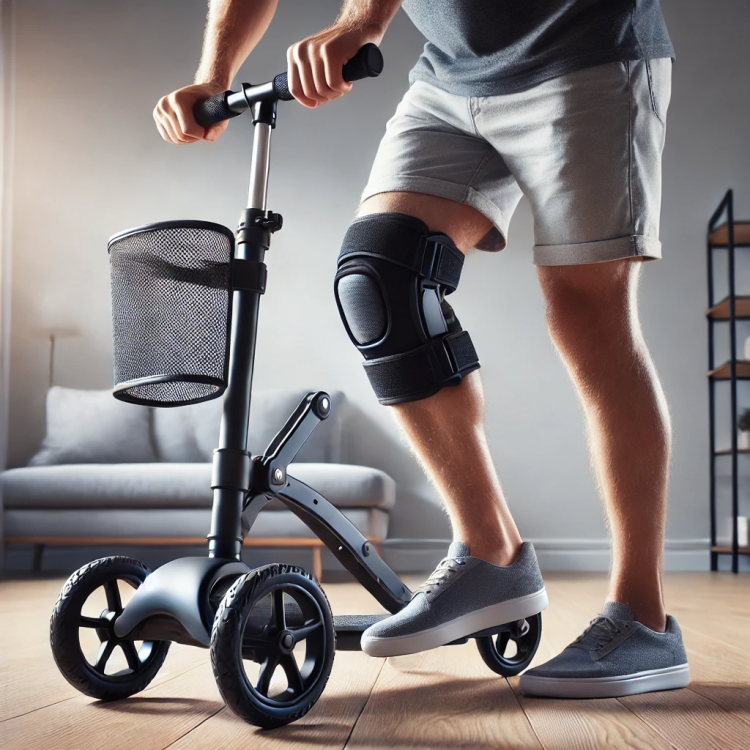
A knee scooter, also known as a knee walker, is an excellent mobility aid for adults recovering from foot, ankle, or lower leg surgery. It provides support and comfort while allowing patients to maintain some level of independence during the healing process. However, one common question that arises is, "How long can adults use a knee scooter after surgery?" The answer depends on several factors, including the type of surgery, the individual’s recovery progress, and the doctor’s recommendations. In this article, we will explore these factors in detail, helping you understand the typical duration of knee scooter use after surgery and how to make the most of it.
What Is a Knee Scooter?
Before diving into the recovery timeline, it’s important to understand what a knee scooter is and why it’s beneficial for post-surgery recovery. A knee scooter is a device that serves as a mobility aid, allowing a person to rest their injured knee or leg on a padded platform while they propel themselves forward using their uninjured leg. Knee scooters for adults are designed to provide a more comfortable and efficient alternative to crutches, especially for those recovering from foot or lower-leg injuries or surgeries.
The benefits of using a knee scooter over crutches include:

-
Reduced strain on the upper body: Unlike crutches, which require upper body strength, knee scooters allow patients to rest their weight on the scooter, reducing the strain on their arms, shoulders, and back.
-
Improved stability and balance: Knee scooters offer more stability and balance than crutches, which can be difficult to manage for extended periods.
-
Greater mobility: Knee scooters make it easier to move around, as they require less energy and effort compared to crutches.
Knee scooters are often prescribed for surgeries or injuries that involve the foot, ankle, or lower leg. These can include surgeries like Achilles tendon repair, bunion surgery, foot fractures, or ankle sprains.
Factors That Affect the Duration of Knee Scooter Use
Several factors influence how long adults need to use a knee scooter after surgery. These factors primarily include the type of surgery, the healing process, the patient’s age and physical condition, and the surgeon's recommendations. Let’s examine each of these in more detail:

1. Type of Surgery
The type of surgery is perhaps the most important factor when determining how long a knee scooter will be needed. Different surgeries involve different recovery times, and each procedure has a unique healing timeline. For example:
-
Foot and Ankle Surgery: After surgeries like a bunionectomy, Achilles tendon repair, or foot fracture, patients will likely need a knee scooter for 4 to 8 weeks. These surgeries often require the patient to avoid putting weight on the affected foot to promote proper healing and prevent complications. Depending on the severity of the surgery, patients may be instructed to use the knee scooter for a few weeks and gradually transition to walking with a boot or brace.
-
Lower Leg Surgery: Surgeries involving the lower leg, such as tibia fractures, may require more extended periods of non-weight-bearing activity. In such cases, knee scooters may be used for 6 to 12 weeks. These surgeries can be more complex, so the healing time might be longer compared to simpler foot or ankle surgeries.
-
Knee Surgery (if partial or non-invasive): If the knee surgery does not require complete rest of the affected leg, such as partial knee replacement or arthroscopic surgery, knee scooters may be needed only for a few weeks during the initial recovery period. However, the exact duration can vary depending on the surgeon’s advice.
The general rule is that the more invasive the surgery, the longer a knee scooter will be necessary.
2. Recovery and Healing Time
Healing time plays a significant role in determining how long a knee scooter is needed. Every patient heals differently, and some may require more time than others to recover from surgery. Several factors can influence recovery time, including:
-
Age: Older adults may take longer to heal from surgery than younger patients due to slower tissue regeneration and a weaker immune system.
-
General Health: A person’s overall health can also affect recovery time. Those with chronic conditions such as diabetes, poor circulation, or obesity may face longer recovery periods.
-
Complications: If there are complications after surgery, such as infections or issues with the surgical site, the healing time could be extended, and the use of a knee scooter might last longer.
In general, patients who heal without complications can expect to use a knee scooter for 4 to 8 weeks. However, if healing is slower or there are complications, this time may be extended.
3. Surgeon’s Recommendations
The surgeon's advice is one of the most important factors in determining how long you will need to use a knee scooter. Surgeons typically provide a recovery plan that includes specific guidelines on when and how you can begin bearing weight on your affected leg. This plan will be based on the type of surgery and the expected healing timeline.
For example, after surgery, patients may be instructed to avoid putting any weight on the affected leg for several weeks. As healing progresses, the surgeon might allow partial weight-bearing, which would mean using the knee scooter for a shorter period. As weight-bearing becomes fully permitted, the knee scooter may no longer be necessary.
It’s essential to follow the surgeon’s recommendations and attend follow-up appointments to ensure proper recovery. Returning to normal activities too soon can cause setbacks and prolong the recovery process.
4. Age and Physical Condition
Younger individuals or those in excellent physical condition may recover more quickly and may be able to transition off the knee scooter earlier. In contrast, older adults or individuals with pre-existing health conditions may require more time to heal, necessitating a longer period of using the knee scooter.
Additionally, individuals who regularly engage in physical activity or who maintain good muscle tone may find that their recovery is faster than individuals who are less active. However, it’s important to note that everyone’s recovery is unique, and the use of a knee scooter should not be rushed.
When Can You Transition Off the Knee Scooter?
As a general guideline, many people can transition off the knee scooter within 4 to 8 weeks, depending on their surgery. The transition period can vary based on the following factors:
-
Weight-bearing tolerance: As the healing process progresses, your doctor will gradually allow you to bear more weight on the affected leg. Initially, you may be restricted to using the knee scooter for mobility, but over time, you may be able to use crutches or a walking boot as your doctor clears you for more weight-bearing activity.
-
Physical therapy: After surgery, physical therapy can help speed up recovery and improve mobility. As you regain strength in your leg and foot, you may be able to reduce reliance on the knee scooter.
-
Surgeon’s approval: Your surgeon will monitor your recovery and provide guidance on when it is safe to stop using the knee scooter. They will consider factors like swelling, pain, and mobility before allowing you to transition.
Tips for Using a Knee Scooter Safely
While using a knee scooter, it’s essential to follow these tips to ensure a safe and effective recovery:
-
Use the scooter on flat, even surfaces: This helps prevent tipping and falls, especially if you’re still getting used to the scooter.
-
Wear proper footwear: Make sure you wear comfortable, supportive shoes on your non-injured foot to maintain balance and reduce strain.
-
Take breaks: It’s important to rest periodically to avoid overexertion and to give your injured leg time to heal.
-
Follow your doctor’s advice: Always adhere to the timeline and recommendations provided by your surgeon for the best recovery outcome.
Conclusion
The duration of knee scooter use after surgery varies based on multiple factors such as the type of surgery, the patient’s healing progress, and the surgeon’s recommendations. On average, adults may need a knee scooter for 4 to 8 weeks following foot, ankle, or lower leg surgery. However, it’s crucial to follow the specific guidance provided by your healthcare provider to ensure a safe and speedy recovery.
Knee scooters provide significant benefits in terms of mobility, comfort, and stability during recovery. By adhering to your recovery plan, staying patient, and taking care of your body, you can ensure that your recovery is as smooth and efficient as possible.