

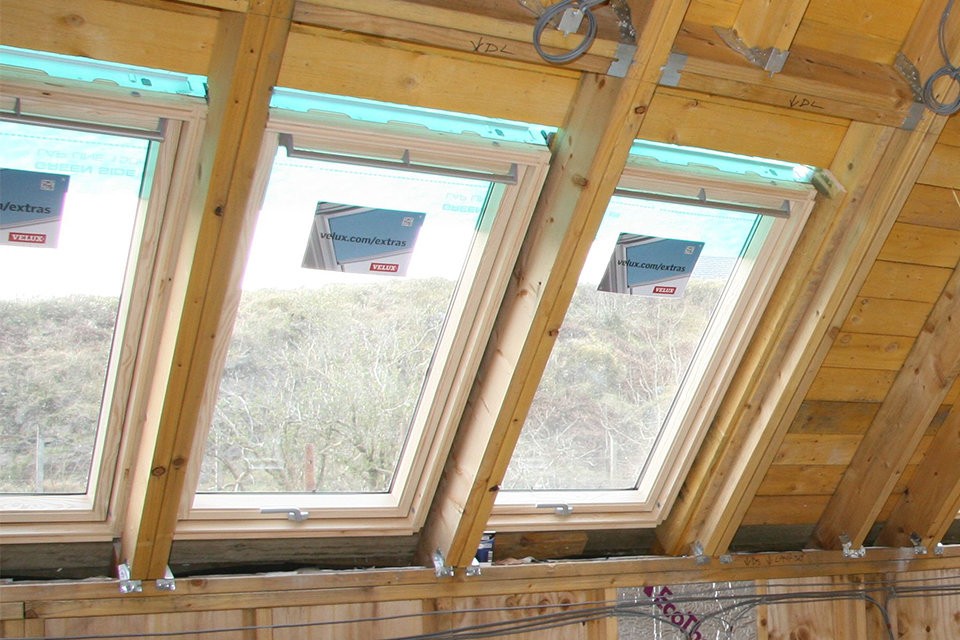
Natural sunlight can completely transform a living space, and one of the most efficient ways to introduce more of it is through a well-designed skylight. However, the secret to maximizing the benefits of a skylight doesn’t lie only in the glass. The quality and technique of the skylight framing play a critical role in how much light filters into the room, how energy-efficient the home remains, and how long the installation lasts—especially in climates like Ontario, Canada, where seasonal shifts test the durability of home structures.
Skylight framing refers to the structural framework that holds the skylight in place. It's not just about making sure the window doesn't fall off the roof; it's about optimizing its position, angle, and support to harness as much natural light as possible, without sacrificing energy efficiency or weather resistance.
This guide explores the most practical ways for homeowners and contractors to upgrade their skylight framing to improve sunlight distribution, particularly in flat roof setups, which are common in many Ontario homes.

Understanding the Role of Proper Skylight Framing
Before discussing improvements, it's essential to understand why framing matters. The frame holds the skylight and connects it to the roof structure. If the framing isn’t tight and properly angled, sunlight won’t be efficiently captured. Worse, poor framing can lead to air leaks, water damage, or even roof deterioration.
For regions like Ontario, where snow loads and freezing temperatures add strain to roofing systems, having solid framing is not just about light—it's about long-term performance and structural safety.
Materials That Make a Difference
Framing materials impact the longevity and effectiveness of a skylight. Traditional wooden frames are still used for their ease of customization, but they can warp or rot over time if not properly sealed. In 2025, many Ontario roofing professionals recommend using engineered wood or metal framing systems, particularly aluminum. These are lightweight, highly durable, and better suited for the freeze-thaw cycles typical in the province.
Metal also allows for slimmer framing designs, which increases the glass-to-frame ratio. This allows for more sunlight without compromising strength.
Enhancing Framing With Light Wells and Angling
One of the best methods for improving sunlight through a skylight is by integrating a light well into the framing system. A light well is essentially a shaft that funnels light from the skylight into the room. This can be particularly effective for flat roofs, where the skylight doesn't sit on a pitched angle naturally guiding light downward.

Using reflective materials inside the light well, such as polished aluminum or even white drywall, increases light penetration. The angle of the light well can also be designed to capture maximum light throughout the day based on the home’s orientation.
Common Mistakes in Ontario Skylight Framing
Ontario homeowners often deal with poorly installed skylights due to weather challenges or general lack of awareness. Common issues include using standard framing instead of custom framing that matches the slope and thickness of the roof, neglecting to insulate the framing, or failing to flash properly around the skylight.
Improving these elements—by ensuring tight insulation, selecting the correct flashing method for the roof type, and designing a slope for water runoff—helps protect the roof and boosts the amount of light that enters the space.
Upgrading During Flat Roof Repair Projects
Many skylights in Ontario are installed on flat or low-slope roofs, which are particularly prone to drainage issues if not handled correctly. When undergoing a flat roof repair, it presents a perfect opportunity to assess and improve the skylight framing.
Roofing professionals can integrate better drainage paths, such as tapered insulation, around the skylight frame to prevent water pooling. They can also replace old or outdated frames with newer materials and adjust the angle of the skylight to better align with seasonal sunlight paths.
Passive Solar Design Considerations
Homeowners looking to reduce energy costs should think beyond just sunlight for aesthetic purposes. Skylights framed correctly can become part of a passive solar design system. By positioning the skylight and angling the framing based on sun trajectory maps—particularly valuable during Ontario’s long winters—it’s possible to gain natural heat during the day, reducing dependency on heating systems.
Glazing technologies introduced in 2025 have further enhanced this. High-performance glazing combined with UV-filtering layers within the skylight helps protect interiors from fading while retaining warmth.
Hiring Skilled Roofing Professionals in Ontario
Not all contractors understand the nuances of skylight framing, particularly in climates like Canada’s. It’s important to work with a roofing company experienced in local weather conditions and flat roof structures. Reputable Ontario companies will also be familiar with building code requirements that affect skylight installation and framing design.
Look for professionals who offer comprehensive consultations that include a solar exposure analysis and structural inspection. These assessments help create a skylight framing plan that not only meets safety standards but also enhances natural lighting year-round.
One such trusted service provider in Ontario offering expert skylight framing is Depatie Roof. They understand how flat roofing and climate interact with sunlight exposure and provide customized solutions that align with your home's structure.
Budgeting and Return on Investment
Improving skylight framing does involve upfront costs, especially when upgrading during major renovations or roofing projects. However, Ontario homeowners can expect to see long-term savings through lower energy bills and potentially even increased property value. Skylights with optimized framing are considered modern and sustainable features, making homes more attractive in today’s real estate market.
In 2025, some municipalities in Ontario are also offering rebates for energy-efficient home upgrades, which may include skylight improvements—making it even more economical to invest in better framing now.
Final Tips to Maximize Sunlight
To wrap up, a few quick tips can help you get the most out of your improved skylight framing:
-
Use low-profile or curb-mounted designs for flat roofs to reduce leak risks.
-
Opt for larger panes with minimal framing to increase sunlight.
-
Combine skylight framing upgrades with interior light diffusers to evenly distribute light through the space.
-
Always check for condensation issues—proper vapor barriers and insulation can resolve these.
-
Schedule bi-annual inspections, especially before and after winter, to check for any wear or frame movement.
Improving your skylight framing isn’t just a construction decision—it’s a quality-of-life investment. With better lighting, enhanced warmth, and structural safety, your Ontario home can truly shine through all seasons.





