

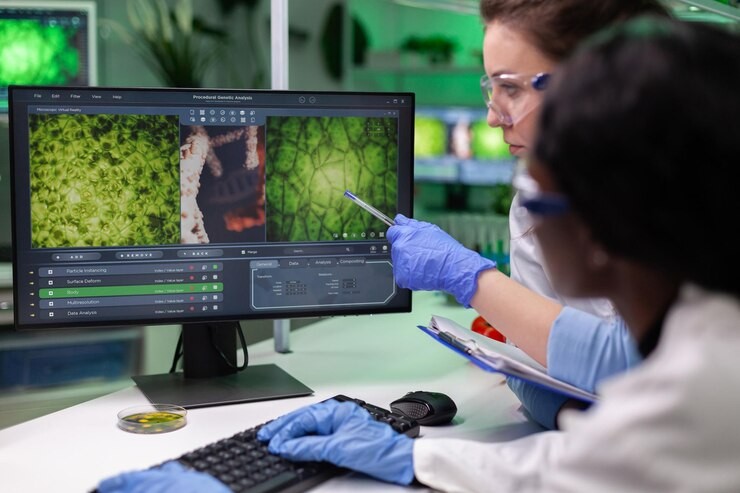
Justice thrives on evidence—clear, credible, and convincing. In today’s digital world, video recordings often provide some of the strongest forms of proof. But raw footage is not always enough. That’s why Forensic Video Analysis Software has become a key asset for the justice system. From pre-trial investigations to courtroom presentations, this technology enhances how truth is discovered and delivered.
From Surveillance to Courtroom: The Journey of a Video Clip
A simple surveillance video can travel a long road before making it into court. Often, the original clip is unclear, shaky, or low-resolution. These flaws can raise questions about what is actually happening in the footage. Video forensic analysis addresses these challenges by improving clarity, reducing distortion, and providing analytical insights that support legal arguments.
When video is properly enhanced and authenticated, it transforms from a vague clip into a compelling narrative. Jurors can visually experience a moment as if they were there, making it easier to understand timelines, actions, and intent.

Why the Courts Trust Forensic Video Analysis
The court system operates on a strict standard: evidence must be reliable, relevant, and legally obtained. Forensic Video Analysis Software ensures all three. It allows forensic experts to document every step taken during video enhancement. These detailed logs are often submitted with the evidence, creating a transparent trail of the analysis process.
Authenticity is another critical factor. Video forensic tools can detect digital tampering, cut sequences, or changes in metadata. This ensures that the footage shown in court is the original or, if enhanced, is still a faithful representation of the truth. Such verifiable integrity builds trust and supports the judicial process.
Supporting Both Prosecution and Defense
Video forensic analysis isn’t just for law enforcement or prosecutors. Defense attorneys also use it to verify footage, challenge its accuracy, or even prove a client’s innocence. In fact, some of the most well-known exonerations in recent years have involved re-analysis of surveillance footage using advanced forensic tools.
This balanced application reinforces the idea that Forensic Video Analysis Software is not biased toward any party—it simply reveals the facts. When used properly, it empowers all sides of the legal system to work toward the truth.
Improving the Clarity of Legal Proceedings
One of the lesser-known benefits of this technology is how it enhances communication in the courtroom. Complex crime scenes or events captured on video can be confusing for jurors. Forensic Video Analysis Software can reconstruct these moments with visual clarity. Frame-by-frame playback, zoomed-in views, or 3D scene reconstructions allow everyone in the courtroom to follow what happened.

Attorneys can present these visual aids during trials, helping explain timelines or specific details. Jurors are more likely to understand and remember information when it’s visual, which can significantly influence verdicts.
Saving Time and Reducing Backlogs
The justice system, particularly in busy jurisdictions, often faces massive caseloads. Cases involving digital evidence can slow down if video is unclear or difficult to interpret. By applying video forensic analysis, analysts can extract the most relevant parts of a video, identify key actions quickly, and package this data in an easily digestible format.
This speeds up pre-trial reviews, reduces time spent in court, and supports faster resolutions. In some regions, this efficiency has helped reduce backlogs and improve case turnaround times.
Encouraging Plea Deals and Settlements
Clear evidence often prompts quicker decisions. When a suspect or defense attorney is presented with irrefutable video proof, the chances of entering a plea deal increase. This doesn’t just save court time—it also saves taxpayers money.
Likewise, in civil litigation, enhanced video can lead to faster settlements. Whether it’s a personal injury case or an insurance dispute, Forensic Video Analysis Software helps establish clear facts early on.
Challenges in Admissibility and Bias
Despite the benefits, there are also challenges. Some courts remain cautious about the admissibility of enhanced footage. Opposing counsel may argue that the editing process introduces bias or misrepresents reality. That’s why it’s crucial for forensic analysts to follow strict standards and use court-approved software.
The training of the person using the software also matters. Errors in enhancement or interpretation can lead to wrongful conclusions. This is why certified forensic video experts are in growing demand across legal systems.
Global Trends in Forensic Video Usage
Around the world, justice systems are increasingly embracing Video Forensic Analysis. Countries like the United States, United Kingdom, and Canada have specialized forensic labs equipped with high-end video tools. These labs often collaborate with law enforcement and prosecutors to strengthen cases.
Emerging economies are also beginning to invest in this technology, recognizing its role in supporting justice, transparency, and accountability. As global access improves, Forensic Video Analysis Software will continue shaping justice on a larger scale.
Conclusion
In an era where video is omnipresent, the justice system is adapting fast. Forensic Video Analysis Software bridges the gap between digital chaos and courtroom clarity. By enhancing, verifying, and presenting video in ways that everyone can understand, this technology helps bring the truth to light—fairly and convincingly.
As the software becomes more accessible and powerful, its influence in legal processes will only grow. Whether it’s identifying key details in a clip or reconstructing entire events, video forensic analysis has become an essential part of the justice journey—from the moment of recording to the final verdict.
FAQs
Q1: Is enhanced video legally admissible in court?
A1: Yes, as long as the enhancement process is documented and the software used is recognized in the legal community.
Q2: Can forensic video tools detect if a video was edited?
A2: Absolutely. These tools can analyze metadata, identify missing frames, and detect inconsistencies that suggest tampering.
Q3: How do courts verify the reliability of video analysis?
A3: Courts rely on expert testimony, documentation of the analysis process, and the credibility of the software and analyst.
Q4: Are defense attorneys allowed to use video forensic analysis too?
A4: Yes. Both prosecution and defense can analyze video evidence to support their case or challenge the other side’s claims.
Q5: Can this software reconstruct entire crime scenes?
A5: Advanced versions can create 3D reconstructions using multiple camera angles, helping visualize events in great detail.





