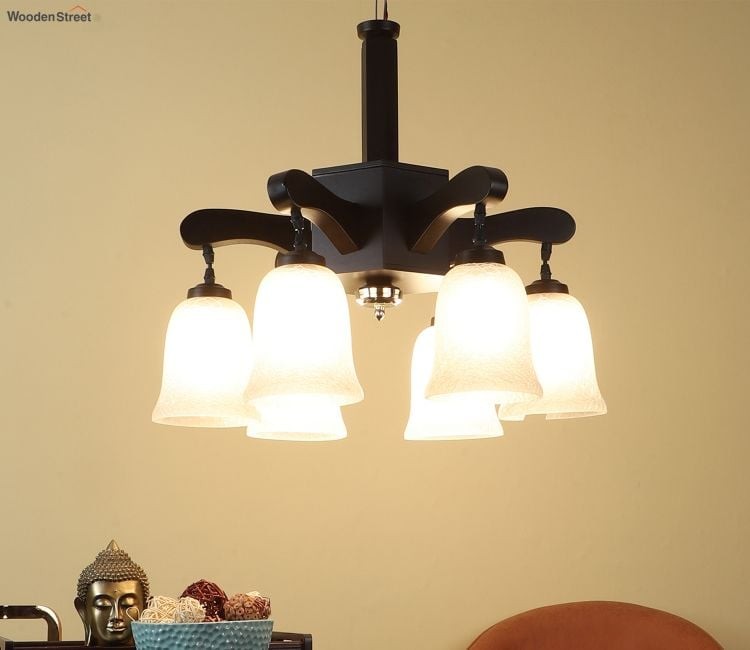
When it comes to home decor, lighting plays an essential role in setting the tone and ambiance of a room. One of the most stunning and timeless lighting fixtures is the chandelier. Whether you’re looking to add a touch of elegance to your dining room or a statement piece for your living room, choosing between modern and traditional chandeliers can be a tough decision. The chandelier light you select should complement your home’s overall aesthetic, creating harmony while enhancing its style.
In this article, we’ll explore the differences between modern and traditional chandeliers, their pros and cons, and how each style complements various types of home decor. Whether you’re considering a chandelier for your living room or a small chandelier for the living room, read on to find the perfect match for your space.
What is a Chandelier?
A chandelier is a decorative ceiling-mounted light fixture that typically features multiple branches or arms. It has the ability to illuminate large spaces effectively while also making a striking visual impact. Chandeliers are available in a range of styles, from the most opulent and ornate to sleek and minimalist designs.

Over time, chandeliers have evolved to reflect changing design trends, resulting in two dominant styles: modern chandeliers and traditional chandeliers. Let’s delve into these two categories to help you make an informed decision.
Modern Chandeliers: Sleek and Stylish
Modern chandeliers are all about simplicity, clean lines, and functionality. They often feature geometric designs, minimalistic elements, and innovative materials that align with contemporary tastes. These chandeliers are perfect for modern homes that embrace open spaces and minimalistic designs.
Characteristics of Modern Chandeliers:
-
Minimalistic Designs: Modern chandeliers tend to feature clean, simple lines and geometric shapes. There is a noticeable absence of intricate details and heavy ornamentation.
-
Use of Modern Materials: Modern chandeliers incorporate materials like stainless steel, chrome, glass, acrylic, and even wood. These materials give the chandeliers a more lightweight and contemporary look.
-
Statement Pieces: While modern chandelier are simple, they are often bold and striking, designed to stand out and create a focal point in the room.

Where to Place a Modern Chandelier:
A modern chandelier for the living room can be the perfect addition if you want a striking yet stylish piece of decor. It fits well in homes that have minimalist furniture, neutral color palettes, and a sleek, uncluttered design. A small chandelier for the living room works great in apartments or smaller spaces where you want to add elegance without overwhelming the room.
Pros of Modern Chandeliers:
-
Versatility: Modern chandeliers fit well in both traditional and contemporary settings, making them versatile for various design styles.
-
Space-Saving: Due to their sleek designs, modern chandeliers often take up less space and can complement smaller rooms without being overpowering.
-
Energy-Efficient: Many modern chandeliers are designed to be energy-efficient, with LED lights or other energy-saving bulbs.
Cons of Modern Chandeliers:
-
Lack of Ornate Detailing: Some may find the clean, minimalistic design of modern chandeliers too simple or lacking in character.
-
Cold Aesthetic: The sleekness of modern chandeliers might not provide the same warm, inviting atmosphere that traditional ones do.
Traditional Chandeliers: Timeless and Elegant
Traditional chandeliers are known for their classic design elements, which often feature intricate detailing and luxurious materials. These chandeliers evoke a sense of grandeur and are perfect for adding a touch of elegance to any room.
Characteristics of Traditional Chandeliers:
-
Ornate Detailing: Traditional chandeliers often feature elaborate designs with intricate metalwork, crystals, and decorative elements. They may include scrolling arms, candle-like bulbs, and glass elements.
-
Luxurious Materials: These chandeliers are typically made of high-quality materials such as crystal, brass, or bronze. The use of these materials adds sophistication and opulence.
-
Grand Scale: Traditional chandeliers are often larger and more ornate, designed to make a statement in a grand space.
Where to Place a Traditional Chandelier:
A chandelier for the living room in a traditional style can be an excellent choice if you want to create a luxurious, timeless atmosphere. These chandeliers also complement formal dining rooms, entryways, and even large bedrooms. The classic elegance of a traditional chandelier pairs well with antique furniture, detailed moldings, and rich color palettes.
Pros of Traditional Chandeliers:
-
Elegance and Sophistication: Traditional chandeliers bring a sense of class and luxury to any room. They are perfect for creating a grand statement.
-
Warm and Inviting: The detailed, ornate design of traditional chandeliers creates a warmer, more inviting atmosphere compared to their modern counterparts.
-
Timeless Appeal: Traditional chandeliers are not bound by trends and tend to retain their value and style over time.
Cons of Traditional Chandeliers:
-
Overpowering in Small Spaces: Traditional chandeliers can be overwhelming in smaller rooms or spaces with low ceilings. Their large size and intricate detailing may dominate the space.
-
Higher Maintenance: The delicate materials, such as crystal, may require more maintenance and cleaning to maintain their shine and luster.
Which Style Complements Your Decor?
Choosing between a modern or traditional chandelier ultimately depends on the style and ambiance you want to create in your home.
-
For a Contemporary or Minimalist Home: If you have a modern, minimalist, or industrial-style home, a modern chandelier for your living room would be an ideal choice. Look for chandeliers with clean lines and geometric shapes that fit seamlessly into the space. You might also consider a small chandelier for the living room if space is limited but you still want a bold statement.
-
For a Classic or Vintage Home: If your home is filled with antique or traditional furniture, a traditional chandelier can elevate the overall aesthetic. Its opulence and rich materials will complement vintage décor and add a luxurious touch to the room.
-
For Versatility: If you're seeking a chandelier that can blend well with various styles, a modern chandelier is often a safer choice. Its simple design ensures it fits into a wide range of interior design schemes, from traditional to contemporary.
-
For Statement Lighting: If you want your chandelier to be the centerpiece of the room, a traditional chandelier's grandeur will command attention. However, a modern chandelier can also serve as a sleek, bold statement piece without overwhelming the space.
Conclusion
Both modern chandeliers and traditional chandeliers have their unique appeal and can add significant value to your home. While modern chandeliers offer sleekness and versatility, traditional chandeliers exude elegance and timeless charm. Understanding the key differences between the two styles will help you make an informed decision based on your home’s décor and personal style.
Whether you choose a chandelier for your living room or a small chandelier for your living room, ensure that it complements the overall vibe you want to create. With the right chandelier, you can enhance your home’s ambiance and add a touch of sophistication that lasts for years.