
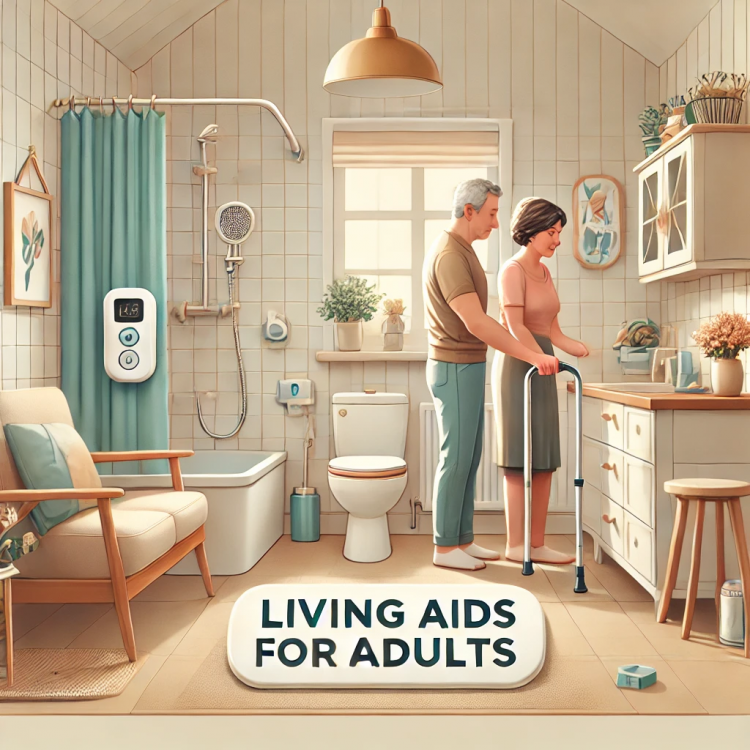
Aging presents a special set of difficulties, from cognitive changes to sensory limits and mobility restrictions. Modern innovation, however, has produced a variety of clever, useful tools that simplify daily life, provide safety, and increase enjoyment for senior citizens. Although many people know about basic tools like walkers, canes, or hearing aids, some lesser-known tools and products are quietly changing the way that growing older feels. For those 70 years of age and above, these under-the-radar solutions are especially helpful since they provide modest but effective means to preserve freedom, dignity, and quality of life.
This guide explores 10 lesser-known living aids that are transforming how seniors navigate their golden years. From adaptive kitchen tools to tech-assisted reminders and discreet safety devices, each item brings practical support without compromising comfort or aesthetics. Many of these innovations fall under the category of Living Aids for Seniors, a broad range of products designed specifically to support aging in place and everyday functionality. Below is a closer look at these transformative tools.
1. Smart Medication Dispensers
Managing multiple medications can be overwhelming, especially with memory issues or complex schedules. Smart pill dispensers offer automated sorting, timed dispensing, and audible or visual reminders. Devices like MedMinder or Hero even connect with smartphones to alert caregivers if a dose is missed. These tools significantly reduce the risk of medication errors and provide peace of mind to both seniors and their loved ones.

2. Voice-Controlled Smart Home Devices
Products like Amazon Echo or Google Nest Hub go far beyond playing music or giving weather updates. For seniors, voice-activated technology can be life-changing. It allows users to turn lights on and off, adjust thermostats, set reminders, or call family members—all without getting up. These smart assistants are particularly helpful for those with mobility limitations or vision impairments, creating a hands-free environment tailored to their needs.
3. Adaptive Kitchen Tools
Cooking is a daily activity that can become difficult with age, especially for those with arthritis or reduced dexterity. Tools such as rocker knives, electric jar openers, and non-slip chopping boards reduce strain while increasing safety. For instance, the Ulu knife, designed with a curved blade and ergonomic handle, allows users to cut with a gentle rocking motion, minimizing wrist effort. These adaptive tools make it possible to maintain independence in the kitchen well into one’s 70s and beyond.
4. Bidet Toilet Seats
Personal hygiene becomes more complicated as flexibility and balance decrease. Bidet toilet seats, which can be retrofitted to existing toilets, offer a sanitary, hands-free cleaning method. Many models include warm water jets, air dryers, and heated seating—all activated by simple buttons. For seniors who want to age in place with dignity, this discreet but effective living aid can improve both comfort and hygiene without requiring outside assistance.
5. Sock and Stocking Aids
Something as simple as putting on socks can become a daily struggle with aging hips, knees, or arthritis. Sock aids—typically plastic or fabric devices that hold the sock open and allow feet to slide in without bending—make dressing far easier. Compression stockings aids are slightly more specialized but incredibly useful for those with circulation issues or varicose veins. These aids prevent injuries and promote daily independence.
6. Fall Detection Sensors and Wearables
Falls are one of the most significant dangers for seniors, often leading to long hospital stays or permanent mobility loss. While traditional medical alert systems require manual activation, newer devices come with built-in fall detection. Wearables like the Apple Watch SE or devices from Lifeline can automatically detect a fall and alert emergency contacts. Some can even integrate with home monitoring systems for broader safety coverage.

7. Button Hooks and Zipper Pulls
Fine motor control can wane with age, making it hard to fasten buttons or zippers. Button hooks and zipper pulls are simple, inexpensive tools that make dressing significantly easier. These devices help thread buttons or zip garments with a single hand, allowing seniors to get dressed without assistance. For individuals with arthritis, Parkinson’s, or hand weakness, this can be an everyday game-changer.
8. Hearing Amplifiers (Not Traditional Hearing Aids)
While many seniors eventually need hearing aids, they can be costly and require fitting by an audiologist. Hearing amplifiers are an affordable, over-the-counter alternative. Devices like the Bose SoundControl or Eargo offer adjustable amplification without the medical cost or stigma of traditional aids. They’re especially useful for those with mild to moderate hearing loss who want discreet support for conversations or TV listening.
9. Lighted Magnifying Glasses and Readers
Reading fine print or doing hobby work can become frustrating with age-related vision changes. Lighted magnifying readers or glasses with built-in LED lights are incredibly helpful for improving visibility. These are ideal for reading books, menus, or prescription labels. Some models even come with hands-free stands for crafts, puzzles, or sewing. It's a small investment that brings significant comfort and confidence.
10. Motion-Activated Night Lights
Nighttime navigation poses real risks for older adults. Trips to the bathroom or kitchen in low light often lead to falls. Motion-activated night lights provide gentle, automatic lighting along pathways, staircases, or entryways. Battery-powered and easy to install, these lights only activate when someone moves nearby. They increase nighttime safety without requiring full room illumination or complex wiring.
Final Thoughts
Though they are not the most promoted or talked about, these ten little-known living tips have a significant influence on life after 70. For seniors and their caregivers, they provide a degree of dignity, freedom, and security that can transform their lives. These tools help seniors keep more control over their daily life, whether it's about hygiene without assistance, safe medication management, or just cooking a preferred meal without pain.
Demand for creative, reasonably priced, and useful solutions will only rise as our world's population ages. These living tools not only meet seniors' physical needs but also help them to retain autonomy, so supporting their emotional needs. They are evidence of how careful design and basic technology can really help aging to be a more elegant, confident, and joyful experience.