

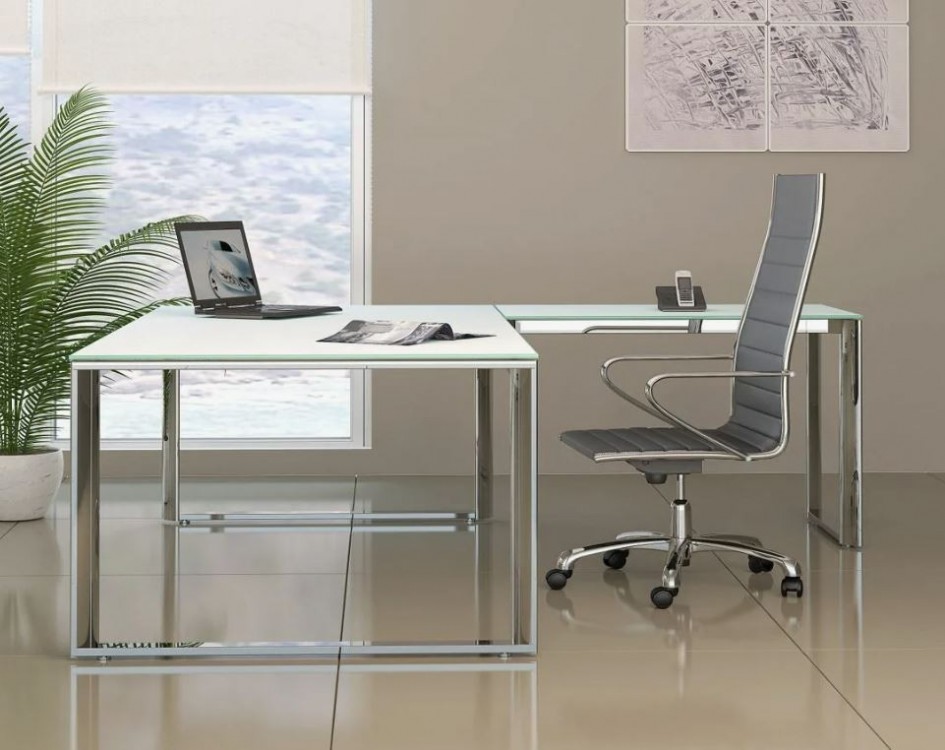
Spending long hours at a desk has become the norm in modern workplaces, making the choice of office chair more than just a design decision—it’s a matter of health and productivity. A poor-quality chair can lead to back pain, posture issues, and decreased work output. On the other hand, a well-designed office chair supports your spine, reduces fatigue, and promotes better concentration. Ergonomics plays a key role here. When your chair allows you to adjust the height, armrests, lumbar support, and seat depth, it ensures you maintain a neutral posture. This reduces pressure on your lower back and neck. Studies have consistently shown that employees with ergonomic chairs experience fewer work-related musculoskeletal disorders and enjoy higher job satisfaction. So, whether you work from a home office or a corporate environment, choosing the right office chair is a decision that can impact both your short-term comfort and long-term health.
Features to Look for in a High-Quality Office Chair
Not all office chairs are created equal. When shopping for one, it’s important to focus on features that enhance comfort, durability, and support. First, look for an adjustable seat height. This allows you to keep your feet flat on the floor and your thighs parallel to it, which is crucial for good circulation. A reclining backrest with tension control helps you shift postures throughout the day, easing strain on your spine. Lumbar support is another must-have. A contoured backrest that supports the natural curve of your lower back can prevent slouching and lower back pain. Breathable materials, such as mesh, improve air circulation and keep you cool during long work sessions. Additionally, the seat cushion should be firm but not too hard, offering comfort without sagging over time. Swivel capabilities and smooth-rolling casters add convenience, especially in collaborative or multi-monitor setups. Investing in an office chair with these features can make a noticeable difference in your daily comfort.
How Ergonomic Office Chairs Improve Posture and Reduce Fatigue
Poor posture is one of the most common consequences of using an unsuitable office chair. Over time, slouching, hunching, or leaning forward can cause strain on the spine and shoulders. An ergonomic office chair is designed to combat these issues by aligning the body in a natural, balanced position. With adjustable armrests, it allows your shoulders to stay relaxed and prevents your wrists from bending awkwardly while typing. A supportive backrest encourages a neutral spine position, helping you avoid the “C-shaped” curve that leads to discomfort. Moreover, many ergonomic chairs offer a tilt mechanism that promotes dynamic sitting, allowing you to lean back slightly and engage different muscle groups. This reduces static pressure and improves blood circulation, which in turn reduces fatigue. By encouraging proper posture and allowing flexibility, ergonomic office chairs not only prevent injury but also boost your focus and energy levels throughout the workday.

Office Chair Materials: Comfort, Breathability, and Aesthetics
The material of your office chair affects both comfort and appearance. Mesh office chairs are increasingly popular due to their breathability. They allow air to circulate around your back, which can be especially beneficial in warmer environments or for those who spend hours sitting. Leather office chairs, while less breathable, offer a luxurious and professional look, often preferred in executive settings. However, they may not be ideal for long durations without proper ventilation. Fabric chairs strike a balance, offering comfort and variety in color and texture, though they may require more maintenance to keep clean. When evaluating chair materials, also consider the quality of the padding. High-density foam offers long-term support and resists flattening, ensuring comfort over time. Aesthetic appeal is not to be overlooked either. A well-chosen office chair can complement your workspace design and contribute to a more enjoyable and inspiring work atmosphere.
Office Chairs for Different Work Environments
Different work environments demand different types of office chairs. For example, a chair for a home office might prioritize space efficiency and design harmony with other home furnishings. In contrast, chairs for corporate environments often focus on uniformity, durability, and ease of maintenance. Executive chairs, usually larger with high backs and premium materials, are suitable for leadership roles or conference rooms. Task chairs, which are smaller and more functional, are ideal for employees who spend most of their day at a desk. For creative professionals or designers, stools or drafting chairs may be better suited to high work surfaces. There are also specialized chairs for gamers, which offer extensive adjustments and cushioning to support long hours of sitting. Understanding your specific work needs and environment will guide you toward selecting the most appropriate office chair that enhances both performance and satisfaction.
Maintenance Tips to Extend the Life of Your Office Chair
A quality office chair is an investment, and like any investment, it requires proper care to maintain its value. Regular cleaning is essential. Use a vacuum to remove dust from fabric chairs, and wipe down leather or mesh chairs with a damp cloth to keep them looking fresh. If your chair has casters, check them regularly for debris that can affect movement. Lubricating the wheels and joints can prevent squeaking and ensure smooth operation. Periodically tighten screws and bolts to keep the structure secure and safe. If your chair has adjustable features like armrests or back tilt, be sure to use them correctly to avoid damaging the mechanisms. It’s also wise to avoid overloading the chair beyond its weight limit, as this can compromise its durability. By following these simple maintenance tips, your office chair will stay functional and comfortable for years to come.
Conclusion: Invest in Comfort, Invest in Your Workday
Choosing the right office chair isn’t just about comfort—it’s a commitment to your health and productivity. A supportive, adjustable, and well-built chair reduces the risk of chronic pain, improves posture, and enhances your ability to concentrate. With so many styles and features available, it’s important to choose one that aligns with your work habits, environment, and personal preferences. When you take the time to find the perfect chair, you’re not only improving your workspace—you’re also investing in your long-term well-being. For those looking for a dependable and ergonomic solution, Office Chair offers a range of thoughtfully designed seating options that bring both style and support to any work environment.






