
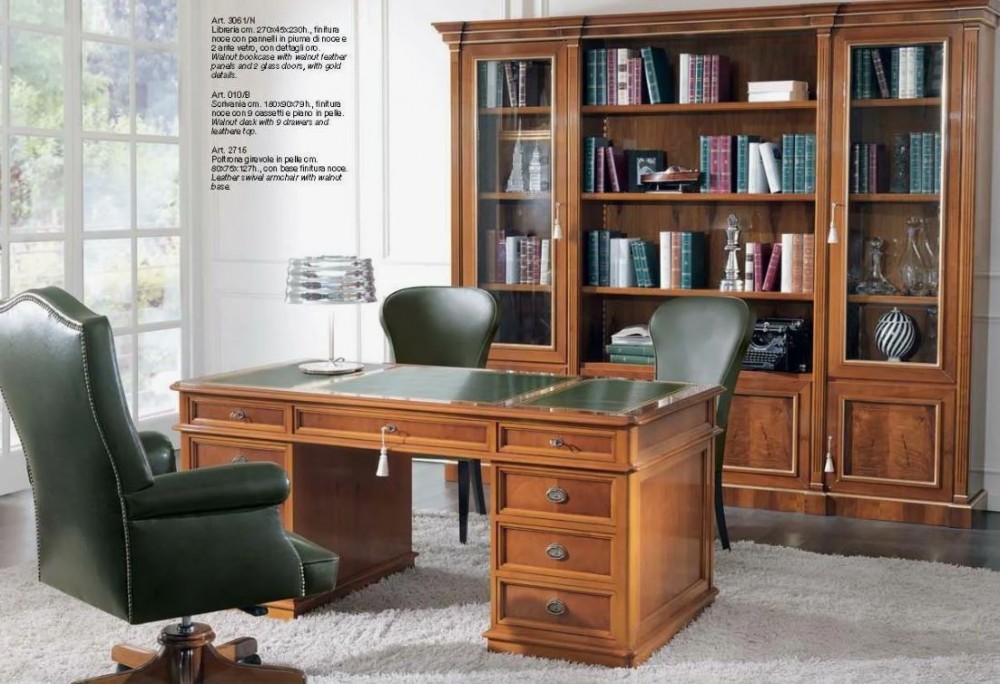
Creating a productive and comfortable working environment has never been more important, especially as businesses continue to prioritize employee well-being and efficiency. The right office furniture plays a crucial role in shaping how people feel and perform throughout the day. From ergonomic chairs that support posture to desks that encourage better organization, office furniture is not just about aesthetics—it’s a fundamental component of workplace success. Whether you're outfitting a new office, upgrading your current setup, or creating a hybrid workspace, choosing the right furniture can improve collaboration, reduce fatigue, and support a healthier work culture. In today’s competitive business landscape, having a well-furnished office can also enhance the impression you leave on clients and prospective employees, making it a valuable investment in your company’s image and functionality.
Why Ergonomics Matter in Office Furniture Design
Ergonomics has become a central theme in modern office furniture design for good reason. Poorly designed workspaces can lead to physical discomfort, musculoskeletal issues, and long-term health complications. On the other hand, ergonomic office furniture is engineered to fit the natural posture and movement of the human body, reducing strain and enhancing productivity. Chairs with adjustable height, lumbar support, and flexible armrests help employees maintain proper alignment during long hours at a desk. Sit-stand desks allow workers to alternate between sitting and standing, promoting better circulation and reducing the risks associated with sedentary behavior. Ergonomic furniture doesn’t just benefit the body—it also improves mental focus, as workers experience less physical distraction and fatigue. When employees are physically supported, they can concentrate more on their tasks, which leads to better outcomes and overall job satisfaction.
Versatility and Functionality: Choosing Multi-Purpose Furniture
Office design is evolving to keep pace with new working styles. Remote work, hot-desking, and open-plan layouts have created a need for office furniture that is versatile and adaptable. Modular desks, reconfigurable partitions, and mobile storage units provide flexibility and make it easier to transform spaces based on daily requirements. For example, a training room might double as a conference space with the right tables and chairs. Similarly, collaborative hubs equipped with soft seating and whiteboards encourage idea-sharing and team interaction. These multi-purpose furniture pieces maximize space efficiency, which is especially valuable in urban offices with limited square footage. They also offer cost savings by reducing the need for duplicate furniture purchases. Choosing items that can evolve with your business ensures long-term value and supports a dynamic and responsive work culture.

Aesthetic Appeal and Brand Identity
The visual design of office furniture plays a significant role in reinforcing a company’s brand identity. Sleek, modern pieces can convey innovation and creativity, while traditional wood finishes may communicate stability and professionalism. The color, material, and style of furniture all contribute to the ambiance of a workplace, affecting both employee morale and visitor perceptions. For instance, vibrant colors can energize creative teams, whereas neutral tones might suit focused or client-facing roles. Investing in attractive and cohesive furniture designs not only improves the visual experience but also aligns with your corporate culture. A well-designed office sends a message that your company values quality, attention to detail, and a positive working environment. It also provides an opportunity to stand out in a competitive market by showcasing unique design choices that reflect your business values and ethos.
Sustainable Choices in Office Furniture
Sustainability is becoming a top priority for many organizations, and office furniture manufacturers are responding by offering eco-friendly options. From recycled materials and responsibly sourced wood to low-emission finishes and modular construction, there are many ways to furnish your office sustainably. Green certifications such as LEED or GREENGUARD help identify products that meet high environmental standards. Choosing furniture with a smaller carbon footprint not only supports the planet but also sends a strong message to employees and clients about your company’s commitment to sustainability. Additionally, high-quality sustainable furniture tends to be more durable, reducing the need for frequent replacements and lowering long-term costs. Many companies also opt for furniture made by local or regional suppliers to reduce transportation emissions and support local economies. Embracing sustainable practices in office design is no longer optional—it's an essential part of responsible business operations.
Storage Solutions That Enhance Organization
Efficient storage is a critical component of any workspace. Without it, clutter accumulates, productivity suffers, and professional appearances are compromised. Smart office furniture solutions incorporate built-in storage elements that keep essentials within easy reach without disrupting workflow. Filing cabinets, bookcases, mobile pedestals, and wall-mounted shelves all serve to streamline organization and reduce distractions. In open office environments, storage units can also double as space dividers, enhancing privacy while maintaining an open feel. With the rise of digital documentation, physical storage needs are decreasing—but there is still a need for secure, organized areas to house important documents, personal belongings, and shared equipment. Investing in efficient storage systems improves workflow, reduces stress, and contributes to a cleaner, more professional environment.
The Role of Technology Integration in Modern Furniture
As the workplace becomes increasingly digitized, technology integration has become a standard feature in high-quality office furniture. Desks with built-in power outlets, USB ports, and cable management systems keep devices charged and workspaces tidy. Conference tables with embedded screens or video conferencing capabilities make hybrid meetings seamless and productive. These innovations reduce setup time, improve aesthetics, and prevent safety hazards caused by tangled cords. Technology-friendly furniture also supports remote collaboration, allowing team members across different locations to connect and share ideas with minimal technical difficulty. Whether it's a charging hub integrated into a shared table or a workstation with monitor mounts and keyboard trays, tech-ready furniture enhances productivity and convenience. It’s a practical upgrade for businesses that rely heavily on digital tools and communication platforms.
Conclusion: Office Furniture as a Catalyst for Workplace Success
The impact of well-designed office furniture goes far beyond visual appeal—it influences comfort, productivity, brand perception, and even long-term business success. By investing in ergonomic, functional, and sustainable furniture options, companies create environments where people can thrive. From individual workstations to collaborative zones, each piece of furniture plays a role in supporting daily operations and shaping a positive workplace culture. Businesses looking to make lasting improvements to their office environment should approach furniture selection as a strategic decision, not just a design choice. For organizations ready to transform their workspaces with smart, stylish, and effective solutions, Office Furniture is a trusted partner that delivers quality and innovation you can rely on.






