

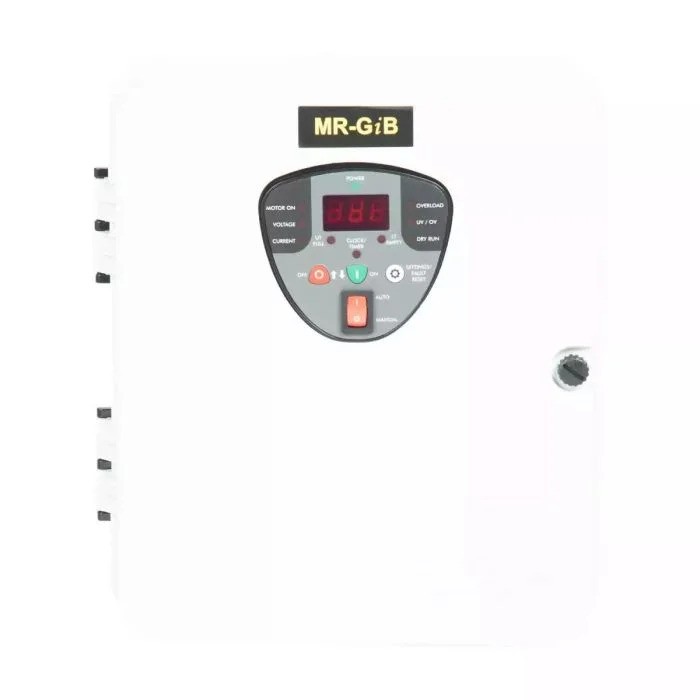
Water management is a cornerstone of agricultural, residential, and industrial operations. Submersible pumps play an essential role in ensuring a consistent water supply, especially in places where water needs to be drawn from underground sources. However, as operations become more complex and demand uninterrupted flow, relying solely on manual control becomes inefficient and error-prone. This is where an automatic starter for submersible pump comes into play — revolutionizing water pump control with smart efficiency.
In this post, we’ll explore how using an automatic starter enhances system performance, how it works, the economic and operational benefits it offers, and what you should consider when comparing options — especially concerning the automatic pump controller price.

An automatic starter for submersible pump is an intelligent device that automates the process of starting and stopping the pump based on pre-set parameters such as tank water levels, pressure, or time settings. It eliminates the need for manual intervention, allowing the pump to operate seamlessly and safely with minimal supervision.
Traditional systems often require the user to switch the pump on or off manually, which not only consumes time but also increases the risk of running the pump dry, causing damage. Automatic starters remove this burden by continuously monitoring operating conditions and ensuring that the pump functions only when required.
Components and Working Principles
An automatic starter generally consists of:

A control relay
A timer or sensor-based trigger (such as a float switch or pressure switch)
Overload protection circuitry
Voltage and current sensing modules
Manual override options
The working principle is simple: when the system detects that the water level in the tank is low, or that pressure in a pipeline drops below a threshold, the starter energizes the pump motor. Once the desired level or pressure is achieved, it shuts the pump off automatically. In more advanced systems, dry-run protection, motor health diagnostics, and delay timers are included to further improve the reliability of operation.
Benefits of Using an Automatic Starter for Submersible Pump
Now let’s examine the real-world advantages of integrating an automatic starter for a submersible pump controller into your system.
Improved Operational Efficiency
One of the biggest benefits is operational efficiency. With an automatic system, you can ensure that water is pumped only when needed. This helps conserve energy and extends the life of your pump.
Whether it’s an irrigation setup, a residential water tank, or an industrial cooling system, the automation removes the need for constant monitoring, making the entire process far more streamlined and efficient.
Reduces Human Error
Manual pump operation is susceptible to oversight. Leaving a pump running too long or forgetting to switch it on at the right time can lead to dry runs, overheating, or flooded tanks. Automation minimizes such risks and ensures consistent operation based on accurate data inputs.

Energy Conservation
Pumps consume a significant amount of electricity. Automatic starters can reduce unnecessary runtime, contributing to lower energy bills and a smaller carbon footprint. This is especially critical in rural areas where power resources are limited or expensive.
Extends Equipment Life
Frequent or improper switching, dry running, or overload conditions can reduce a pump’s lifespan drastically. An automatic starter comes with built-in protections that monitor conditions like voltage fluctuations, overloads, and dry run situations — all of which help in prolonging equipment life.
Convenience in Remote Locations
For agricultural fields, remote borewells, or inaccessible pump houses, automation is not just a luxury — it’s a necessity. With a smart starter, users can either operate the pump remotely (in advanced models) or allow it to run on pre-defined logic without being physically present.
Automatic Pump Controller Price: What to Expect
When considering an upgrade or installation, the automatic pump controller price becomes a significant factor. Prices can vary based on features, brand, and power rating, but it’s important to remember that the cost is not just about the hardware — it’s about the value it delivers over time.
Key factors that influence the automatic pump controller price include:
Control logic (basic on-off vs. smart programmable units)
Compatibility with single-phase or three-phase motors
Built-in protections (voltage, current, dry-run, thermal)
Display and diagnostics features
Build quality and brand reputation
While budget options are available for smaller residential systems, industrial-grade solutions may come at a premium. However, the long-term savings in maintenance, electricity, and reduced downtime often outweigh the initial investment.
Applications Across Different Sectors
The use of automatic starters is not limited to one specific domain. Here’s how they benefit various industries:
Agriculture
In farming, water management is vital. Automatic starters ensure timely irrigation, conserve water, and reduce labor, especially during odd hours or in the absence of workers.
Residential Water Supply
Urban homes and apartment complexes often rely on water tanks that need filling at specific times. Automatic starters ensure tanks are filled without overflow or motor burnout, providing peace of mind to homeowners.
Industrial and Commercial Buildings
In facilities where multiple pumps operate for cooling, processing water, or sanitation, automatic starters help in coordinating pump usage efficiently, maintaining optimal conditions without wasting energy.
Choosing the Right Starter for Your Needs
Before purchasing, consider the following:
Motor Power Rating: Ensure the starter supports the voltage and current range of your pump.
Sensor Type: Choose between float switches, pressure sensors, or time-based triggers based on your application.
Environmental Conditions: If your pump operates in a dusty or wet environment, the starter should have a durable, weatherproof enclosure.
Ease of Installation: Look for models that are plug-and-play or come with user-friendly interfaces.
After-Sales Support: A reliable warranty and responsive customer service go a long way in maintaining uninterrupted operations.
Conclusion
In an age where automation is key to operational excellence, an automatic starter for submersible pump proves to be an indispensable tool. It not only streamlines water pumping processes but also offers cost-efficiency, equipment safety, and peace of mind. The integration of automated control allows users to shift from reactive to proactive system management — leading to smarter water use and reduced human effort.
While the automatic pump controller price may seem like an upfront investment, the long-term benefits in energy savings, pump longevity, and operational ease make it a worthy addition to any pumping system.
For those seeking robust and dependable automation solutions, Lauritz Knudsen Electrical and Automation offers a wide range of high-performance automatic starters and pump controllers tailored to meet residential, agricultural, and industrial needs. With a commitment to innovation, safety, and customer satisfaction, they continue to set benchmarks in the electrical automation industry.





