
Introduction
Human Leukocyte Antigens (HLAs) play a crucial role in transplant success. These proteins, found on the surface of cells, help the immune system distinguish between self and non-self. HLAs typing is essential for matching organ and tissue donors with recipients, reducing the risk of rejection and improving transplant outcomes.
The field of transplant diagnostics has evolved significantly, offering precise and reliable services for HLA typing. With the growing need for organ transplantation, the demand for advanced diagnostics continues to rise. This market reflects medical advancements, regulatory developments, and emerging technologies, shaping the future of transplantation and immunogenetics.
The Evolution
HLA typing has progressed from serological methods to molecular techniques. Early approaches relied on antibody-based identification, limiting accuracy and reproducibility. Molecular methodologies, such as polymerase chain reaction (PCR) and next-generation sequencing (NGS), revolutionized precision and efficiency.

The shift to DNA-based typing allows high-resolution identification of HLA alleles. Advances in bioinformatics and automation have further optimized the process. The integration of artificial intelligence enhances data analysis, reducing errors and increasing compatibility accuracy.
Market Trends
The market is witnessing rapid adoption of cutting-edge technologies. NGS-based HLA typing is gaining traction for its high-resolution capabilities. Cloud-based data storage and real-time analysis improve workflow efficiency. Non-invasive testing methods are emerging, minimizing risks for patients.
Personalized medicine is driving demand for tailored HLA typing solutions. Pharmaceutical companies are investing in immunogenetic research, exploring HLA implications in drug development. Increasing awareness of transplantation success rates is influencing healthcare policies and funding for advanced diagnostics.
Challenges
Despite advancements, the market faces hurdles. High costs of sequencing technologies limit accessibility. Regulatory challenges impact standardization across different regions. Limited donor diversity in HLA databases affects match accuracy. Ethical concerns arise in genetic data handling, necessitating stringent security measures.
Shortage of skilled professionals hinders the widespread implementation of advanced diagnostics. Complex data interpretation requires specialized expertise. Efforts to educate healthcare providers and improve training programs are underway to address these limitations.

Market Scope
The market encompasses various stakeholders, including diagnostic laboratories, hospitals, research institutions, and biotech firms. It spans diverse applications, from organ transplantation to autoimmune disease studies. The integration of AI and machine learning is expanding possibilities for predictive analytics.
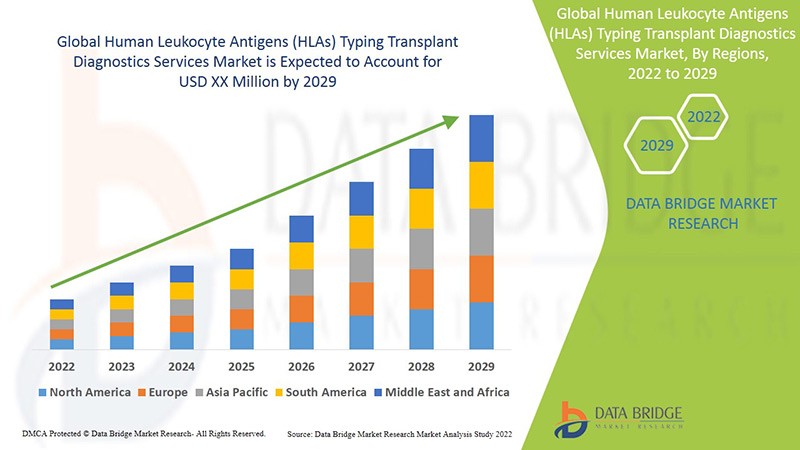
Geographically, North America dominates due to advanced healthcare infrastructure and research investments. Europe follows closely, benefiting from strong regulatory frameworks. Asia-Pacific is experiencing rapid growth due to increasing organ transplantation rates and government initiatives.
Market Size
The HLA typing transplant diagnostics services market continues to expand. Rising transplantation procedures and technological innovations contribute to market valuation. The increasing prevalence of organ failure and chronic diseases fuels demand.
Financial projections indicate substantial growth in the coming years. Investments in precision medicine and genomics research further accelerate market expansion. Strategic collaborations between biotech companies and healthcare providers enhance accessibility.
Factors Driving Growth
Several factors contribute to market growth. The surge in organ transplants due to aging populations and lifestyle diseases increases demand for HLA typing services. Advances in sequencing technology enhance accuracy, reducing rejection rates.
Government initiatives promoting organ donation and transplant registries create favorable conditions. The rise in cross-border healthcare services enables global collaborations in transplant diagnostics. Innovations in automation and AI streamline HLA matching, optimizing patient outcomes.
Other Trending Reports
https://www.databridgemarketresearch.com/reports/global-pressure-sensors-market
https://www.databridgemarketresearch.com/reports/global-canola-based-products-market
https://www.databridgemarketresearch.com/reports/global-aldose-reductase-inhibitor-market
https://www.databridgemarketresearch.com/reports/global-compound-feed-market
https://www.databridgemarketresearch.com/reports/global-strapping-equipment-market
https://www.databridgemarketresearch.com/reports/global-patau-syndrome-market
https://www.databridgemarketresearch.com/reports/global-bronchiolitis-drugs-market
https://www.databridgemarketresearch.com/reports/global-seaweed-in-dietary-supplement-market
https://www.databridgemarketresearch.com/reports/global-yorker-spout-market
https://www.databridgemarketresearch.com/reports/global-single-cell-battery-market





