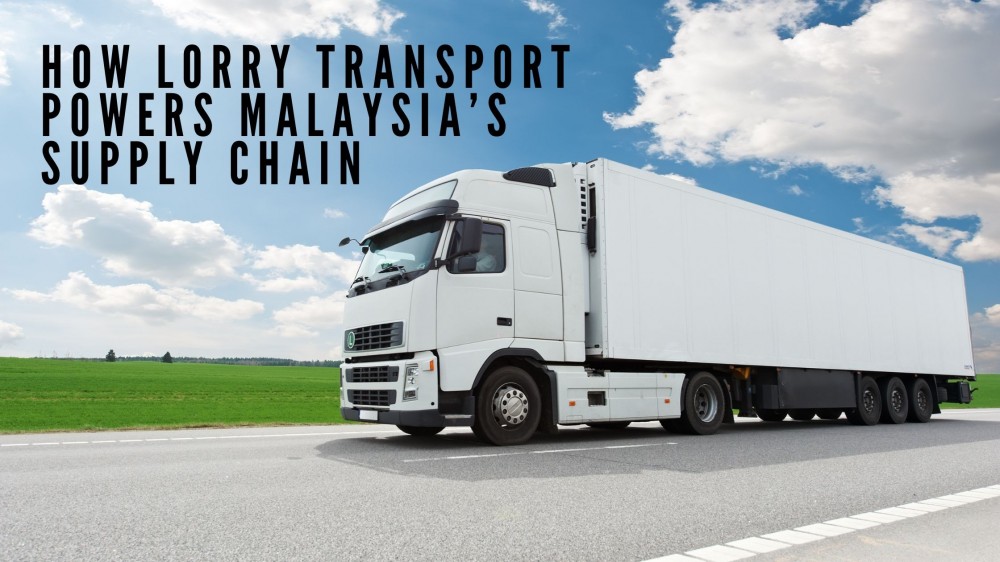
In Malaysia’s fast-paced logistics sector, lorry transport plays a pivotal role in moving goods across the country and beyond. From connecting manufacturers to ports, to ensuring retailers are stocked with inventory, lorry transport serves as the backbone of the national supply chain. As businesses grow more reliant on timely deliveries, this ground-based transportation mode is becoming even more critical for ensuring economic efficiency and competitiveness.
The Importance of Lorry Transport in Malaysia
Malaysia’s geographical layout—with its sprawling peninsular highways, rural townships, and major port cities—makes road transport especially vital. Lorries serve as the primary mode of freight movement within the country due to their flexibility, reach, and cost-effectiveness. Whether it's raw materials headed to factories, consumer goods traveling to supermarkets, or e-commerce parcels being delivered to homes, lorries are indispensable.

According to Malaysia’s Ministry of Transport, road freight makes up a significant portion of the country’s domestic logistics, far surpassing air or rail transport in volume. With an extensive highway network like the North-South Expressway, the movement of goods by lorry allows supply chains to operate with speed and agility.
Key Roles Lorry Transport Plays in the Supply Chain
- First-Mile and Last-Mile Delivery
Lorry transport is essential for both first-mile and last-mile delivery. In the first mile, lorries collect raw materials or finished goods from producers and deliver them to distribution hubs, ports, or factories. In the last mile, they bring products directly to retailers, businesses, or customers—especially in remote or rural areas where other transport modes are impractical.
- Port Connectivity
Malaysia has several key ports, such as Port Klang, Tanjung Pelepas, and Penang Port, which serve as critical gateways for imports and exports. Lorries ensure goods are transported efficiently between inland factories and these ports, enabling just-in-time shipping and international trade. Without a robust lorry network, port operations would be severely hampered.
- Intermodal Transport Integration
Lorry transport often works in tandem with other logistics modes like rail and sea. Goods arriving by ship can be loaded onto lorries for inland distribution, while cargo heading to other regions or countries may be trucked to container yards. This intermodal approach improves efficiency and reduces delays in the supply chain.

- E-commerce and Retail Fulfillment
With the rise of online shopping in Malaysia, lorry fleets are becoming even more crucial for delivering goods quickly to fulfillment centers and customers. From small parcel carriers to larger 10-tonne trucks, lorry transport adapts to different scales of delivery. Retailers now depend on reliable ground transport to meet same-day or next-day delivery promises.
Benefits of Lorry Transport for Businesses
- Flexibility and Reach
Lorries can access almost any location in Malaysia, from urban warehouses to rural plantations. This flexibility is unmatched by other transport modes, making it ideal for both high-traffic and hard-to-reach areas.
- Cost Efficiency
Compared to air or rail transport, lorry logistics offer a more affordable option for short to medium distances. For businesses that operate on tight margins or deliver frequently, this cost saving is critical.
- Speed and Frequency
With fewer loading and unloading points, road transport offers faster turnaround times. Lorry schedules can also be customized based on delivery priorities, ensuring businesses have the agility to respond to market demands.
Challenges Facing the Lorry Transport Sector
While lorry transport is vital, it also faces several challenges that could impact its future effectiveness.
- Traffic Congestion
Urban congestion, especially in cities like Kuala Lumpur and Johor Bahru, can delay deliveries and increase fuel costs. Addressing this requires better traffic management systems and smart routing solutions.
- Driver Shortages
Malaysia’s logistics sector is experiencing a shortage of qualified and experienced lorry drivers. Long hours, demanding schedules, and limited incentives contribute to this issue. Investing in driver welfare and training programs is essential.
- Vehicle Maintenance and Regulation
To keep goods moving safely and efficiently, lorry fleets must undergo regular maintenance and adhere to national road safety standards. Non-compliance can result in breakdowns, fines, or delivery disruptions.
- Rising Fuel Prices
Fuel remains one of the largest operational costs for lorry transport companies. Sudden spikes in fuel prices can impact delivery rates and squeeze profit margins, making it important to explore fuel-efficient technologies and alternative energy options.
Innovation and the Future of Lorry Transport in Malaysia
The lorry transport sector is gradually embracing digital transformation and innovation to address these challenges and improve service delivery.
- Fleet Management Systems (FMS): These tools help companies monitor driver behavior, fuel usage, route efficiency, and vehicle performance in real time.
- GPS Tracking and Telematics: Enhances visibility and coordination, allowing businesses to provide accurate delivery updates to customers.
- Electric Trucks and Sustainability Efforts: As environmental regulations tighten, some companies are investing in electric or hybrid lorries to reduce their carbon footprint.
- Digital Logistics Platforms: Platforms like Lalamove, TheLorry, and TruckTraders are reshaping how businesses book and manage freight, offering more accessible and competitive services.
Conclusion
Lorry transport is, and will continue to be, a critical force powering Malaysia’s supply chain. From local deliveries to cross-border trade, it supports economic activity across every major industry. While challenges exist, the integration of technology, improved infrastructure, and government support can help modernize the sector for long-term growth.
As Malaysia’s economy continues to expand and consumer expectations rise, a strong, reliable lorry transport network is essential for keeping goods moving efficiently—and keeping businesses thriving.