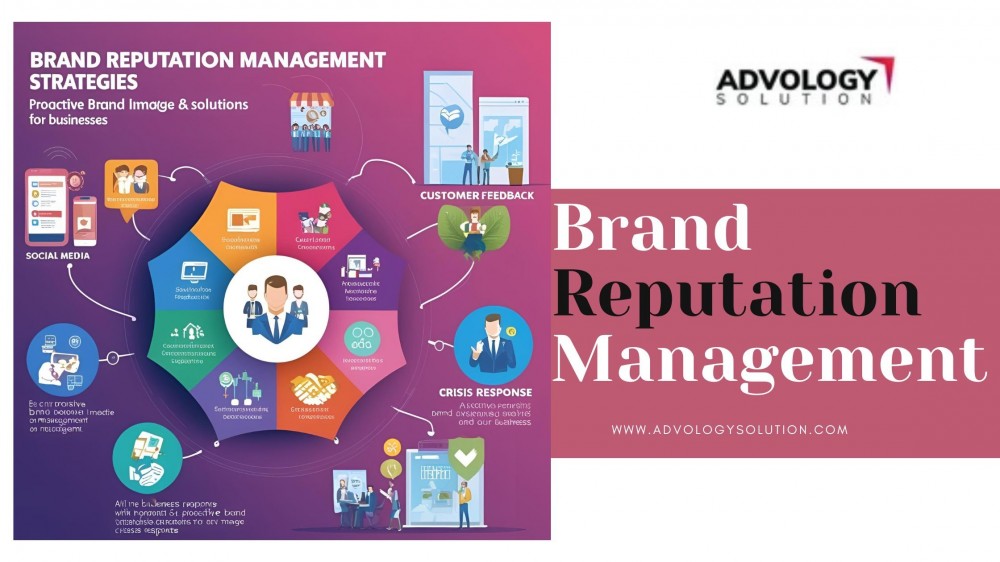
Why Brand Reputation Matters in 2025
In 2025, where the digital realm influences every aspect of our lives, Brand Reputation Management has emerged as a cornerstone of business success. With consumers increasingly relying on online reviews, social media discussions, and word-of-mouth, your brand’s image determines how well you connect with your audience. Managing this reputation goes beyond damage control—it's about fostering trust, loyalty, and long-term relationships.
What Is Brand Reputation Management?
Brand Reputation Management is the strategic process of monitoring, influencing, and improving public perception of your business. This includes engaging with customers, addressing concerns proactively, and showcasing your brand’s strengths across platforms.

A well-managed reputation serves as a shield against crises and a catalyst for growth. By shaping how people perceive your brand, you create a lasting impression that fosters trust and credibility.
Why Does Brand Reputation Matter?
In an interconnected world, a single post can spark global reactions. While a positive review can boost your visibility, a negative one can significantly impact your credibility. Businesses with strong reputations enjoy higher customer retention, better employee satisfaction, and greater financial stability.
Benefits of a Strong Reputation
-
Customer Trust: People prefer brands they perceive as reliable and honest.
-
Competitive Advantage: A positive image distinguishes your brand in a crowded market.
-
Revenue Growth: Trust leads to more sales, repeat business, and referrals.

-
Crisis Resilience: A strong foundation helps weather storms and bounce back faster.
Core Principles of Brand Reputation Management
1. Proactive Monitoring
Use tools like Google Alerts, Brandwatch, and Hootsuite to track mentions of your brand across social media, news platforms, and review sites. Early detection of potential issues enables swift responses, preventing escalation.
2. Engaging Authentically
Customers appreciate transparency and genuine interactions. Acknowledge positive feedback, address concerns openly, and avoid automated responses that feel impersonal.
3. Consistency Across Channels
Your messaging, tone, and values should align across all platforms, from your website to social media. Consistency builds trust and reinforces your identity.
4. Building Positive Associations
Collaborate with influencers, sponsor events, and engage in corporate social responsibility (CSR) activities to enhance your image.
Strategies for Effective Brand Reputation Management
1. Deliver Quality Experiences
Your reputation starts with the value you provide. Exceptional products, seamless services, and attentive customer support lay the foundation for positive impressions.
2. Respond to Feedback Promptly
Ignoring reviews—especially negative ones—can harm your credibility. Responding thoughtfully shows that you value customer opinions and are willing to improve.
3. Leverage Positive Reviews
Encourage satisfied customers to share their experiences. Display these testimonials on your website and social media to build credibility.
4. Crisis Preparedness
Develop a crisis management plan that outlines how to handle public backlash, misinformation, or unexpected issues. Having clear protocols minimizes panic and ensures consistent responses.
Challenges in Brand Reputation Management
1. Social Media Amplification
Social platforms amplify both praise and criticism. Managing this requires constant vigilance, quick responses, and careful handling of public feedback.
2. Fake News and Reviews
False information or malicious reviews can harm your brand. Counter these with verified facts, legal action if necessary, and authentic testimonials from real customers.
3. Rapidly Changing Trends
Consumer preferences evolve rapidly, and what worked yesterday may not resonate today. Staying updated and agile is crucial for maintaining relevance.
4. Competitor Smear Campaigns
In competitive industries, rivals may attempt to tarnish your image. Monitor your online presence and engage legal or PR support if necessary.
Tools to Enhance Brand Reputation Management
-
Google My Business
Keep your business details accurate, respond to reviews, and maintain an up-to-date profile. -
Trustpilot and Yelp
These platforms help collect and showcase authentic customer reviews to build credibility. -
Social Listening Tools
Tools like Sprout Social and Mention track brand mentions, enabling timely responses to both praise and criticism. -
SEO Platforms
Tools like SEMrush and Ahrefs help ensure positive content ranks higher, pushing negative mentions further down in search results.
The Role of Employees in Reputation Management
Your employees are your brand ambassadors. Their interactions with customers, behavior on social platforms, and overall satisfaction impact your brand image.
1. Empower Your Workforce
Provide training to help employees represent your brand positively. Equip them with guidelines for handling customer interactions.
2. Promote Employee Advocacy
Encourage employees to share their experiences and achievements on professional networks like LinkedIn.
3. Recognize Their Efforts
Publicly acknowledging employees’ contributions fosters pride and motivation, positively influencing how they portray your brand.
Future Trends in Brand Reputation Management
-
Artificial Intelligence (AI)
AI-powered tools will continue to streamline sentiment analysis, enabling brands to predict and respond to trends in real-time. -
Personalized Customer Experiences
Tailored marketing campaigns and customer interactions will become the norm, further reinforcing trust and loyalty. -
Focus on Sustainability
Consumers are increasingly favoring eco-conscious brands. Demonstrating commitment to sustainability enhances reputation. -
Blockchain Technology
Blockchain can bring transparency to supply chains, reinforcing trust among consumers who value ethical practices.
Recovering from a Reputation Crisis
Even the most trusted brands face crises. How you handle these situations determines your long-term success.
1. Admit Mistakes
Acknowledging the issue shows accountability and builds trust. Avoid making excuses or blaming others.
2. Communicate Transparently
Keep your stakeholders informed about the steps you’re taking to resolve the issue. Honesty and clarity go a long way in rebuilding trust.
3. Take Corrective Action
Show that you’re committed to improvement by implementing tangible changes and sharing progress updates.
4. Learn from the Experience
Evaluate what went wrong and refine your strategies to prevent similar issues in the future.
Conclusion: Building a Resilient Brand
Brand Reputation Management is no longer optional—it’s an essential strategy for survival and growth. By actively monitoring, engaging authentically, and embracing change, businesses can build a positive reputation that withstands challenges and drives long-term success.
In 2025, the brands that excel are those that prioritize trust, embrace transparency, and consistently deliver value. Start refining your reputation management strategies today to secure your place as a trusted leader in your industry.