

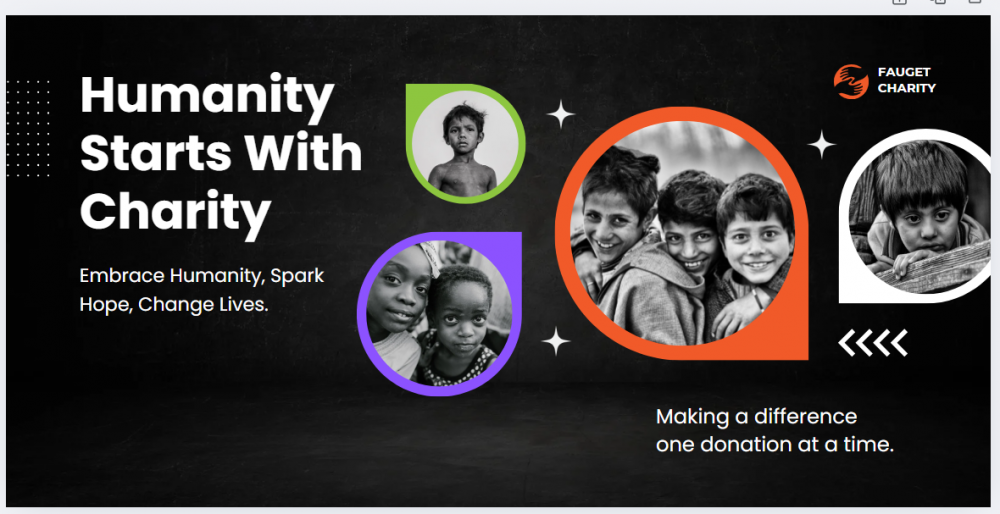
A compelling website serves as the virtual front door to your non-profit organization. It's not merely an online presence but a powerful platform that communicates your mission, showcases your impact, and ultimately inspires visitors to become donors and supporters. Creating a website that effectively converts visitors into contributors requires thoughtful planning, artificial intelligence and social media strategic design, and authentic storytelling. Whether you're launching a new organization or revamping an existing digital presence, this guide will walk you through the essential elements of building a mission-driven non-profit website that resonates with your audience and motivates meaningful action.
Understanding Your Audience and Goals
Defining Your Core Audience
Before diving into design and development, it's crucial to identify who you're trying to reach. Is your primary audience potential donors, volunteers, beneficiaries of your services, or perhaps partner organizations? Each audience segment has different needs and expectations when visiting your site. Conduct interviews with existing supporters, analyze your current donor demographics, and research similar organizations to develop clear audience personas. Understanding what motivates your visitors—whether it's emotional connection, impact measurement, or ease of giving—will inform every aspect of your website strategy.
Setting Clear Objectives
A successful non-profit website balances multiple functions: raising awareness, driving donations, recruiting volunteers, sharing impact stories, and providing services. However, without clear prioritization, these competing purposes can create a confusing user experience. Define specific, measurable objectives for your website—such as increasing monthly recurring donations by 25% or growing newsletter signups by 300 subscribers per month. These concrete goals will guide your design decisions and help you measure success after launch.
Essential Elements of an Effective Non-Profit Website
Compelling Mission Statement and Value Proposition
The moment visitors land on your site, they should immediately understand what your organization does and why it matters. Craft a concise, powerful mission statement that communicates your purpose in simple language. Accompany this with a clear value proposition that explains what sets your organization apart from others addressing similar causes. This core messaging should be prominently featured on your homepage and reinforced throughout the site.
Authentic Storytelling and Impact Demonstration
Stories create emotional connections that facts and statistics alone cannot achieve. Showcase the human impact of your work through compelling narratives featuring the individuals or communities you serve. Document your journey as an organization, highlighting key milestones and achievements. Use a mix of formats—written profiles, photo essays, short videos—to bring these stories to life. Importantly, demonstrate measurable impact by sharing specific outcomes, testimonials, and progress toward goals. This transparency builds trust and gives potential donors confidence that their contributions will make a difference.
Streamlined, Frictionless Donation Process
The donation experience is perhaps the most critical element of your website. Minimize the steps required to complete a donation, offering various payment methods and suggested gift amounts. Clearly explain how donations will be used and provide options for one-time or recurring giving. Many business principles apply here—reduce friction, create a clear call to action, and design a transparent checkout process. Remember that each additional click or form field reduces completion rates, so aim for simplicity while collecting necessary information.
Mobile-Responsive Design for Access Anywhere
With more than half of web traffic now coming from mobile devices, your website must perform flawlessly across all screen sizes. A responsive design automatically adjusts to provide optimal viewing and interaction experiences whether someone visits from a desktop computer, tablet, or smartphone. This accessibility is especially important for donation forms, which must be easy to complete on smaller screens. Test your site thoroughly on multiple devices to ensure all functions work seamlessly regardless of how supporters access your content.
Strategic Design Considerations
Visual Identity That Reflects Your Values
Your website's visual design should authentically represent your organization's personality and values. Choose colors, typography, and imagery that evoke the appropriate emotional response and align with your mission. For example, an environmental organization might use earth tones and nature photography, while a youth education non-profit might opt for brighter colors and dynamic images of learning in action. Consistency in these visual elements builds recognition and reinforces your brand identity across all touchpoints.

Intuitive Navigation and User Experience
Even the most beautiful website fails if visitors can't find what they're looking for. Design a clear navigation structure that guides users intuitively through your content. Use familiar terms in your menu rather than internal jargon, and organize information logically based on user needs rather than your organizational structure. Include prominent calls to action on every page—whether to donate, volunteer, or learn more—and ensure that essential information like contact details is always accessible.
Accessibility for All Users
True to the inclusive mission of most non-profits, your website should be accessible to people of all abilities. Implement proper heading structures, alternative text for images, sufficient color contrast, and keyboard navigation to accommodate users with visual or motor impairments. These accessibility considerations not only expand your audience but also demonstrate your commitment to inclusion as a core organizational value.
Content Strategy and Management
Consistent Content Calendar
Regular content updates signal an active, thriving organization. Develop a sustainable content calendar that includes mission-related articles, impact stories, event announcements, and news updates. Consistent publishing builds audience engagement and provides fresh material for your social media channels and email newsletters. It also gives supporters multiple reasons to return to your site and share your content with their networks.
Non profit WordPress Themes and Content Management Systems
Selecting the right platform for your website is crucial for long-term success. Many organizations find that specialized Non profit WordPress Themes offer the ideal balance of flexibility, cost-effectiveness, and ease of use. These themes typically include donation functionality, event management tools, and customizable templates designed specifically for cause-focused organizations. Whatever system you choose, ensure that your team can easily update content without technical assistance, as timely updates are essential for maintaining an engaging site.
Integrated Multimedia Approach
Different people absorb information in different ways. Incorporate various media formats—text, images, videos, infographics—to convey your message and engage diverse learning styles. Video content, in particular, has proven highly effective for non-profits, allowing supporters to see your work in action and connect emotionally with your cause. Quality matters more than quantity; a few well-produced videos can be more impactful than numerous amateur productions.
Measuring Success and Continuous Improvement
Analytics Implementation and Key Metrics
Install analytics tools to track visitor behavior, conversion rates, and other meaningful interactions. Define key performance indicators aligned with your goals—such as donation completion rate, average gift amount, volunteer sign-ups, or content engagement. Regular review of these metrics will help you identify what's working and what needs adjustment.
Testing and Optimization Strategy
Website development doesn't end at launch. Implement a continuous improvement process through regular testing and refinement. A/B test different donation page layouts, calls to action, or storytelling approaches to see what resonates most with your audience. Small incremental improvements can lead to significant increases in engagement and giving over time.
Conclusion
Building an effective non-profit website requires thoughtful strategy, authentic storytelling, and careful attention to the donor experience. By centering your mission, demonstrating impact, and creating frictionless pathways to engagement, you can transform your digital presence into a powerful tool for advancing your cause. Remember that your website templates is not merely a business expense but an investment in your organization's future growth and impact. With the right approach—including selecting appropriate Non profit WordPress Themes that align with your specific needs—your website can inspire visitors to join your mission through donations, volunteering, and advocacy.





