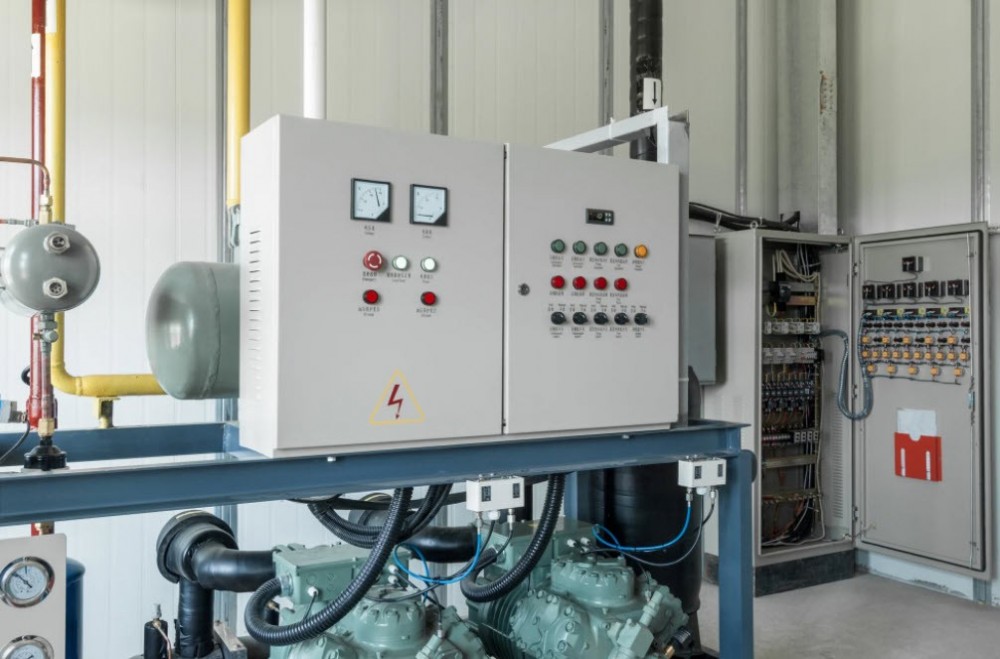
In the world of modern construction and facility management, ensuring optimal climate control and energy efficiency is critical. One of the most efficient ways to manage building environments is through the use of BAS HVAC controls. BAS, or Building Automation System, is a comprehensive approach to managing the heating, ventilation, and air conditioning (HVAC) systems of a building, along with other systems like lighting, security, and fire safety. HVAC systems play a significant role in maintaining indoor comfort and air quality, and BAS HVAC controls are designed to make these systems smarter, more efficient, and easier to manage.
What Are BAS HVAC Controls?
BAS HVAC controls refer to the automated systems that monitor, control, and optimize HVAC operations in a building. These systems are an integral part of the broader Building Automation System (BAS), which acts as the central hub for managing the various subsystems of a building. Through sophisticated sensors, controllers, and software, BAS HVAC controls can adjust the heating, cooling, ventilation, and airflow throughout a building based on the changing conditions inside and outside.
The goal of BAS HVAC controls is not only to maintain a comfortable indoor climate but also to optimize energy usage. By utilizing real-time data and advanced algorithms, these systems can adjust temperature settings, airflow, and equipment operation to meet demand while minimizing energy waste.

Key Components of BAS HVAC Controls
The success of BAS HVAC controls is due to the integration of various components that work together to ensure seamless operation. These include:
-
Sensors: Sensors are the foundation of BAS HVAC controls. They monitor various parameters such as temperature, humidity, CO2 levels, and air quality. These sensors provide real-time data to the system, which helps determine whether adjustments are necessary. For example, temperature sensors might detect if a room is too hot or too cold, prompting the HVAC system to respond accordingly.
-
Controllers: Controllers are devices that process data from sensors and execute commands to adjust HVAC systems. They can control variables like heating, cooling, ventilation, and airflow based on the information provided. In more advanced systems, controllers can even perform predictive maintenance by detecting potential issues before they cause a system failure.
-
Actuators: Actuators are responsible for physically adjusting the components of the HVAC system, such as valves, dampers, and fans. For example, when the controller sends a command to adjust the temperature, the actuator will open or close the valve or fan accordingly.
-
User Interface: The user interface is how building operators interact with the BAS. It could be a physical control panel or a software application that provides a dashboard view of the building’s climate systems. The interface allows operators to monitor conditions, receive alerts, and manually adjust settings when necessary.

-
Communication Network: The communication network links all the components of the BAS HVAC controls. It allows sensors, controllers, and actuators to share data and receive instructions in real-time. Advanced BAS systems often use wireless communication, allowing easy installation and greater flexibility.
-
Software: The software component is responsible for processing data and making decisions based on algorithms, setpoints, and conditions. This software can be cloud-based, providing remote access to facility managers, or on-premise, housed within the building’s central control room.