Becoming a registered nurse (RN) is a rewarding career path that combines clinical expertise with compassionate care. With a growing demand for healthcare professionals, nursing offers excellent job stability, competitive salaries, and the opportunity to make a significant difference in patients’ lives. This guide will walk you through everything you need to know, from choosing the right nursing degree to landing your first job. If you're aiming to find registered nurse jobs in the future, this is your first stop.
Understanding the Role of a Registered Nurse
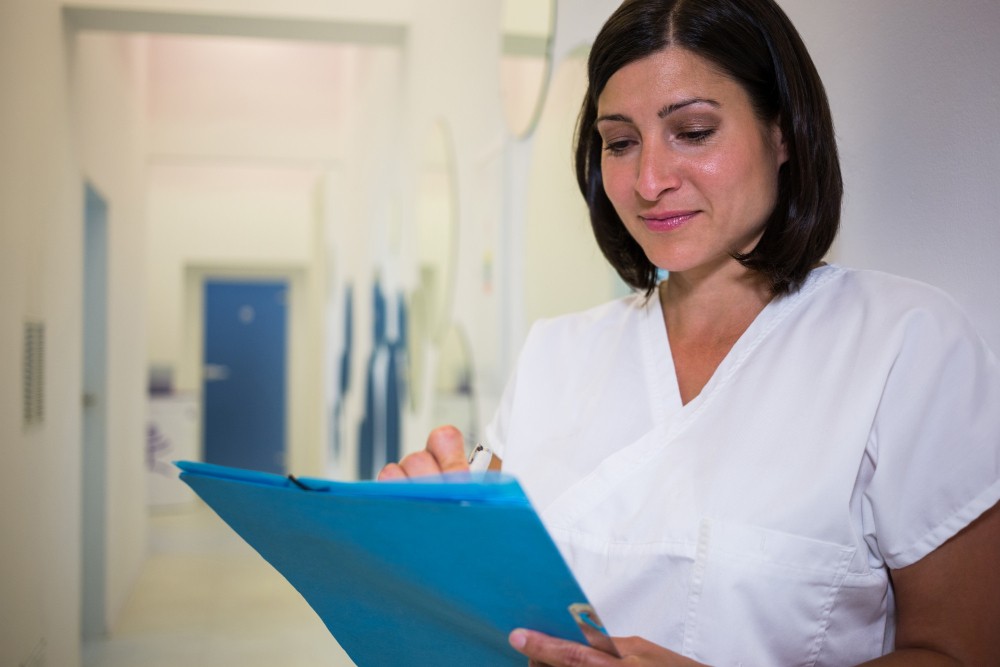
Registered nurses play a vital role in the healthcare system. They are responsible for assessing patient conditions, administering medications, coordinating with physicians, documenting medical histories, and supporting patients and their families during treatment. RNs are employed in a variety of healthcare settings, including hospitals, clinics, schools, nursing homes, and home care environments. Their scope of work may also involve health education and patient advocacy.

What Does a Registered Nurse Actually Do?
A registered nurse (RN) performs a wide range of essential tasks that directly impact patient care and recovery. Their day-to-day responsibilities go beyond basic medical assistance—they are the frontline providers of healthcare services. An RN’s duties typically include monitoring vital signs, administering medications and IVs, assisting in medical procedures, and updating patient records with precision. They also evaluate patient responses to treatments and adjust care plans accordingly in collaboration with physicians and specialists.
Beyond clinical tasks, RNs offer emotional support, educate patients about their health conditions, and ensure that families understand care instructions. In fast-paced environments like emergency rooms or critical care units, registered nurses must respond quickly and accurately to life-threatening situations. In contrast, those working in schools or community clinics may focus more on health screenings, immunizations, and long-term wellness.
Do You Need a Degree to Become a Registered Nurse?
Yes, you do. And it all starts with choosing the right type of education. Most nurses follow one of two main paths:
- Associate Degree in Nursing (ADN): Usually takes two years and is often offered at community colleges. It’s the faster route to start working.
- Bachelor of Science in Nursing (BSN): This takes about four years and is offered at universities. It’s a deeper education with more opportunities later on.
Both programs prepare you to take the nursing exam. However, more hospitals now prefer or require a BSN due to better training and long-term potential.
What Is the NCLEX-RN and How Do You Pass It?
This is the big test you’ll need to pass to officially become a nurse. It’s called the NCLEX-RN, and it’s required in all states.

The test checks how well you can apply nursing knowledge in real-world situations—not just memorized facts. It's multiple-choice, and the number of questions can vary based on your answers.
To prepare, many students:
- Join NCLEX-RN review courses
- Practice with test prep apps
- Create daily study schedules
- Use flashcards for tricky topics
Don’t stress too much. If you study smartly and stay consistent, passing the exam is completely doable.
How Do You Apply for a Nursing License?
After passing the NCLEX-RN, the next step is getting your state license. Each U.S. state has its own nursing board with slightly different rules.
Generally, you’ll need to:
- Submit an application through your state’s nursing board
- Pay the licensing fee
- Provide proof of education and exam results
- Complete a background check
Once approved, you’ll officially be a licensed RN. That’s when the real work begins!
Should You Choose a Nursing Specialty?
Not every nurse works in the same kind of setting. Some prefer the fast pace of an emergency room, while others feel drawn to pediatric care or mental health.
Here are a few specialty areas to consider:
- Critical care (ICU)
- Labor and delivery
- Oncology (cancer treatment)
- Surgical nursing
- Geriatrics
- Pediatric nursing
Specializing doesn’t just help you focus on something you enjoy. It also opens the door to higher salaries and more job stability. You can often get certified in your chosen area after gaining some on-the-job experience.
What Are Your Job Options as a Registered Nurse?
You might be surprised by how many different settings nurses work in. It’s not just hospitals. You can also find jobs in:
- Clinics and urgent care centers
- Nursing homes
- Schools and universities
- Public health departments
- Private homes (home health care)
This flexibility means you can choose a work environment that fits your personality and lifestyle. Whether you like night shifts or 9-to-5s, chances are there’s a nursing job that works for you.
How to Land Your First Job as a Registered Nurse?
Getting your first RN job can feel like a challenge, but here are some practical tips:
- Polish your resume: Highlight your clinical rotations and any special training you had.
- Prepare for interviews: Expect questions about how you'd handle tough patient situations.
- Use your network: Talk to your instructors, classmates, or people you met during training.
- Look into residency programs: These are special new graduate programs in hospitals to help you adjust from school to real work.
Additionally, don’t be afraid to start small. Many nurses begin in less competitive environments and move up quickly with experience.
What Comes Next After You Become a Nurse?
Becoming an RN doesn’t mean your education is over. In fact, many nurses go on to earn advanced degrees like:
- MSN (Master of Science in Nursing): For nurse educators, nurse practitioners, or management roles.
- DNP (Doctor of Nursing Practice): For leadership positions and advanced clinical work.
Even if you don’t go back to school, you’ll need to keep learning. Most states require continuing education to renew your license. It also helps you stay current with medical advances and patient care techniques.
Conclusion
Becoming a registered nurse is a process, but it's one filled with purpose and real impact. From selecting the right education path to passing the NCLEX-RN and choosing your first job, every step brings you closer to making a difference in people’s lives. We’ve covered what you need to know—whether it’s about degrees, licenses, or job options. If you’re searching for nursing jobs near me, this guide can help you get started on the right track. The best time to begin is now. Take that first step and start exploring programs or talk to someone already in the field. Your journey to becoming a nurse begins today.