

Introduction
Chorea is a neurological disorder characterized by involuntary, unpredictable movements affecting various body parts. It is commonly associated with conditions such as Huntington's disease, Sydenham's chorea, drug-induced chorea, and other neurodegenerative disorders. The disorder results from dysfunctional basal ganglia activity, leading to motor impairments, coordination difficulties, and social challenges for affected individuals.
The Chorea Treatment Market is expanding due to advancements in neuropharmacology, increasing awareness of movement disorders, and rising investments in neurological research. Innovations in gene therapy, targeted drug formulations, and AI-assisted diagnostics are improving treatment outcomes and patient care.
The Evolution
Treatment for chorea has evolved from symptomatic management to precision medicine approaches tailored to specific underlying conditions. Early interventions relied on antipsychotics and dopamine blockers, which helped manage symptoms but led to sedation and cognitive impairment.

The introduction of tetrabenazine and deutetrabenazine, VMAT2 inhibitors, revolutionized chorea treatment by modulating dopamine transmission to reduce excessive involuntary movements. Research into deep brain stimulation (DBS) and neurostimulation techniques provided alternative options for drug-resistant cases.
Recent developments in gene therapy and personalized medicine are paving the way for targeted interventions, particularly in Huntington’s disease-related chorea. AI-powered neurological imaging and predictive analytics are enhancing early diagnosis and treatment customization.
Market Trends
Several trends are shaping the Chorea Treatment Market. The rise of precision medicine and gene therapy is driving research into targeted interventions for genetic movement disorders. AI-assisted diagnostics and wearable neurological monitoring devices are improving early detection and symptom tracking.
The adoption of non-invasive neurostimulation techniques, including transcranial magnetic stimulation (TMS) and focused ultrasound therapy, is expanding treatment possibilities. Advancements in VMAT2 inhibitors and dopamine-modulating drugs are optimizing symptom control with fewer side effects.
Government initiatives supporting neurological disorder research and rare disease treatment funding are accelerating drug development. Telemedicine and digital health platforms are improving patient access to movement disorder specialists, enhancing treatment adherence and monitoring.

Challenges
Despite advancements, the market faces challenges. Limited treatment options for rare chorea subtypes restrict therapeutic accessibility. High costs of gene therapy and neurostimulation procedures affect affordability.
Side effects associated with dopamine-modulating drugs require continuous refinement in drug formulations. Regulatory hurdles in neurological drug approvals influence market expansion. Limited awareness and delayed diagnosis impact early intervention strategies.
Variability in patient response to chorea treatments necessitates personalized medicine approaches, requiring further research into biomarker-driven treatment customization. Ethical concerns in gene-editing therapies influence regulatory frameworks and adoption rates.
Market Scope
The Chorea Treatment Market spans pharmaceuticals, neurostimulation devices, gene therapy research, and digital health solutions. Applications include Huntington’s disease management, Sydenham’s chorea treatment, drug-induced movement disorder interventions, and neurodegenerative disease therapies.
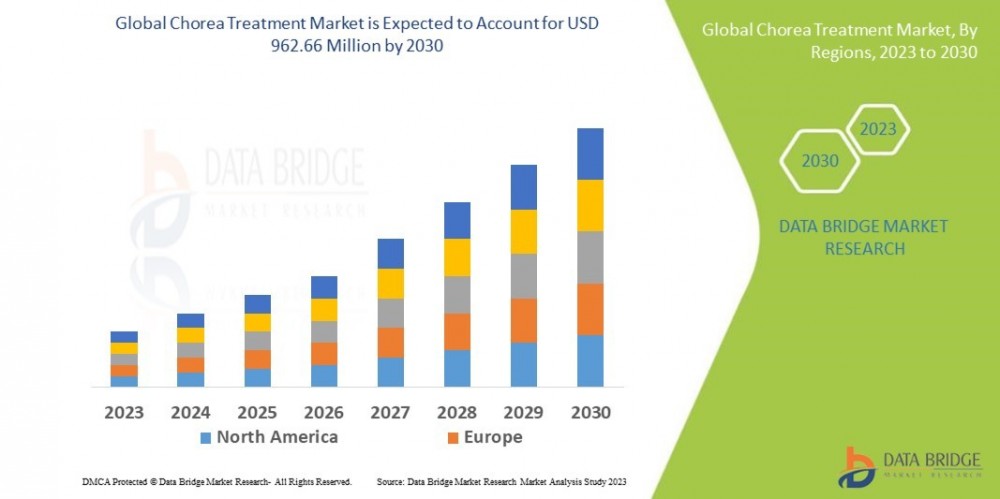
North America leads the market, driven by strong neurological research funding and advanced healthcare infrastructure. Europe follows closely, benefiting from government-backed rare disease treatment initiatives. Asia-Pacific is witnessing rapid growth, fueled by rising neurological disorder awareness and expanding healthcare accessibility.
Market Size
Financial projections indicate steady market expansion, supported by increasing investments in neuropharmacology, advancements in gene therapy, and rising demand for movement disorder treatments. Strategic collaborations between biotech firms, pharmaceutical companies, and neurological research institutions enhance market accessibility and innovation.
Government-backed initiatives promoting neurological disorder awareness and early intervention programs further accelerate market adoption. The expansion of AI-driven diagnostics and wearable neurological monitoring devices contributes to long-term industry sustainability.
Factors Driving Growth
Several factors contribute to market growth. Rising prevalence of movement disorders and neurodegenerative diseases fuels demand for advanced chorea treatments. Advancements in VMAT2 inhibitors, gene therapy, and neurostimulation techniques improve treatment efficacy.
Government regulations supporting neurological research and rare disease funding accelerate industry expansion. Innovations in AI-assisted diagnostics and personalized medicine enhance treatment customization. The shift toward non-invasive neurostimulation and digital health platforms strengthens long-term market viability.
Source :https://www.databridgemarketresearch.com/reports/global-chorea-treatment-market





