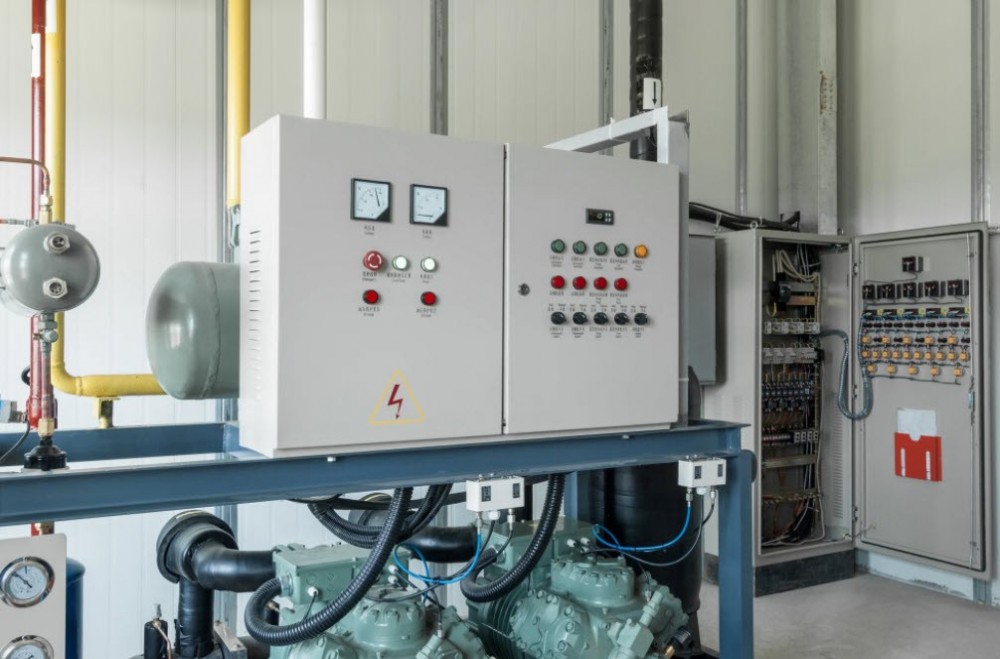
Control system integration is revolutionizing the way modern industries operate by streamlining processes, improving efficiency, and minimizing downtime. As technology evolves rapidly, businesses that rely on complex manufacturing and operational systems are turning to advanced control system integration solutions to stay competitive.
In today’s interconnected industrial environment, control system integration bridges the gap between different systems and technologies—be it PLCs (Programmable Logic Controllers), HMIs (Human-Machine Interfaces), SCADA (Supervisory Control and Data Acquisition), or DCS (Distributed Control Systems). These components, when effectively integrated, provide seamless automation, real-time data access, and enhanced decision-making capabilities.
What is Control System Integration?
Control system integration is the process of linking various automation components into a cohesive and functional system. This process includes hardware configuration, software development, communication setup, and the synchronization of different technologies. The goal is to ensure all parts of a production or operational system work harmoniously to achieve optimal performance and reliability.
Whether it's a factory floor or a power generation plant, control system integration ensures that all machines, sensors, and software platforms communicate efficiently. This integration allows operators to monitor performance, detect anomalies, and make informed adjustments in real-time.
Why Control System Integration Matters
In the age of Industry 4.0 and smart manufacturing, control system integration has become indispensable. Here are a few reasons why:
-
Improved Efficiency: By automating repetitive tasks and synchronizing systems, businesses can significantly reduce operational costs and energy consumption.
-
Real-Time Monitoring: Integrated systems provide immediate access to data, enabling quick responses to issues and informed decision-making.
-
Scalability: With a well-designed control system, businesses can scale their operations more easily without overhauling existing systems.

-
Reduced Downtime: Predictive maintenance and real-time alerts help identify issues before they lead to costly downtimes.
-
Enhanced Safety: Automated systems can reduce human error and ensure compliance with safety regulations.
Key Components of a Successful Integration
To achieve a successful control system integration, certain components must be in place:
-
Custom Software Development: Tailoring software to fit specific business needs is crucial for seamless operation.
-
Data Communication Protocols: Systems must be able to communicate using standard protocols like Modbus, OPC, or Ethernet/IP.
-
Hardware Selection and Configuration: Choosing compatible PLCs, sensors, and other hardware that can easily interface with existing systems.
-
Cybersecurity Measures: Integrated systems need robust security to protect sensitive operational data and infrastructure.
Industries Benefiting from Control System Integration
Control system integration is essential in a wide range of industries, including:
-
Manufacturing: Automating assembly lines and monitoring production in real-time.
-
Oil & Gas: Integrating remote monitoring systems to improve safety and efficiency.
-
Water Treatment: Automating the management of water flow, filtration, and chemical dosing.
-
Pharmaceuticals: Ensuring quality control and compliance with regulatory standards.
-
Food & Beverage: Maintaining consistent product quality through automated controls.
Partner with Experts for Best Results
Achieving successful control system integration requires expertise in both the operational and technical aspects of automation. That’s why working with a trusted partner is crucial. A skilled integrator can assess your current setup, design a scalable solution, and provide ongoing support and optimization.
For businesses looking for reliable and innovative integration services, XAutomationLLC offers comprehensive solutions tailored to meet diverse industrial needs. With a deep understanding of modern automation tools and a commitment to excellence, X-Automation LLC helps companies maximize efficiency, minimize downtime, and gain a competitive edge.
Final Thoughts
Control system integration is not just a technical upgrade—it’s a strategic investment in your business’s future. By unifying your operations through intelligent automation, you position your company for sustainable growth, increased productivity, and enhanced operational control.
Whether you're starting from scratch or upgrading existing infrastructure, control system integration provides the tools and insights needed to excel in today’s fast-paced industrial landscape. And with experienced partners like X-Automation LLC by your side, the journey to a smarter, more efficient operation becomes not only achievable but inevitable.