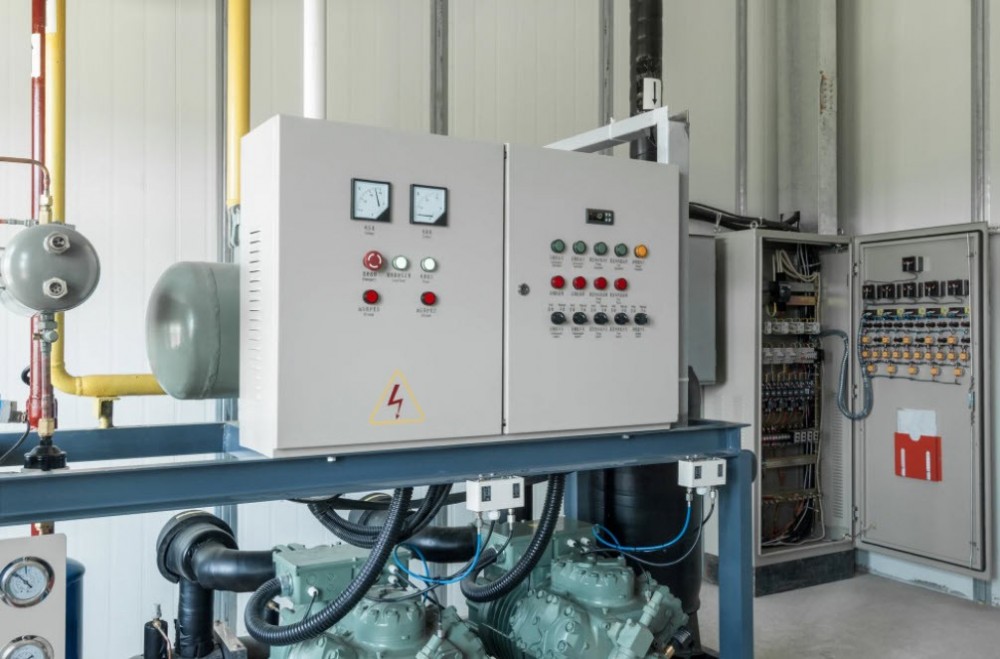
Industrial control panel technology is the backbone of modern automated systems, serving as the central hub for controlling machinery, monitoring processes, and ensuring efficient operations across countless industries. From manufacturing plants to energy facilities, industrial control panels are vital for maintaining safety, productivity, and seamless communication between components.
As automation continues to transform the way industries operate, the importance of custom-designed, well-integrated control panels has never been greater. These systems consolidate wiring, reduce human error, and provide operators with the real-time data they need to make informed decisions.
What Is an Industrial Control Panel?
An industrial control panel is an assembly of electrical components that manage, regulate, and direct industrial equipment. These panels typically house switches, relays, circuit breakers, PLCs (Programmable Logic Controllers), and other control devices. They serve as the command center for machines and production lines, ensuring operations run safely and efficiently.

There are two main types of industrial control panels:
-
Open-type panels: Typically installed in enclosures or cabinets.
-
Enclosed-type panels: Come pre-mounted in protective enclosures and are ready for installation.
Depending on the application, control panels can be custom-built to meet specific functional, safety, and environmental requirements.
Key Functions of Industrial Control Panels
An effective industrial control panel performs several key functions:
-
Power Distribution: Ensures consistent and reliable power flow to all equipment.
-
Automation Control: Houses PLCs and other devices that automate machine functions.
-
Process Monitoring: Integrates sensors and interfaces that track real-time data.
-
Safety Management: Includes emergency stops, overload protection, and compliance with safety codes.
-
Communication: Facilitates communication between various machines and systems.
Benefits of Custom Industrial Control Panels
Investing in custom-built control panels tailored to your operations brings significant advantages:
-
Improved Efficiency: Automated control leads to faster and more accurate processes.
-
Reduced Downtime: Real-time diagnostics help prevent failures before they occur.
-
Enhanced Safety: Properly designed panels comply with standards like UL 508A and NFPA 79, ensuring workplace safety.
-
Scalability: Easily add or upgrade components as your system grows.
-
Ease of Maintenance: Organized wiring and labeled components simplify troubleshooting.
Applications Across Industries
Industrial control panels are indispensable in a variety of sectors:
-
Manufacturing: Manage automated production lines and machinery.
-
Water & Wastewater Treatment: Regulate pumps, valves, and filtration systems.
-
Oil & Gas: Control compressors, generators, and safety systems.
-
Food & Beverage: Maintain consistency in mixing, packaging, and labeling processes.
-
HVAC Systems: Monitor and control building environments in real time.
Choosing the Right Partner for Panel Design and Integration
Selecting a knowledgeable and experienced partner is crucial when it comes to designing, building, and maintaining industrial control panels. The right provider understands your unique operational requirements, industry regulations, and the importance of future-proofing your investment.
X-Automation LLC is a trusted leader in the field of automation and control systems. Their team specializes in designing high-performance, fully customized industrial control panels that meet exact client specifications. From consultation and CAD design to panel fabrication, installation, and support, X-Automation delivers end-to-end solutions that drive efficiency and reliability.
With a focus on innovation, compliance, and client satisfaction, X-Automation LLC ensures your systems operate seamlessly—today and well into the future.
Compliance and Standards
Control panels must meet various industry standards and certifications, which ensure safe and consistent operation:
-
UL 508A Listing: For panels built in accordance with Underwriters Laboratories standards in the U.S.
-
CSA Certification: Required for systems operating in Canada.
-
CE Marking: For systems used within the European Economic Area.
Working with a certified panel builder ensures your system not only performs optimally but also meets legal and regulatory requirements.
Future Trends in Control Panel Technology
As Industry 4.0 and IIoT (Industrial Internet of Things) continue to evolve, so too does the design and functionality of control panels. Future-forward panels now incorporate:
-
Remote Monitoring & Control: Access systems from anywhere using cloud-connected devices.
-
Touchscreen HMIs: Simplify user interaction and data visualization.
-
Predictive Maintenance Integration: Use sensor data and AI to anticipate and prevent issues.
These innovations help businesses stay ahead of the curve, optimize operations, and reduce long-term costs.
Conclusion
An industrial control panel is more than just an electrical box—it's the central nervous system of your automated operations. Whether you're building a new facility or upgrading outdated equipment, investing in a professionally designed and integrated control panel is key to maximizing productivity, ensuring safety, and achieving long-term success.
With tailored solutions from experienced providers like X-Automation LLC, your business can harness the full power of automation to gain a competitive edge in today’s fast-paced industrial landscape.