

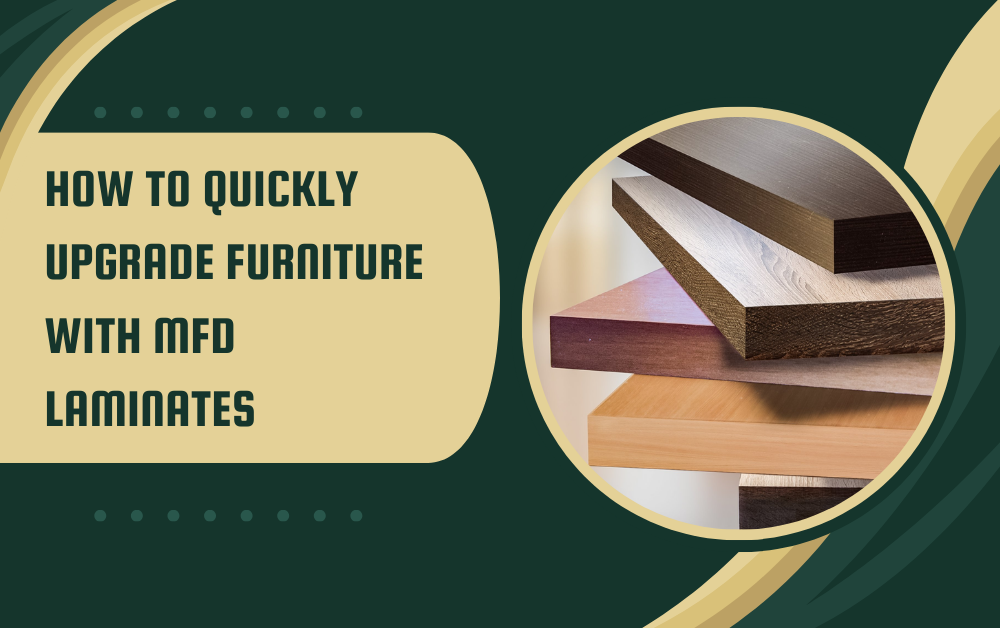
Furniture plays a crucial role in defining the aesthetics and functionality of a space. Whether it’s a home, office, or commercial setting, the right finish can enhance durability, visual appeal, and usability. One of the most efficient and modern ways to refresh or upgrade furniture is by using Medium-Density Fiberboard (MFD) laminates. In this article, we’ll explore how MFD laminates can be a game-changer for furniture design, and how you can use them to quickly upgrade your pieces with style and efficiency.
Understanding MFD Laminates
MFD (Medium-Density Fiberboard) is an engineered wood product made by breaking down hardwood or softwood residuals into wood fibers and combining them with wax and resin binders. This composite material is then pressed into panels, which serve as a smooth and durable surface ideal for lamination.
MFD laminates, often referred to as laminated MFD boards, are decorative surface materials that are bonded onto the MDF core using heat and pressure. These laminates not only enhance the furniture’s appearance but also improve its resistance to wear, stains, and heat.
Why Choose MFD Laminates for Furniture Upgrades
Upgrading furniture with MFD laminates works offers numerous advantages. Here’s why they are an ideal choice:
Cost-Effective Alternative to Solid Wood
Solid wood furniture is often expensive and requires maintenance. MFD laminates provide a cost-effective alternative that offers a similar visual appeal without the high price tag or extensive care requirements.
Aesthetic Variety and Design Flexibility
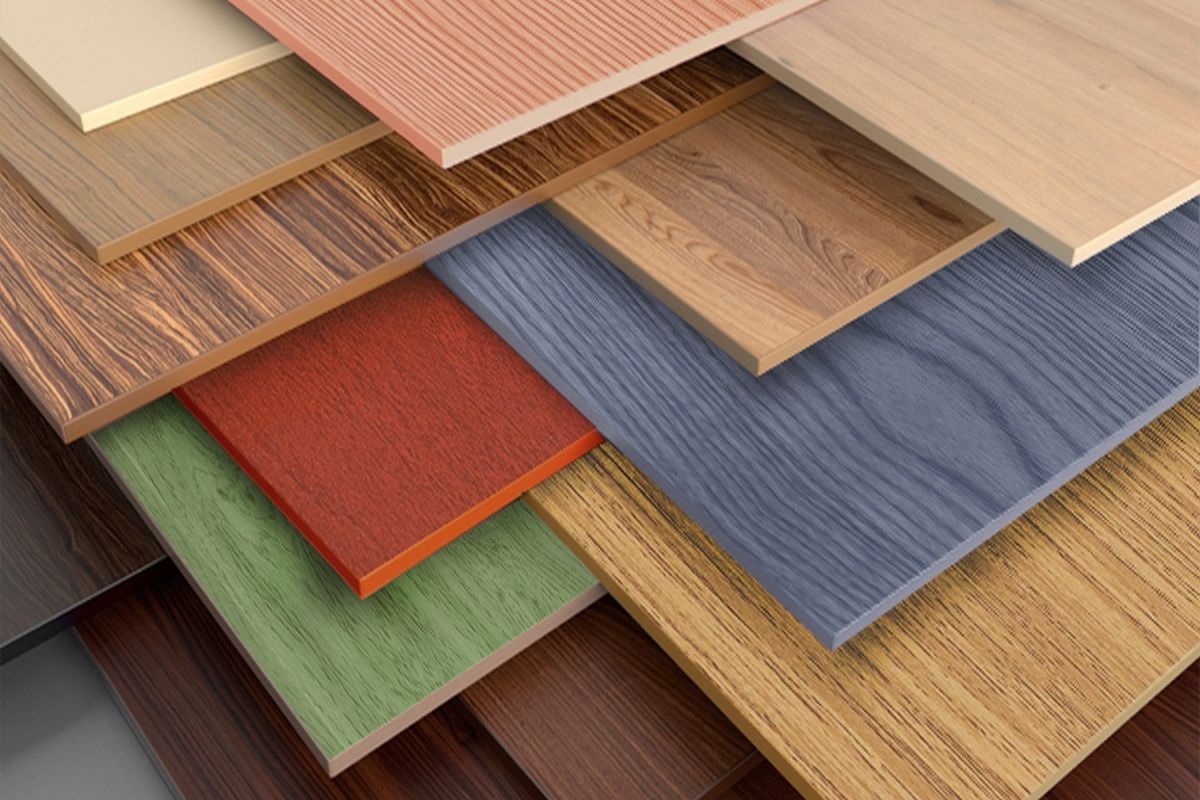
MFD laminates come in a vast range of textures, colors, and finishes—such as matte, gloss, wood grain, stone, and metallic looks. This makes it easy to match or enhance your existing interior design theme.
Easy Maintenance and Cleaning
These laminates are easy to clean with just a damp cloth. Their resistance to moisture and stains makes them ideal for homes with children or pets and for high-traffic areas.
Quick Installation Process
Unlike complete furniture replacements or complex remodeling, applying MFD laminates is relatively quick and straightforward. This is particularly beneficial for time-sensitive projects or commercial upgrades.

Preparing Furniture for Laminate Application
Before applying MFD laminates, it’s essential to prepare the furniture surface properly to ensure optimal adhesion and a flawless finish.
Surface Cleaning and Inspection
Start by cleaning the surface thoroughly to remove dust, grease, or old adhesives. Inspect for any cracks or damage, and repair them with wood filler or sandpaper if necessary.
Surface Sanding
A smooth yet slightly roughened surface allows better adhesion. Sand the surface evenly using medium-grit sandpaper to remove any imperfections and to prepare it for bonding.
Measurement and Laminate Cutting
Measure the surface areas accurately. Use a utility knife or table saw to cut the MFD laminates according to the required dimensions, leaving a slight margin for adjustments.
Applying MFD Laminates: Step-by-Step Process
The actual process of laminating furniture requires care and precision. Here’s how to do it efficiently:
Adhesive Application
Use high-quality contact adhesive or wood glue. Apply an even layer on both the furniture surface and the back of the MFD laminate. Allow the adhesive to become tacky (as per manufacturer’s instructions) before bonding.
Laminate Placement and Alignment
Carefully place the laminate sheet onto the surface. Ensure proper alignment before pressing down to avoid bubbles or wrinkles. You can use spacers or dowels during placement to prevent premature contact.
Pressing and Trimming
Use a roller or flat press to apply even pressure across the laminate. This ensures strong bonding and eliminates trapped air. Once bonded, trim the edges with a router or file for a clean finish.
Edge Banding
For a seamless look, add matching edge bands using an iron-on or adhesive technique. Edge banding not only improves aesthetics but also protects the furniture from moisture and impact damage.
Types of MFD Laminates Suitable for Furniture
Different spaces and functions demand different types of laminates. Here are some commonly used types of MFD laminates for furniture upgrades:
High-Pressure Laminates (HPL)
These laminates are durable and resistant to wear, making them ideal for high-use furniture such as kitchen cabinets, office desks, and wardrobes.
Glossy Laminates
Best for modern interiors, glossy laminates reflect light and create a sleek, contemporary finish. These are widely used on display cabinets, wall units, and living room furniture.
Matte Laminates
Matte finishes offer a subtle, non-reflective look with a soft texture. They’re popular in bedrooms, home libraries, and minimalist-themed interiors.
Textured and Woodgrain Laminates
These mimic the look and feel of natural wood, giving furniture an authentic wooden appearance. Perfect for those who want the richness of wood without the maintenance.
Anti-Fingerprint Laminates
Useful for kitchen and office environments, these laminates resist smudges and fingerprints, maintaining a clean appearance even with frequent use.
Applications of MFD Laminates in Different Furniture Pieces
MFD laminates can be applied to a variety of furniture items, adding both visual appeal and durability.
Kitchen Cabinets
Upgrade old or dull cabinets with water-resistant MFD laminates in bright or woodgrain finishes. This not only improves aesthetics but also increases functionality.
Wardrobes and Closets
Add a modern or rustic charm to bedroom furniture by using laminated boards in matte or textured styles. Edge banding can be added for a polished look.
Office Desks and Tables
Glossy or anti-fingerprint laminates are ideal for workstations. They offer a clean, professional appearance and resist coffee spills, scratches, and wear.
TV Units and Shelving
Use contrasting or dual-tone laminates to create visually engaging living room units. Laminated shelving adds style without compromising structural integrity.
Side Tables and Nightstands
Quickly elevate simple side tables using a bold laminate finish. Opt for colors that complement the room’s palette to enhance interior harmony.
Maintenance Tips for Laminated Furniture
To keep laminated furniture looking its best, regular maintenance is essential:
- Avoid abrasive cleaners – Use mild detergent and a soft cloth.
- Wipe spills immediately – This prevents moisture from seeping in.
- Keep away from direct sunlight – Prolonged exposure can cause fading.
- Use mats or coasters – Protect surfaces from hot dishes or heavy items.
With minimal care, MFD laminated furniture can maintain its finish and integrity for many years.
Common Mistakes to Avoid
While upgrading furniture with MFD laminates is relatively simple, a few common mistakes can affect the outcome:
- Using low-quality adhesives that lead to poor bonding.
- Skipping surface preparation, resulting in uneven application.
- Incorrect cutting measurements, leading to material wastage.
- Neglecting edge finishes, which impacts the final look.
Being mindful of these factors ensures a smooth, professional finish.
Conclusion
Upgrading furniture with MFD laminates is an effective, affordable, and stylish way to refresh your living or work space. With a wide range of designs, durability options, and ease of application, MFD laminates empower homeowners, interior designers, and furniture makers to transform ordinary furniture into elegant, functional pieces in a short amount of time.
Whether you're revamping old furniture, starting a DIY project, or working on a commercial interior, MFD laminates offer unmatched versatility and value. With the right preparation, tools, and design choices, you can breathe new life into your furniture—and your entire space—quickly and efficiently





