

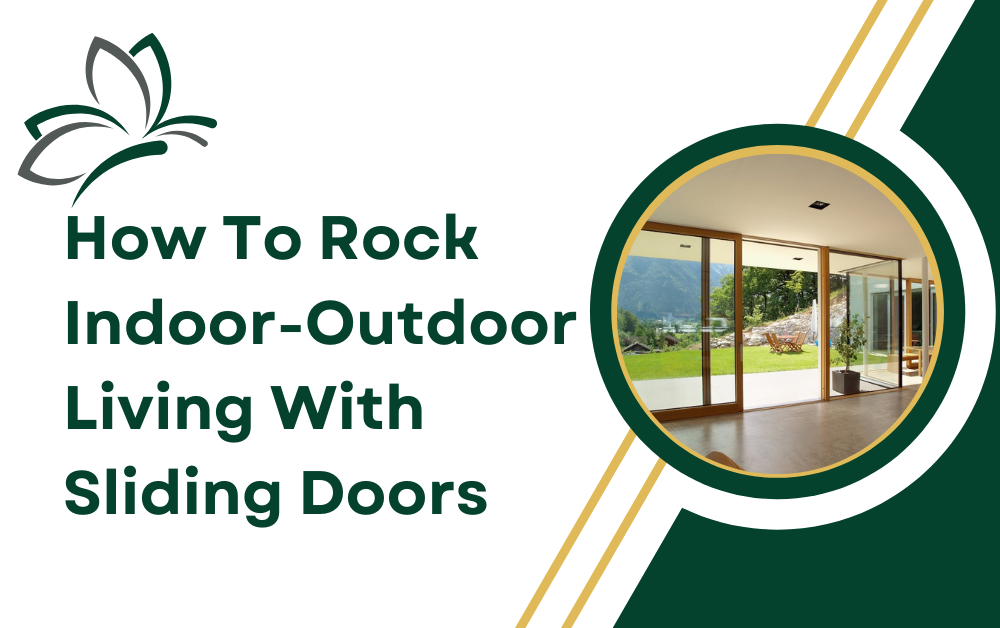
In modern home design, the barrier between indoors and outdoors is becoming increasingly fluid. With the rise in popularity of open-concept spaces and a growing appreciation for natural light and ventilation, homeowners are looking for innovative ways to blend the interior of their homes with the beauty of the outdoors. One standout solution in this transformation is the installation of sliding doors. More than just a functional element, sliding doors serve as a design centerpiece that can dramatically enhance both the aesthetic and usability of your living space.
Understanding Indoor-Outdoor Living
Indoor-outdoor living refers to a seamless integration between the interior areas of a home and the outside environment. This concept is not just about having a patio or a backyard; it's about designing spaces in a way that they flow into each other, creating a unified experience. It promotes greater access to natural light, encourages airflow, and supports a lifestyle that values openness, flexibility, and a connection with nature.
This style of living is especially popular in regions with temperate climates where outdoor spaces can be used year-round. However, with proper design considerations, even homes in cooler or variable climates can benefit from indoor-outdoor transitions.

NOTE:- The beauty of the outdoors was brought inside when panoramic sliding doors were fitted. Living areas had been opened up, light was maximized, and energy flow improved. Let Doorman System elevate your space with expertly crafted panoramic doors
Why Sliding Doors Are Ideal for Indoor-Outdoor Living
Sliding doors offer a multitude of benefits that make them particularly well-suited for bridging the indoor and outdoor areas of a home. Their design typically includes large glass panels that slide along a track rather than swinging open. This simple mechanism provides several advantages:
- Uninterrupted Views: Sliding doors often span large openings and are made of glass, offering expansive views of the garden, patio, or surrounding landscape.
- Space Efficiency: Unlike hinged doors, sliding doors do not require extra space to swing open or closed, making them ideal for areas where space is at a premium.
- Natural Light: The large glass surfaces allow natural light to flood the interior, creating a brighter and more inviting space.
- Ease of Access: Smooth sliding mechanisms offer easy transitions between indoor and outdoor areas, which is particularly useful when entertaining guests or moving items in and out.
Types of Sliding Doors for Indoor-Outdoor Spaces
Choosing the right type of sliding door can significantly impact the overall effectiveness of your indoor-outdoor living setup. Here are some common types to consider:
Traditional Sliding Glass Doors
These doors consist of two or more glass panels, with at least one panel sliding horizontally over another. They are a classic choice and offer simplicity, reliability, and cost-effectiveness.
Multi-Slide Doors
Multi-slide doors operate on a similar principle to traditional sliding doors but offer more flexibility. They can include multiple panels that slide and stack against each other or disappear into a wall pocket, allowing for a wider opening.

Bi-Fold Doors
Also known as folding or accordion doors, these consist of several panels that fold together as they slide open. Bi-fold doors offer maximum opening width and can create an almost uninterrupted connection between indoors and outdoors.
Pocket Sliding Doors
These doors slide into a compartment in the wall, making them invisible when fully open. Pocket doors are ideal for creating a completely open space and are often used in high-end or custom-designed homes.
Materials and Frame Options
When selecting sliding doors, it's essential to consider the materials used for the frames and panels. Each material offers different benefits in terms of aesthetics, durability, and insulation.
- Aluminum: Sleek and modern, aluminum frames are strong, lightweight, and resistant to corrosion. They are suitable for large panels and minimalistic designs.
- Vinyl: Affordable and energy-efficient, vinyl frames require minimal maintenance and offer good insulation properties.
- Wood: Wood provides a warm, classic look and is often used in traditional or rustic settings. However, it requires regular maintenance to protect against weathering.
- Fiberglass: Known for its durability and thermal efficiency, fiberglass frames can mimic the appearance of wood while offering superior performance.

Enhancing Indoor-Outdoor Living With Design Elements
Installing sliding doors is just the beginning. To fully embrace indoor-outdoor living, consider incorporating complementary design elements that enhance the connection between your interior and exterior spaces.
Coordinated Flooring
Using the same or similar flooring materials inside and outside creates visual continuity. For example, natural stone, porcelain tile, or concrete can be used on both sides of the sliding door to blur the transition line.
Consistent Color Palette
Maintain a consistent color scheme between your indoor and outdoor furniture, fabrics, and finishes. This coherence helps the spaces feel like a single, extended living area.
Indoor Plants and Outdoor Landscaping
Incorporate greenery inside and outside to reinforce the natural theme. Potted plants near sliding doors can act as a soft bridge between the two spaces.
Lighting and Ambiance
Use lighting to create ambiance and functionality. Install outdoor lights that match your indoor fixtures to extend the mood outside. Consider dimmable lights and smart systems to control the environment with ease.
Climate Considerations and Energy Efficiency
Sliding doors with high-quality glazing and insulation can contribute to your home's energy efficiency. Double or triple glazing, low-emissivity coatings, and thermally broken frames help regulate indoor temperatures and reduce energy costs.
For colder climates, ensure proper sealing and weather stripping to prevent drafts. In hot regions, consider tinted or reflective glass to reduce heat gain and UV exposure.
Safety and Security Features
Modern sliding doors are equipped with robust locking systems, tempered or laminated safety glass, and options for shatter resistance. You can also install additional security measures such as:
- Multi-point locks
- Security bars or rods
- Alarm sensors
- Impact-resistant glass
These features ensure that you don’t compromise on safety while enjoying an open, connected home environment.
Maintenance Tips for Longevity
To keep your sliding doors functioning smoothly and looking great, regular maintenance is key:
- Clean the glass and frames regularly to prevent dirt buildup.
- Lubricate the track and rollers to maintain smooth operation.
- Check seals and weather stripping periodically for wear.
- Clear debris from tracks to prevent jamming or misalignment.
By investing a little time in upkeep, you can extend the life and performance of your sliding doors.
Conclusion
Indoor-outdoor living is more than a design trend—it's a lifestyle that promotes relaxation, connectivity, and aesthetic harmony. Sliding doors serve as a perfect gateway to this lifestyle, offering functionality, style, and a strong visual statement. Whether you're building a new home or renovating your current space, integrating sliding doors is a strategic and rewarding way to enhance the quality of your living environment.
From selecting the right type and material to pairing them with thoughtful design elements, the journey to indoor-outdoor living begins with understanding how to maximize this transformative feature. With sliding doors as your focal point, you can truly rock the indoor-outdoor lifestyle with elegance and ease.





