
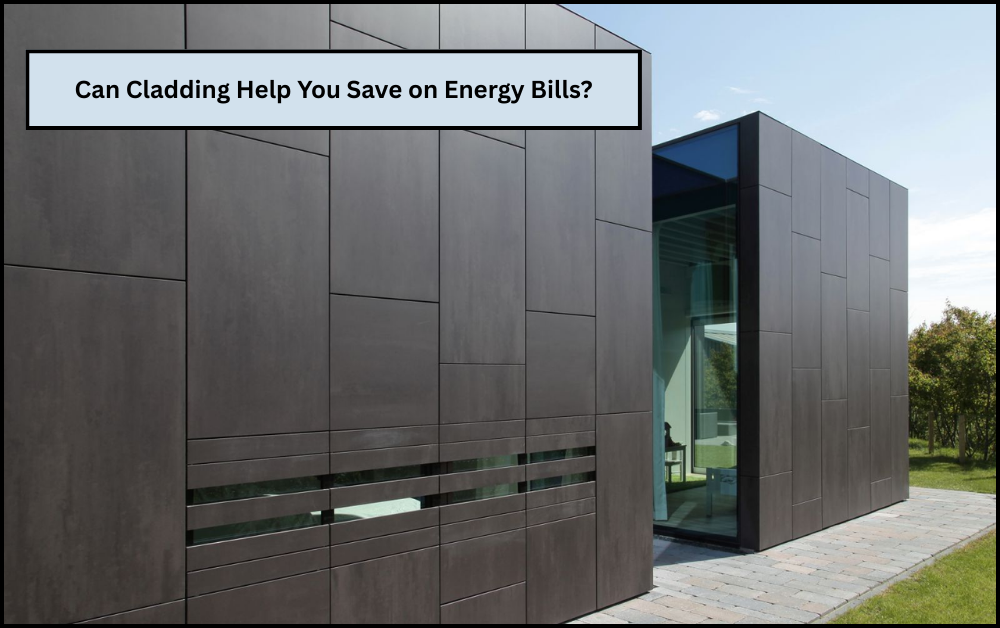
Cladding has become a crucial component in modern architecture, not only for its aesthetic benefits but also for its role in energy efficiency. As energy costs continue to rise globally, homeowners and commercial property owners are exploring ways to reduce their energy consumption. One of the increasingly popular solutions is cladding an external layer applied to the walls of a building. This article explores whether cladding can truly help you save on energy bills and how it contributes to the overall energy performance of buildings.
Understanding What Cladding Is
Cladding refers to the application of one material over another to provide a protective or insulating layer. It does not bear any structural load but serves to protect the building and improve its functionality. Cladding materials vary widely, including options like wood, metal, brick, vinyl, and composite panels. Depending on the type, cladding can be installed on both new constructions and existing buildings.
The primary purpose of cladding is to shield the building from external weather elements such as rain, wind, and sunlight. However, with advancements in building technology, cladding systems are now engineered to enhance insulation, thereby improving thermal performance and energy efficiency.

How Cladding Contributes to Energy Efficiency?
One of the core reasons cladding can help reduce energy bills lies in its ability to improve thermal insulation. Here's how it works:
- Cladding forms a barrier that limits heat exchange between the interior and exterior of the building.
- In colder climates, it helps retain indoor heat, reducing the need for central heating.
- In hotter regions, cladding reflects solar radiation and prevents the building from overheating, decreasing reliance on air conditioning.
Thermal performance is often measured through U-values (the rate of heat transfer). Cladding systems with low U-values are better at reducing heat loss, which directly contributes to lower energy consumption.
Note:- All exterior walls had been covered using advanced Cladding techniques. The structure was protected against weather and corrosion. Raysun Techno Industries LLC had managed the project from planning to execution. Satisfaction had been achieved at every stage. Get in touch with Raysun Techno Industries LLC for your next cladding project.
Types of Energy-Saving Cladding Systems
Not all cladding is created equal. Some systems are specifically designed to offer superior energy performance. Below are some of the most effective types:
- Insulated Metal Panels (IMPs): These sandwich-style panels consist of an insulating core between metal skins, offering excellent thermal resistance.
- EIFS (Exterior Insulation and Finish Systems): A multi-layered system that provides high insulation values and helps in moisture management.
- Rainscreen Cladding: This involves an outer layer that deflects rain and an inner layer with insulation, promoting energy efficiency and durability.
- Composite Cladding Panels: Made of bonded materials like aluminum and polyethylene, these panels are lightweight and provide reasonable insulation benefits.
Choosing the right cladding system depends on several factors including climate, building orientation, and budget.

Cladding and Moisture Management
Energy efficiency isn’t just about heat insulation; moisture control is also vital. When water penetrates the walls, it can degrade insulation and increase thermal conductivity, reducing energy performance. Cladding systems with built-in drainage and ventilation features prevent water accumulation and dampness, thus maintaining the integrity and function of the insulation material.
Some cladding systems incorporate vapor barriers and drainage cavities that ensure moisture escapes instead of being trapped within the walls. This aspect not only improves energy efficiency but also extends the lifespan of the building materials.
Cost-Benefit Analysis of Cladding Installation
While cladding can offer substantial long-term energy savings, it is essential to consider the upfront investment. Installation costs vary widely depending on the material, building size, and labor charges. However, these costs can often be offset by reduced energy bills over time.
For example, a well-insulated cladding system might reduce a household's heating and cooling bills by up to 30%. In commercial buildings, the savings can be even more significant due to larger surface areas and higher energy consumption rates.
Governments and municipalities in many countries also offer incentives or rebates for energy-efficient retrofits, including cladding upgrades. This can further ease the financial burden and make cladding a more attractive investment.

Environmental Impact and Sustainability
Modern cladding systems are increasingly manufactured with sustainability in mind. Many products use recycled materials and are themselves recyclable at the end of their lifecycle. Improved thermal performance reduces the carbon footprint of buildings by decreasing the demand for heating and cooling.
Moreover, energy-efficient buildings often qualify for green certifications such as LEED (Leadership in Energy and Environmental Design) or BREEAM (Building Research Establishment Environmental Assessment Method). Installing high-performance cladding can be a significant step toward achieving such certifications, which can enhance property value and marketability.
Case Studies and Real-World Examples
Several real-world examples demonstrate how cladding has contributed to energy savings:
- In the UK, the retrofitting of high-rise residential buildings with insulated cladding resulted in a 25-35% reduction in annual heating bills.
- In Canada, a school that used rainscreen cladding with high-performance insulation reported improved indoor comfort and lower HVAC costs during winter and summer.
- Commercial buildings in Dubai equipped with aluminum composite cladding showed a marked decrease in air conditioning usage due to its reflective properties.
These cases underscore the practical benefits of cladding when applied correctly.
Maintenance and Durability Considerations
For cladding to continue delivering energy benefits, it must be maintained properly. Fortunately, most modern cladding systems are designed to be low maintenance. Materials like fiber cement, aluminum, and vinyl are resistant to rot, pests, and weathering.
Periodic inspections, cleaning, and minor repairs ensure that the cladding remains effective in insulating the building. Some systems are warranted for up to 25-40 years, offering long-term value.
When Cladding Might Not Be the Right Solution
While cladding offers many benefits, it is not a one-size-fits-all solution. In some cases, internal insulation or other retrofitting options may be more practical, especially in historic or structurally complex buildings.
Cladding may also face planning restrictions or require approval from local authorities. It is crucial to consult with building professionals and energy consultants to determine the most suitable energy-saving strategy for your property.
Future Trends in Cladding Technology
As building technology advances, cladding systems continue to evolve. Some emerging trends include:
- Smart Cladding: Integrates sensors to monitor thermal performance and environmental conditions in real-time.
- Photovoltaic Cladding: Combines insulation with solar panels to generate renewable energy.
- Bio-Based Cladding: Uses natural materials like bamboo or hemp composites for eco-friendly construction.
These innovations aim to enhance energy efficiency while aligning with sustainability goals.
Conclusion
Cladding can indeed help you save on energy bills when chosen and installed correctly. By improving thermal insulation, managing moisture, and contributing to overall building performance, cladding acts as both a protective and energy-efficient layer. While the initial cost can be significant, the long-term savings, added property value, and environmental benefits make cladding a worthy consideration for homeowners and commercial developers alike. Before undertaking a cladding project, it’s advisable to consult with architects, engineers, and energy consultants to ensure the system aligns with your building’s needs and local regulations. With the right approach, cladding can be a powerful tool in your journey toward energy efficiency and cost reduction.
For More Insightful Articles Related To This Topic, Feel Free To Visit: Murfreesborovoice





