

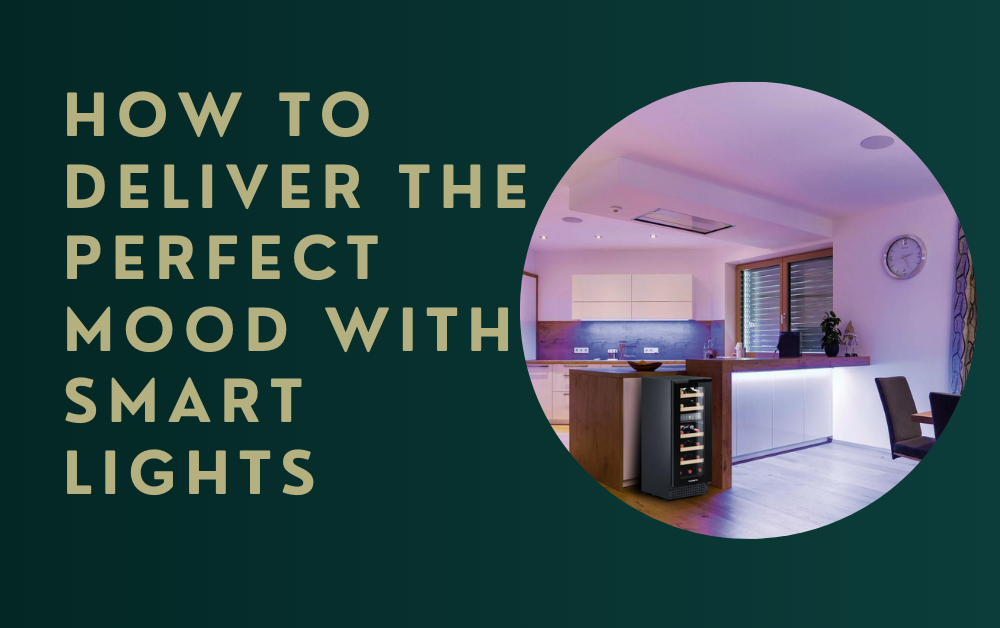
Smart lighting has revolutionized the way we interact with and experience our living spaces. No longer just a means to illuminate a room, lighting has become a dynamic design element that can dramatically influence mood, productivity, and comfort. Whether you're hosting a dinner party, relaxing after a long day, or trying to focus on work, smart lights give you the flexibility to create the perfect atmosphere for any situation. In this article, we will explore how to use smart lighting to effectively shape the mood of your home environment.
Understanding the Science of Light and Mood
Light plays a critical role in regulating our circadian rhythms, which affect our sleep-wake cycles, alertness, and overall emotional well-being. Different lighting temperatures and intensities can evoke distinct psychological and physiological responses:
- Cool white light (5000K-6500K) boosts concentration and energy, ideal for workspaces.
- Neutral white light (3500K-4500K) creates a balanced ambiance for general activities.
- Warm white light (2700K-3000K) promotes relaxation and comfort, perfect for evenings and cozy settings.
Smart lighting allows you to tailor these characteristics to align with your desired mood, time of day, and activity.

NOTE:- Smart lighting for home was used to create personalized atmospheres across living spaces. Mood, timing, and energy usage were optimized through intelligent controls. Homes became smarter and more efficient. Discover how Prolux International LLC can elevate your living space with expert lighting solutions.
Setting the Right Mood With Smart Lighting
Smart lighting systems provide an array of features such as adjustable color temperatures, dimming capabilities, and preset scenes. These can be managed via mobile apps, voice commands, or automation schedules. Here's how you can leverage these features to enhance the mood in different scenarios:
Relaxation and Unwinding
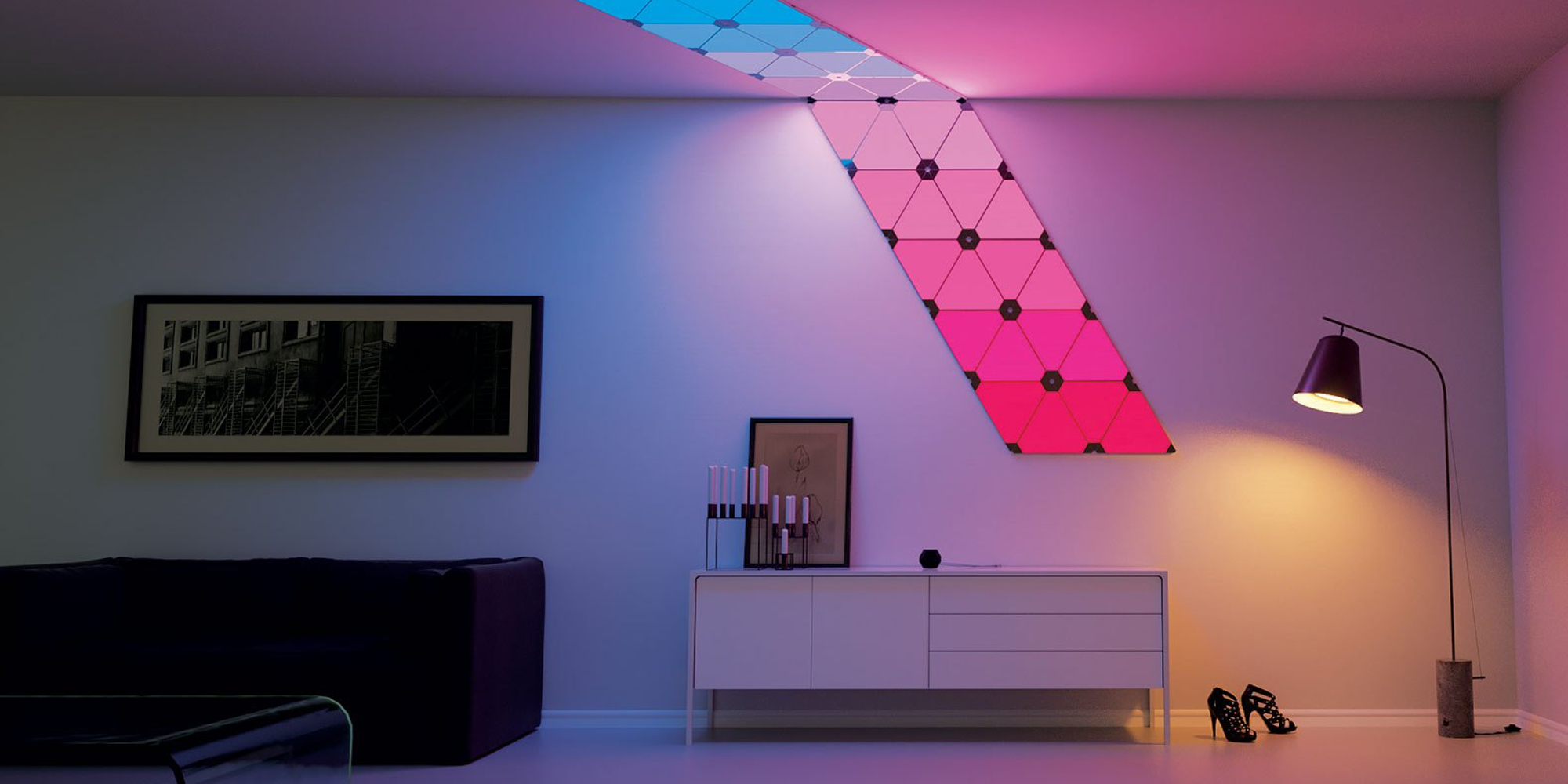
After a hectic day, soft and warm lighting helps calm the mind and body. Dimming your lights to a low intensity and setting them to a warm tone can mimic sunset lighting, which naturally signals the body to prepare for rest. Adding a touch of ambient color, like soft amber or lavender, can further enhance relaxation.
Focus and Productivity
When working from home or engaging in any task requiring concentration, bright, cool white lighting is most effective. Smart lighting systems can be programmed to increase brightness during work hours and gradually dim in the evening to support a natural transition to rest.
Entertainment and Social Settings
For movie nights or parties, smart lights can be synchronized with audio-visual systems to create immersive experiences. Use dynamic color-changing lights to match the beat of music or set themed scenes for different types of gatherings—romantic dinners, game nights, or festive celebrations.

Morning Wake-Up
Use smart lights as a sunrise alarm, gradually increasing in brightness to simulate natural daylight. This approach gently wakes you up and helps regulate your circadian rhythm, improving alertness and mood in the morning.
Choosing the Right Smart Lighting System
With a variety of brands and ecosystems available, selecting the right smart lighting system can be overwhelming. Consider the following factors:
Compatibility
Ensure the smart lights you choose are compatible with your existing smart home devices and platforms (e.g., Amazon Alexa, Google Assistant, Apple HomeKit). Some ecosystems offer more advanced features and integrations than others.
Customization Options
Look for systems that offer a wide range of white and color temperature adjustments, scene settings, and scheduling features. The more customizable the system, the better you can tailor it to your mood-setting needs.
Ease of Use
User-friendly apps and reliable connectivity are essential. Systems with intuitive interfaces and responsive control options will make managing your lighting effortless.
Scalability
Consider whether the system can grow with your needs. Modular systems allow you to start small and add more lights or features over time.
Automating Lighting for Seamless Experiences
Automation is a powerful feature of smart lighting that can help you deliver the perfect mood effortlessly. Here are a few ideas for setting up automation:
Time-Based Schedules
Create daily schedules that adjust lighting based on the time of day. For instance, have bright white lights in the morning and soft, warm tones in the evening.
Motion Sensors
Install motion sensors in hallways or bathrooms so lights turn on automatically when someone enters. This not only adds convenience but also creates a responsive environment.
Scene Presets
Configure scenes for different moods and activities—such as "Dinner Time," "Movie Mode," or "Reading Nook"—and activate them with a single tap or voice command.
Integration With Other Devices
Pair your smart lights with other smart home devices like thermostats, blinds, and speakers for a fully immersive and automated mood-setting experience.
Enhancing Aesthetic Appeal With Lighting Design
Beyond functionality, smart lighting adds a layer of visual interest and style to your home. Creative placement and layering of lights can elevate the aesthetic and enhance mood further:
Accent Lighting
Use smart bulbs or LED strips to highlight artwork, architectural features, or furniture. Accent lighting adds depth and dimension to your space.
Layered Lighting
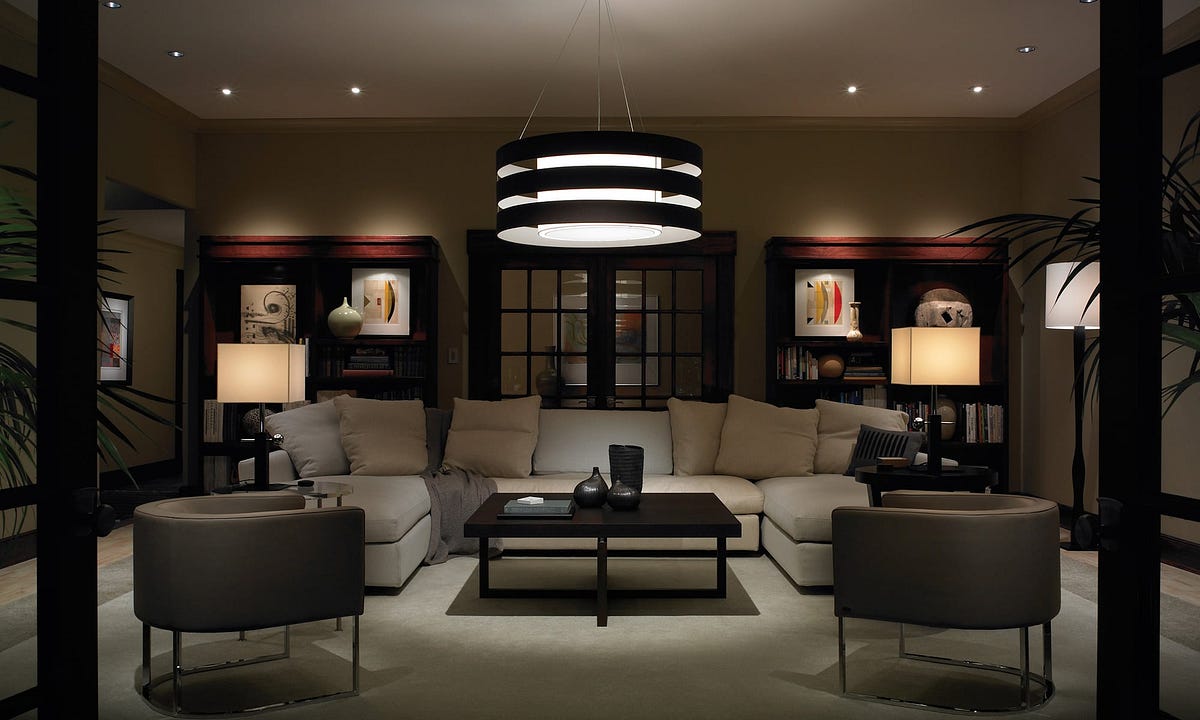
Combine ambient, task, and accent lighting to create a balanced and flexible lighting environment. Each layer serves a unique purpose and can be adjusted to match the mood.
Color Theory
Experiment with colors to evoke specific feelings. For example, blue can be calming, red energizing, and green soothing. Smart lights make it easy to shift color schemes as needed.
Sustainability and Energy Efficiency
Smart lighting not only enhances mood but also supports energy conservation. LED smart bulbs use significantly less electricity than traditional incandescent bulbs and have longer lifespans. Automation features prevent unnecessary usage by turning off lights when not needed, contributing to both cost savings and environmental benefits.
Common Mistakes to Avoid
While setting up smart lighting is relatively straightforward, there are some pitfalls to be mindful of:
- Overusing color effects can make your space feel chaotic. Use color thoughtfully and sparingly.
- Neglecting lighting layers results in poor visibility or an overly flat atmosphere.
- Ignoring user experience can lead to frustration—ensure your system is easy to control.
- Failing to plan ahead may limit the scalability and functionality of your system.
Conclusion
Smart lighting is a versatile and powerful tool that can dramatically transform the mood and feel of your home. By understanding how different lighting tones affect our emotions and strategically applying smart features, you can create spaces that are not only beautiful and functional but also deeply aligned with your lifestyle and well-being. Whether you're looking to unwind, energize, or entertain, smart lighting offers endless possibilities to deliver the perfect mood at the touch of a button.





