

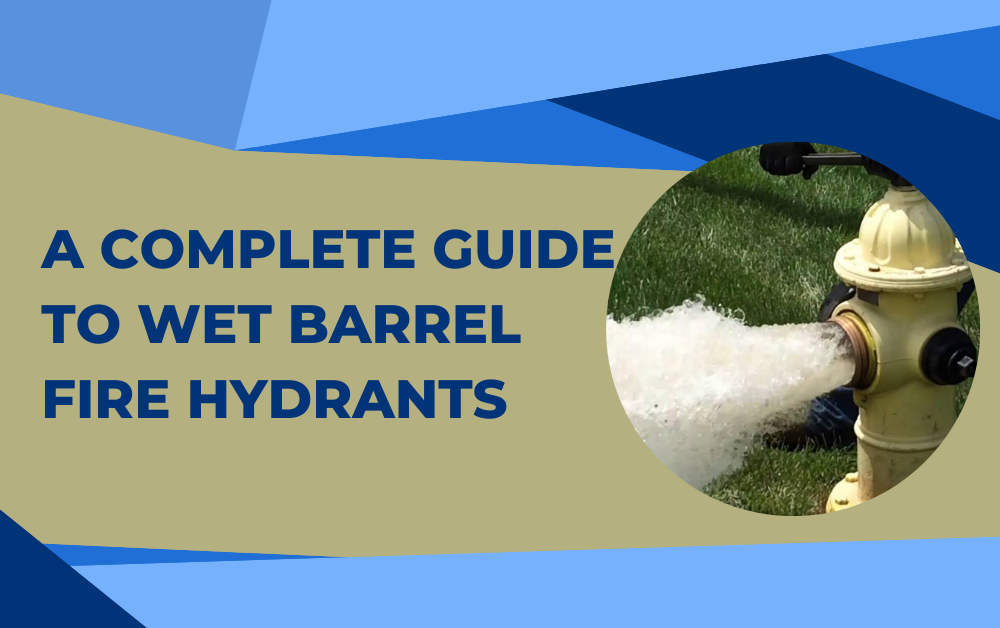
Fire hydrants play a critical role in urban fire protection systems, serving as vital access points for water in case of emergencies. Among the various types of fire hydrants, wet barrel fire hydrants are commonly used in warmer climates due to their design and ease of use. This guide provides a comprehensive overview of wet barrel fire hydrants, covering their structure, functionality, applications, maintenance, and advantages.
What is a Wet Barrel Fire Hydrant?
A wet barrel fire hydrant is a type of above-ground hydrant that has pressurized water present in the entire body of the hydrant at all times. This is in contrast to dry barrel hydrants, which are designed to keep water out of the hydrant body until a valve is opened. Wet barrel hydrants are most commonly found in regions that do not experience freezing temperatures, such as the southern United States, parts of Asia, and coastal regions.
Structure and Components
Wet barrel fire hydrants have a relatively simple construction. Their main components include:

- Barrel: The vertical, above-ground portion of the hydrant that contains pressurized water.
- Outlets: Multiple hose nozzles (usually 2.5-inch or 4.5-inch) for connecting fire hoses.
- Valves: Each outlet has an individual valve, allowing firefighters to control water flow independently.
- Bonnet and Cap: These parts protect internal components and provide access for maintenance.
- Operating Nut: Allows opening and closing of valves with a hydrant wrench.
The simplicity of the design makes wet barrel hydrants easy to operate and maintain, especially during emergency situations.
How Wet Barrel Hydrants Work
Unlike dry barrel hydrants, which require the opening of a valve stem to access water, wet barrel hydrants are always charged with water. Each nozzle or outlet has a separate valve that can be opened by firefighters when needed. The design eliminates the need for complex valve mechanisms and reduces the time it takes to access water.
This constant water availability is beneficial during emergencies but also means that any damage to the hydrant or its nozzles can result in continuous water loss until shut off at the main line.

Ideal Environments for Use
Wet barrel hydrants are not suitable for cold climates where water inside the hydrant could freeze, leading to malfunctions or bursting. Therefore, they are typically installed in areas where temperatures remain above freezing year-round. Common locations include:
- Urban and suburban neighborhoods in warm regions
- Industrial complexes in temperate climates
- Coastal cities and municipalities
Advantages of Wet Barrel Fire Hydrants
Wet barrel hydrants offer several advantages, making them a popular choice in appropriate climates:

- Ease of Operation: Individual outlet valves allow rapid deployment of hoses.
- Lower Installation Cost: Simpler design reduces the need for deep installation and complex valve systems.
- Quick Maintenance: Access to internal components is straightforward.
- Durability: Designed to withstand continuous water pressure.
These features make wet barrel hydrants especially valuable in fast-paced emergency scenarios where every second counts.
Key Differences from Dry Barrel Hydrants
Understanding the distinctions between wet and dry barrel hydrants is crucial when selecting the right type for a location:
- Water Presence: Wet barrels are full of water; dry barrels are empty until activated.
- Climate Suitability: Wet barrels are for warm areas; dry barrels are designed for cold climates.
- Valve Mechanism: Wet barrels have independent nozzle valves; dry barrels use a single main valve.
- Installation Depth: Wet barrels require less excavation than dry barrels.
Each type has its own applications and should be chosen based on environmental conditions and operational needs.
Installation Considerations
Proper installation of wet barrel fire hydrants is essential to ensure reliability and safety. Key factors include:
- Water Pressure and Flow Requirements: Hydrants should be connected to mains with adequate pressure and flow rates.
- Clearance and Accessibility: Hydrants must be installed with clear access for emergency use, free of obstructions.
- Height Above Ground: Standard installation requires the nozzle outlets to be a specific height above grade level for ease of connection.
- Drainage Planning: Though not as critical as in dry barrels, adequate site drainage helps prevent water pooling around the hydrant.
Local regulations and fire codes must always be followed during installation.
Maintenance Best Practices
Regular maintenance ensures that wet barrel hydrants function properly when needed. Common practices include:
- Inspection: Periodic visual checks for leaks, rust, and damage.
- Lubrication: Operating nuts and valves should be lubricated to prevent seizing.
- Flushing: Routine flushing to remove debris or sediment from the water lines.
- Cap and Nozzle Checks: Ensuring caps are tight and threads are clean and functional.
Municipalities often have scheduled maintenance programs, and hydrants are sometimes color-coded to indicate their maintenance status or water flow capabilities.
Common Challenges and Solutions
Despite their advantages, wet barrel hydrants can face challenges:
- Leakage: Caused by worn seals or vandalism; regular inspections can help detect early signs.
- Impact Damage: Being above ground, hydrants are vulnerable to vehicle collisions. Protective barriers or bollards may be installed.
- Unauthorized Use: Installation of tamper-resistant caps or locks can help prevent misuse.
- Corrosion: Use of corrosion-resistant materials and coatings prolongs hydrant life.
Early detection and proactive measures are key to maintaining operational efficiency.

Compliance and Safety Standards
Wet barrel hydrants must meet standards set by organizations such as:
- American Water Works Association (AWWA): Standard C503 outlines specifications for wet barrel hydrants.
- National Fire Protection Association (NFPA): NFPA 24 and NFPA 291 cover hydrant spacing, color coding, and performance.
- Local Building and Fire Codes: Specific requirements vary by jurisdiction and should always be consulted.
Compliance ensures hydrants perform reliably and are compatible with firefighting equipment.
Innovations in Wet Barrel Hydrant Design
Modern advancements are enhancing the functionality of wet barrel hydrants:
- Smart Hydrants: Equipped with sensors to detect flow rates, pressure, and unauthorized use.
- Improved Materials: Use of ductile iron, stainless steel, and UV-resistant coatings to extend service life.
- Quick-Connect Nozzles: Simplify hose attachment, reducing setup time.
These innovations contribute to increased reliability and efficiency during firefighting operations.
Conclusion
Wet barrel fire hydrants are a vital component of fire protection infrastructure in warm climates. Their straightforward design, ease of operation, and fast access to water make them indispensable for rapid emergency response. Proper installation, regular maintenance, and adherence to regulatory standards ensure their effectiveness and longevity. As technology advances, modern features continue to enhance their performance, making wet barrel hydrants a forward-looking choice for fire safety professionals.
Understanding the functionality and best practices surrounding wet barrel fire hydrants empowers municipalities, engineers, and fire departments to make informed decisions that can ultimately save lives and protect property.





