

In the realm of modern construction and engineering, structural stability is the cornerstone of successful design. As demands for taller, larger, and more resilient structures rise, selecting the right load-bearing elements becomes increasingly critical. Among these elements, H Beams have emerged as one of the most trusted and versatile structural components for handling heavy loads efficiently.
This article explores the intelligent application of H Beams in structural engineering, highlighting their design advantages, application areas, selection criteria, and how to optimize their use for maximum performance and safety.
Understanding the Role of H Beams in Construction
Defining H Beams
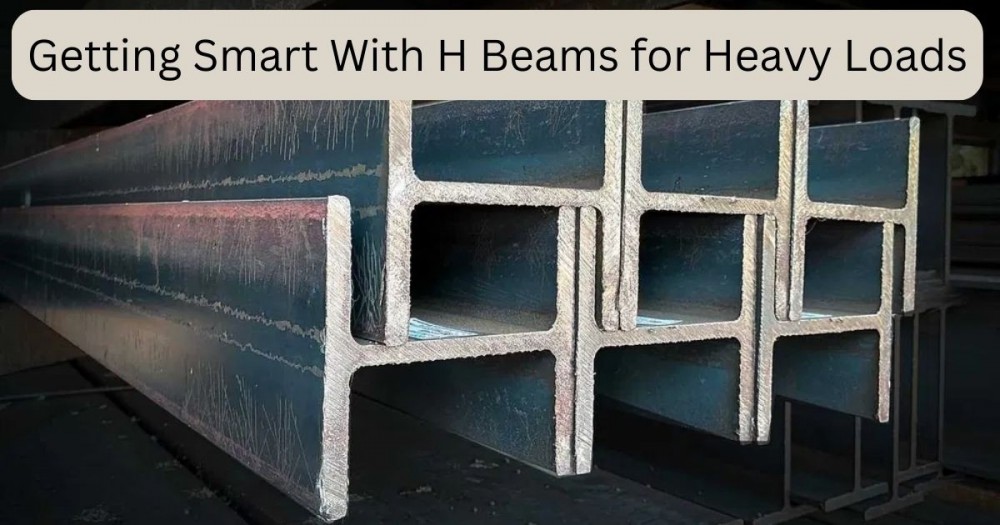
H Beams, also known as wide flange beams or universal beams, are structural steel members characterized by their distinctive H-shaped cross-section. This shape is designed to offer exceptional strength and load-bearing capacity, making H Beams ideal for supporting heavy structural loads in buildings, bridges, and industrial applications.

The horizontal components of the "H" are the flanges, and the vertical component is the web. The uniform thickness of the flanges and web contributes to their ability to distribute weight evenly, reducing the risk of bending or failure under stress.
Why H Beams Excel at Carrying Heavy Loads
The geometry of H Beams is key to their performance. The wide flanges allow for better load distribution over a larger surface area, while the deep web resists vertical shear forces. This combination provides a high strength-to-weight ratio, meaning H Beams can bear significant loads without excessive material use, thereby optimizing both cost and efficiency.
Key Applications of H Beams in Heavy Load Structures
High-Rise and Commercial Buildings
In modern architecture, particularly in skyscrapers and large commercial complexes, H Beams for heavy loads are fundamental. These beams serve as vertical columns and horizontal girders, forming the structural skeleton that supports the building’s weight, occupants, and environmental forces such as wind and earthquakes.
Industrial Facilities and Warehouses
Factories, warehouses, and manufacturing plants often house heavy equipment and storage systems. H Beams provide the necessary support for long-span roofing systems and mezzanine floors, ensuring that the structure can withstand dynamic and concentrated loads.
Bridges and Transportation Infrastructure
H Beams are also widely used in bridge construction, offering the tensile and compressive strength required to support vehicular and pedestrian traffic. Their stability and resistance to bending make them suitable for long-span bridge decks and piers.

Marine and Offshore Platforms
In marine construction and offshore platforms, where structures must endure extreme weather and load conditions, H Beams are favored for their strength, corrosion resistance (when treated), and ability to handle multi-directional loads.
Choosing the Right H Beam for Load-Bearing Needs
Steel Beam Basics Guide:
Selecting the correct H Beam involves reviewing several specifications, including:
- Depth (h): The height of the beam from top to bottom.
- Flange width (b): The width of the horizontal flanges.
- Web thickness (tw): The vertical section’s thickness.
- Flange thickness (tf): Thickness of the flanges.
- Weight per meter: Indicates the density and strength.
These dimensions are critical in determining the beam’s moment of inertia and section modulus, both of which influence how well it handles bending and shear forces.
Steel Grade and Material Selection
H Beams are manufactured in various steel grades, each offering different yield strengths and corrosion resistance properties. Common grades include:
- S235JR – Suitable for light to medium structures.
- S275JR – Balanced performance and affordability.
- S355JR – High-strength steel for demanding applications.
For outdoor or marine applications, galvanized or weather-resistant steel is often used to extend service life.
Structural Design Considerations for H Beams
Calculating Load and Stress Factors
When using H Beams for heavy loads, accurate calculation of forces is essential. Structural engineers must evaluate:
- Axial loads (vertical compression or tension)
- Bending moments (forces causing rotation)
- Shear forces (forces acting parallel to the beam)
- Deflection (beam displacement under load)
Designing within safe stress limits ensures that the beam will not fail under expected loads.
Span Length and Support Configurations
The length of the span between supports directly affects the choice of H Beam size. Longer spans typically require deeper and thicker beams to prevent sagging. Support configurations such as fixed ends, pinned connections, or cantilevering also play a role in determining structural stability.
Advantages of Using H Beams Over Other Structural Elements
Higher Load Capacity
Compared to other beam types like I-beams or T-beams, H Beams offer a larger cross-sectional area and wider flanges, which improve their ability to handle large axial and bending loads.
Versatility in Design
H Beams are available in a variety of dimensions and can be customized to specific project needs. They can be used vertically as columns or horizontally as beams and are easy to integrate into steel frameworks.
Easy Installation and Fabrication
Thanks to their standard shapes and sizes, H Beams are straightforward to cut, weld, drill, and bolt, which simplifies fabrication and reduces construction time.
Cost Efficiency in Long-Term Use
Though the initial material cost of H Beams may be higher than lighter alternatives, their durability and reduced need for maintenance result in long-term cost savings.
Enhancing Performance with Smart Installation Techniques
Proper Alignment and Leveling
Accurate alignment of H Beams during installation is vital. Uneven placement can cause stress concentrations, leading to premature failure or structural deformation. Precision leveling tools and laser alignment systems are often employed on large projects.
Welding and Joint Integrity
Strong and consistent welds are necessary to maintain the structural integrity of joints. In heavy load applications, certified welders and advanced techniques such as full-penetration welds are used to ensure the beam connections can bear the stress.
Bolted Connections for Flexibility
In modular and prefabricated structures, bolted H Beam connections provide flexibility for expansion, disassembly, or replacement. High-tensile bolts and properly torqued joints ensure that the beam maintains its load-bearing capacity.
Optimizing Longevity and Durability of H Beams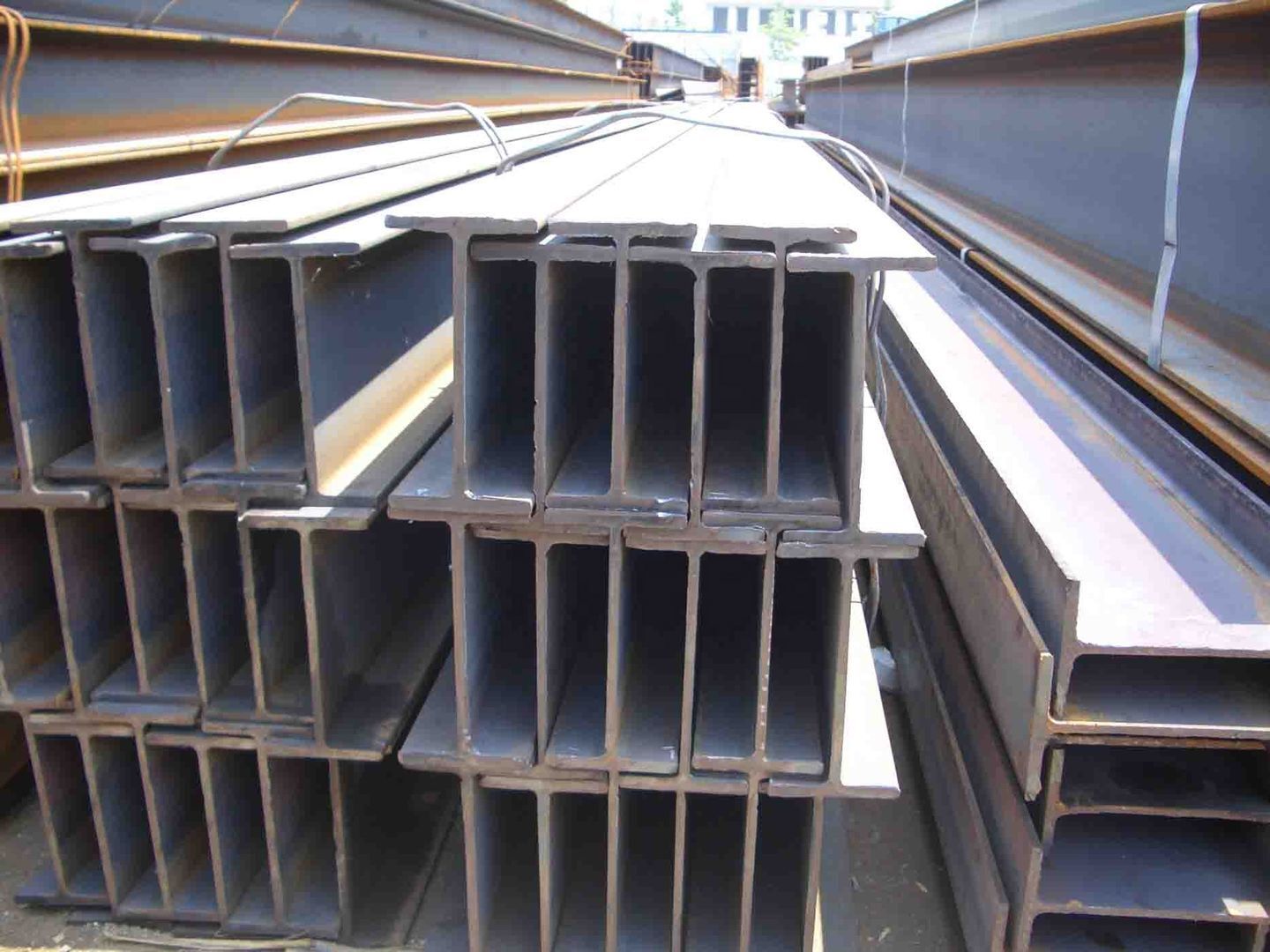
Protective Coatings
To prevent rust and corrosion, especially in exposed environments, H Beams can be treated with:
- Hot-dip galvanizing
- Epoxy or polyurethane coatings
- Fire-resistant paint for safety
These coatings help maintain the beam’s structural integrity over time.
Regular Inspections and Maintenance
Periodic inspection of H Beams is essential, particularly in load-intensive or weather-exposed applications. Engineers check for signs of corrosion, deformation, cracks, and joint failures to preempt structural issues.
Future Trends and Innovations in H Beam Applications
Use of High-Performance Alloys
Advancements in steel manufacturing are enabling the development of high-performance alloys that offer improved strength-to-weight ratios and corrosion resistance, making them ideal for critical infrastructure projects.
Integration with Smart Building Systems
Modern H Beam applications are being integrated with smart sensors that monitor stress, vibration, and temperature in real-time. This data helps in predictive maintenance and ensures safety in high-load environments.
Sustainability and Recycling
Steel H Beams are 100% recyclable, making them a sustainable choice in green construction. Using recycled steel and energy-efficient fabrication methods contributes to reducing the environmental footprint.
Conclusion
In today’s complex construction landscape, getting smart with H Beams for heavy loads means going beyond traditional practices. It involves strategic planning, precise engineering, and advanced materials to ensure structural safety, efficiency, and longevity. Whether used in towering skyscrapers, robust bridges, or expansive industrial halls, H Beams stand out as a vital component of load-bearing excellence.
By understanding their design benefits, application scope, and technical requirements, engineers and builders can leverage the full potential of H Beams—building structures that are not only strong and resilient but also smart and future-ready.
For more insightful articles related to this topic, feel free to visit: murfreesborovoice





