

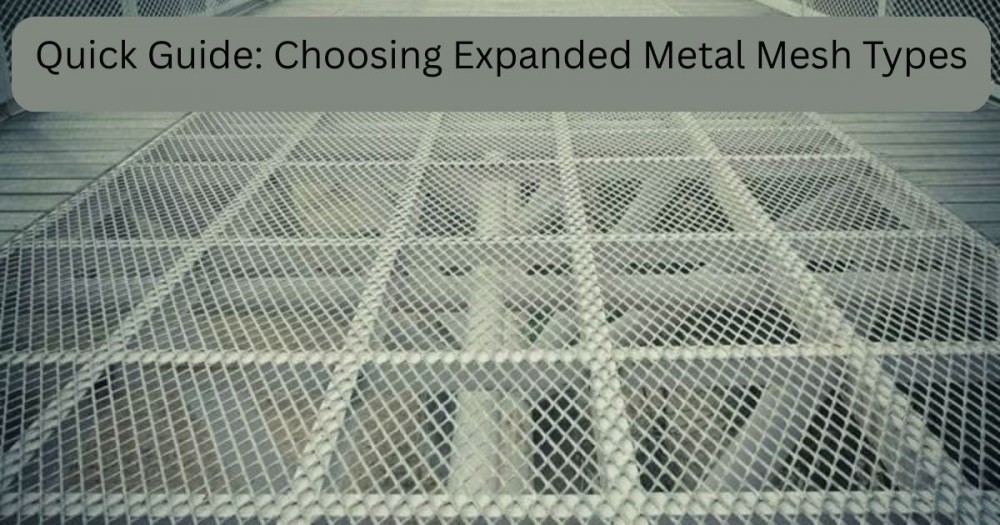
Expanded metal mesh has gained wide popularity across multiple industries for its strength, flexibility, and versatility. Whether used for industrial flooring, fencing, architecture, or filtration, expanded metal mesh is a reliable solution with many variations tailored to meet specific needs. This article provides a professional and informative overview of expanded metal mesh types, helping professionals, contractors, and designers make informed decisions.
Understanding Expanded Metal Mesh
What Is Expanded Metal Mesh
Expanded metal mesh is produced by simultaneously slitting and stretching a sheet of metal, creating a mesh pattern of diamond-shaped or other geometrically shaped openings. This process doesn’t involve any welding, making the sheet stronger and more rigid than perforated or woven mesh.
Why Expanded Metal Mesh Is Widely Used
Expanded metal mesh offers multiple advantages:

- High strength-to-weight ratio
- Cost-effectiveness due to no waste during manufacturing
- Slip resistance, especially in flooring applications
- Excellent ventilation and visibility
- Aesthetic appeal in architectural designs
Given its benefits, the demand for various expanded metal mesh types has grown across construction, security, transportation, energy, and design sectors.
Types of Expanded Metal Mesh
Understanding the different Expanded Metal Mesh types is crucial to selecting the right option for your project. Below are the primary categories based on design, application, and material.
Standard Expanded Metal Mesh
Also known as raised mesh, standard expanded metal mesh features a bumpy surface with strands and bonds set at an angle to the plane of the sheet. This design enhances grip and makes it suitable for walkways, platforms, and stair treads.
Flattened Expanded Metal Mesh
In this type, the raised mesh is passed through rollers to create a smooth, flat surface. Flattened mesh is ideal for applications where aesthetics and smoother contact surfaces are needed, such as in architectural panels or protective barriers.
Decorative Expanded Metal Mesh
Used primarily for aesthetic purposes, decorative expanded metal mesh features custom patterns, shapes, and designs. Architects often choose it for façade elements, interior partitions, or furniture accents due to its visual appeal.

Heavy-Duty Expanded Metal Mesh
This type features thicker strands and wider openings, providing additional strength for load-bearing applications. It is commonly used in security fencing, heavy equipment guards, and construction reinforcements.
Micro Expanded Metal Mesh
Micro mesh has tiny openings, making it ideal for filtration, speaker grilles, ventilation covers, and electronics protection. Its precision and fine detail provide both function and style in small-scale applications.
Choosing the Right Expanded Metal Mesh Type
Polyester Mesh:
Determine the Application Environment
The environment plays a critical role in material selection. For example:
- Corrosive environments like coastal areas demand stainless steel or aluminum meshes.
- High-temperature applications may require galvanized or carbon steel for durability.
- Aesthetic projects may benefit from powder-coated or anodized finishes for color and style.
Consider the Load and Stress Requirements
Not all expanded metal mesh types are made for heavy-duty use. For flooring or load-bearing structures, heavy-duty or standard meshes are preferred. On the other hand, lightweight and decorative meshes are more appropriate for cladding or interiors.
Understand the Opening Size and Pattern
Mesh opening size affects functionality:
-
Larger openings provide better visibility and airflow but may compromise strength.
-
Smaller openings offer security and filtration but reduce light and air passage.
Select the opening size and pattern based on your need for security, light penetration, ventilation, or aesthetics.
Evaluate Surface Finish and Coating
Different finishes and coatings can extend the mesh’s life and improve its appearance:
- Hot-dip galvanizing for corrosion resistance
- Powder coating for aesthetics and added protection
- Anodizing (especially for aluminum) for enhanced durability
Choosing the right finish can enhance performance in challenging environments.
Common Materials Used in Expanded Metal Mesh
Expanded metal mesh is available in a variety of materials, each suited to different applications.
Steel Expanded Metal Mesh
Steel is the most commonly used material due to its strength and cost-effectiveness. Suitable for structural applications and heavy-duty flooring, it can be galvanized or painted for corrosion resistance.
Stainless Steel Expanded Metal Mesh
Highly resistant to corrosion and oxidation, stainless steel mesh is ideal for marine, food processing, and chemical industries. It also offers a clean, modern look for architectural projects.
Aluminum Expanded Metal Mesh
Lightweight and corrosion-resistant, aluminum mesh is perfect for air and light filtration, sunshades, and facades. It is easy to fabricate and install, making it a favorite among designers.
Copper and Brass Mesh
For decorative purposes, copper and brass meshes offer unique color tones and weather naturally over time. These are typically used in art, architecture, and interior design.
Industries That Rely on Expanded Metal Mesh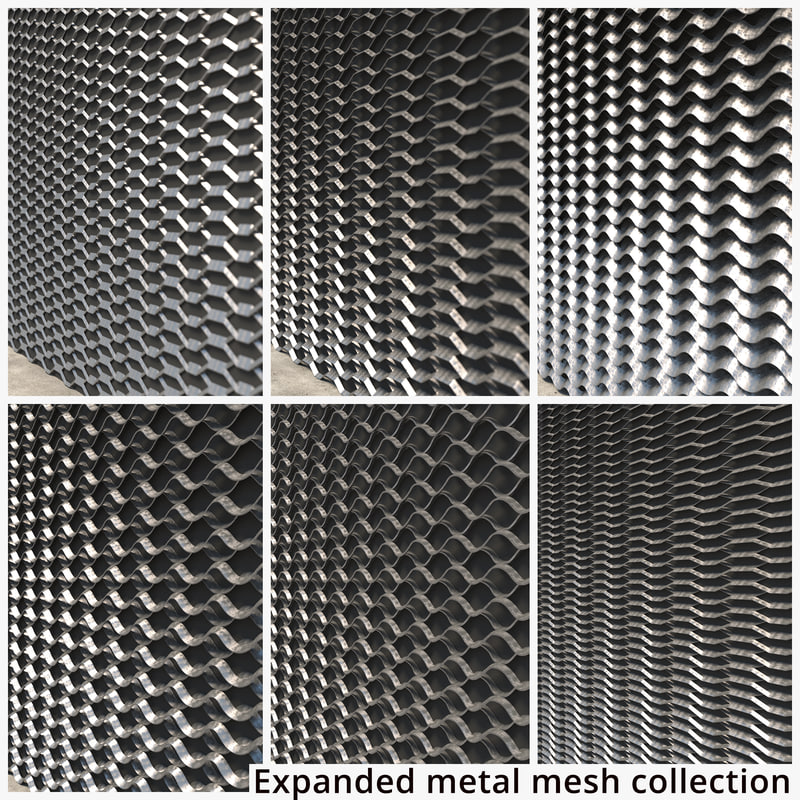
The versatility of expanded metal mesh types makes them applicable in numerous industries:
Construction and Infrastructure
Used for walkways, stair treads, fencing, scaffolding, and bridge decking due to its strength and slip resistance.
Architecture and Design
Architects use decorative and flattened mesh types in building facades, sunshades, partitions, and ceilings for their combination of function and style.
Industrial and Manufacturing
Factories use heavy-duty mesh for machinery guards, storage shelves, and platforms due to its resilience and safety features.
Transportation and Automotive
Used in ventilation grilles, protective screens, and structural supports within vehicles and trains.
Security and Defense
Security fencing, enclosures, and barriers often feature high-strength mesh for enhanced protection.
Installation and Fabrication Tips
Correct installation of expanded metal mesh ensures safety, longevity, and functionality.
Measure and Cut Accurately
Due to the complexity of the mesh patterns, accurate measurements and professional cutting tools are necessary to prevent waste and ensure a clean fit.
Choose the Right Fasteners
Fasteners should be compatible with the mesh material and suited to the environmental conditions. Stainless steel rivets, bolts, or clips are often preferred for longevity.
Consider Framing or Reinforcement
For structural stability, expanded metal mesh may be framed with angle iron, steel tubing, or other support materials to hold it in place effectively.
Safety and Maintenance Considerations
Regular Inspection
Inspect mesh regularly for signs of wear, rust, or damage, especially in load-bearing or outdoor applications.
Clean and Maintain
Maintain cleanliness to preserve aesthetics and performance. Stainless steel and aluminum meshes often require just mild soap and water for cleaning.
Recoat if Necessary
Over time, protective coatings may wear off. Recoating or repainting can help extend the mesh’s lifespan and maintain appearance.
Innovations in Expanded Metal Mesh
As technology advances, manufacturers have begun integrating expanded metal mesh with smart materials and custom design software.
Laser-Cut Precision
Modern machinery allows for highly accurate cutting and forming, making customized mesh designs feasible for unique architectural features.
Sustainable Materials
Eco-conscious designs are now utilizing recyclable materials and eco-friendly coatings to reduce the environmental impact of production and installation.
Hybrid Designs
Combining expanded metal mesh with glass, wood, or composite materials opens the door to creative installations in furniture, displays, and art.
Conclusion
Choosing the right expanded metal mesh type depends on several factors including application, environment, material, and aesthetics. From industrial safety to architectural elegance, the versatility of this product makes it indispensable in modern design and construction.
By understanding the nuances of each mesh type—standard, flattened, decorative, heavy-duty, and micro—you can make an informed decision that ensures both functionality and visual appeal. With the right knowledge and selection, expanded metal mesh types can enhance safety, style, and performance across virtually every industry.
For more insightful articles related to this topic, feel free to visit: murfreesborovoice





