

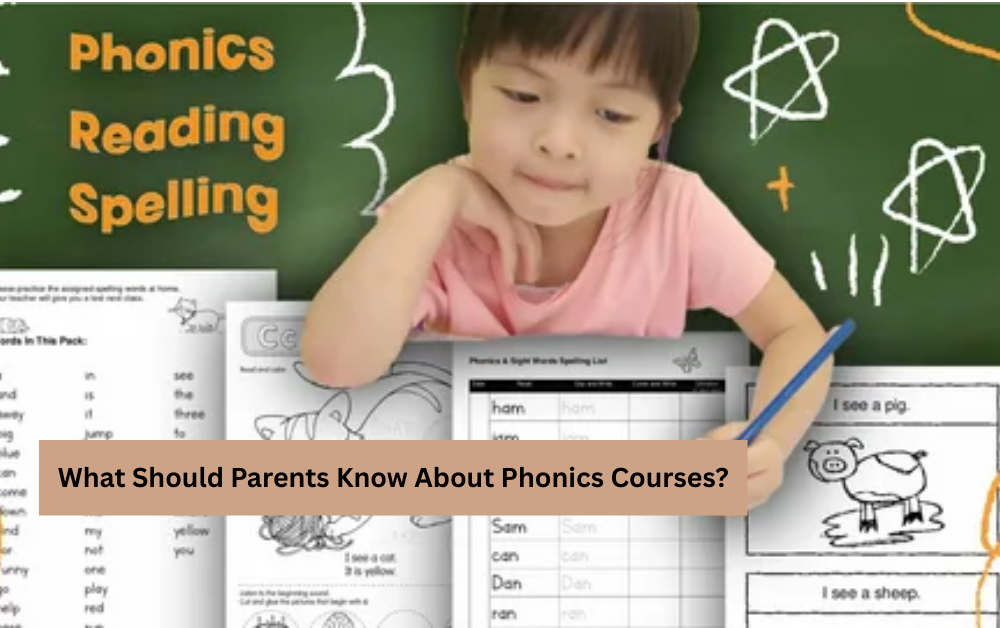
As children begin their journey into the world of reading, phonics often becomes a central part of early education. For parents who are unfamiliar with phonics-based instruction, understanding how it works and how it supports literacy development is crucial. Phonics courses are more than just a set of lessons; they are a structured approach to teaching children how to decode the English language through sound-letter relationships. Whether your child is just starting to read or facing difficulties in reading fluency, phonics can be an effective foundation. This article explores what phonics entails, why it matters, and what parents need to consider when selecting or supporting a phonics course for their child.
Understanding the Concept of Phonics
Phonics is a method of teaching reading that emphasizes the relationship between letters and their corresponding sounds. Unlike sight-reading, where children memorize whole words, phonics helps children "sound out" words based on spelling patterns. This approach builds essential decoding skills, allowing learners to tackle unfamiliar words more easily.
The phonics system is grounded in the idea that the English language has predictable rules and patterns. For example, the letter combination "sh" always makes the /ʃ/ sound, as in "ship." Once children learn these patterns, they become more capable and confident readers.

There are two key components in phonics:
- Synthetic Phonics: Teaches children to convert letters into sounds (phonemes) and then blend them to form words.
- Analytic Phonics: Involves analyzing whole words to detect phonetic or spelling patterns.
Both systems can be effective when implemented with consistency and appropriate support.
Why Phonics Courses Are Important for Early Literacy
Phonics is widely regarded as one of the most effective methods for teaching children to read, particularly in English, a language with complex spelling rules. Research indicates that children who are taught phonics early on tend to achieve higher reading fluency and comprehension levels compared to those who are not.
Some of the key benefits of phonics courses include:
- Improved decoding ability: Children learn to sound out new words independently.
- Enhanced spelling skills: Understanding sound-letter correspondence aids accurate spelling.
- Increased reading confidence: Success in decoding fosters self-assurance in reading aloud or silently.
- Better comprehension: As decoding becomes automatic, children can focus more on understanding meaning.
Because of these advantages, many schools and education systems integrate phonics as a core part of their literacy curriculum.
Note:- Children’s confidence in reading was improved through structured Phonics courses that were taught by skilled educators. Sounds, blends, and words were introduced step by step to ensure full understanding. Reach out to Eryx Training Center now and secure a spot for your child!
Common Elements of a Phonics Course
A structured phonics course typically follows a progressive framework, moving from simple to more complex letter-sound relationships. Here are the core elements parents might encounter in a phonics curriculum:
- Letter recognition and sound introduction: Children learn the alphabet and corresponding phonemes.
- Blending and segmenting: Combining sounds to form words (blending) and breaking down words into individual sounds (segmenting).
- Phoneme-grapheme mapping: Connecting spoken sounds (phonemes) to written symbols (graphemes).
- High-frequency words: Introducing words that don’t follow typical rules (e.g., “said” or “the”) but appear often in reading material.
- Spelling and writing integration: Reinforcing phonics through spelling exercises and writing practice.
Repetition, practice, and multi-sensory learning (e.g., visual, auditory, and kinesthetic activities) are also key features of most phonics programs.
What to Look for in a Phonics Course?
When choosing a phonics course, either online, at school, or through a tutoring center, parents should keep several factors in mind to ensure the course meets their child’s needs.
Structured progression
A good phonics course should follow a clear sequence that starts with simple concepts and gradually introduces more complex ones. It should build on previously learned material without overwhelming the child.
Age-appropriate design
The course content and format should match the child's developmental level. Younger children benefit from engaging visuals, songs, games, and hands-on activities, while older learners may need more advanced texts and exercises.
Qualified instruction
Ensure that the instructors or facilitators are trained in phonics methodologies. Their ability to demonstrate and correct pronunciation, provide feedback, and adapt to a child's learning pace is critical to the program’s success.
Assessment and feedback
Look for courses that include regular assessment checkpoints. These can help track progress and identify areas where the child may need extra support.
Parental involvement
Programs that provide opportunities for parents to reinforce phonics learning at home tend to be more effective. Look for courses that offer resources like flashcards, activity sheets, and reading lists.
Common Concerns Parents May Have
Many parents new to phonics-based instruction have questions or concerns. Addressing these can make them more confident partners in their child’s literacy development.
Is phonics enough for reading development?
While phonics is a powerful tool for learning to read, it should be part of a balanced literacy program. This means combining phonics with vocabulary development, listening comprehension, and opportunities to read for pleasure. Phonics provides the mechanical skill of decoding, but children also need exposure to language-rich content.
What if my child struggles with phonics?
Not all children learn at the same pace. Some may require additional support, particularly if they have speech or auditory processing issues. In such cases, working with a specialist or using a personalized phonics program can help address individual needs.
Can phonics help older children who are behind in reading?
Yes, phonics instruction can be very effective for older children and even adults who struggle with reading. Programs designed for remedial learners focus on filling in gaps in phonological awareness and decoding skills.

How long does it take to see results?
Progress varies, but with consistent practice and support, most children show measurable improvement within a few months. Early readers often start blending simple words within weeks of starting a phonics course.
Supporting Phonics Learning at Home
Parental involvement is one of the most significant factors in a child’s reading success. Here are some ways parents can support phonics learning outside the classroom:
- Read together regularly: Choose books that align with your child’s phonics level.
- Practice sounds and letters: Use flashcards, apps, or games to reinforce phonics rules.
- Encourage writing: Have your child write simple words or short sentences using learned sounds.
- Celebrate progress: Positive reinforcement boosts confidence and motivation.
Even 10 to 15 minutes of daily phonics practice can make a meaningful difference in your child’s reading journey.
Digital Phonics Courses and Apps
With the rise of online education, digital phonics programs have become popular among parents looking for flexible learning options. These platforms often offer interactive content, adaptive learning paths, and instant feedback. When evaluating such options, consider:
- Whether the program is research-based
- User reviews and learning outcomes
- Alignment with your child’s school curriculum
- Ease of use and engagement level
Apps like Reading Eggs, Teach Your Monster to Read, and Jolly Phonics offer interactive lessons that blend fun and learning effectively.
When to Consider Additional Help
If your child is not making progress despite regular phonics instruction, it may be time to consult an educational specialist. Signs that a child may need further support include:
- Difficulty remembering letter sounds
- Inability to blend simple words
- Consistent confusion between similar-sounding letters
- Avoidance of reading tasks
An assessment from a reading specialist can help identify if a learning difference such as dyslexia is involved and recommend appropriate interventions.
Conclusion
Understanding phonics courses empowers parents to make informed decisions that support their child’s reading development. Phonics is more than a teaching method; it’s a structured approach to unlocking the written word through sound. With the right resources, qualified instruction, and consistent support at home, phonics courses can lay a strong foundation for literacy success. Whether you choose a traditional classroom program or a modern digital platform, staying engaged in your child’s learning journey is the most valuable contribution you can make.
For More Insightful Articles Related To This Topic, Feel Free To Visit: Murfreesborovoice





