

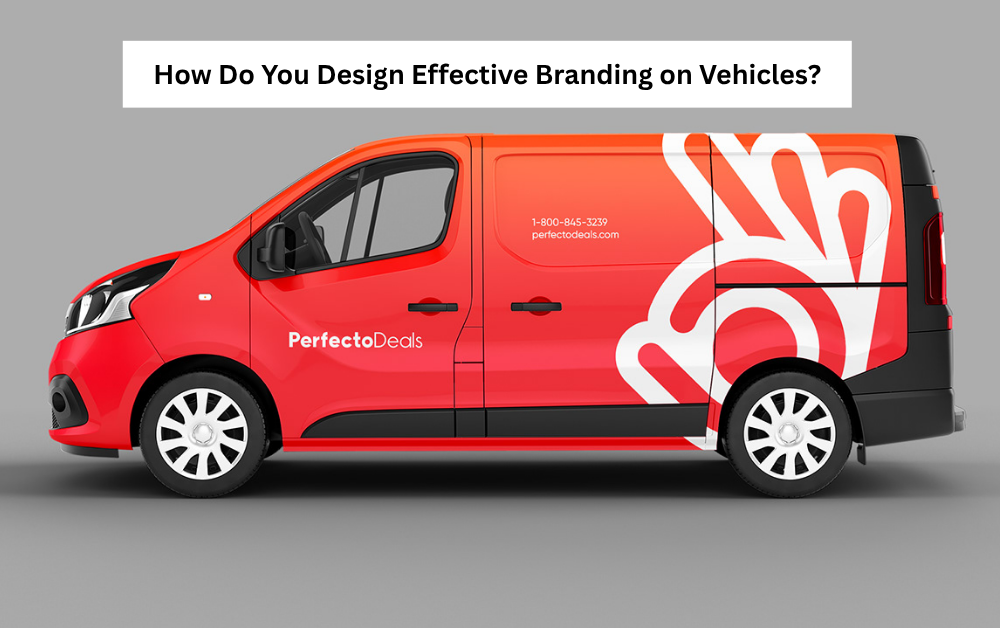
Branding is not just limited to billboards, social media, or websites—it’s everywhere, including the roads. Vehicle branding, often referred to as fleet branding or vehicle wraps, is one of the most powerful tools in outdoor advertising. When designed and executed effectively, it transforms company vehicles into mobile billboards that promote a business 24/7. But the real question is, how do you ensure that your vehicle branding is not only eye-catching but also delivers the right message to the right audience?
This article explores the essentials of designing effective vehicle branding, covering strategy, design principles, material choices, and best practices for optimal results.
Understanding the Purpose of Vehicle Branding
Before diving into design specifics, it’s crucial to understand why you are branding a vehicle in the first place. The core purpose is to increase brand visibility and create a consistent image that supports your overall marketing strategy. Whether it's a single car or an entire fleet, each branded vehicle serves as a moving advertisement that can reach thousands of people daily.
- Brand Awareness: Helps build recognition for your company name, logo, or product.
- Marketing Reach: Reaches a wide and diverse audience, especially in urban and high-traffic areas.
- Professional Image: Gives your company a credible and consistent look across all physical assets.
- Cost-Effective: One-time investment in wrapping offers continuous advertising without recurring costs.
Defining Your Branding Goals and Audience
Effective vehicle branding begins with a well-defined strategy. Before you start designing, answer these questions:
- What message do you want to convey?
- Who is your target audience?
- What action do you want people to take after seeing your vehicle?
For example, a plumbing service might aim to highlight reliability and fast response time, while a bakery may want to emphasize freshness and taste appeal. The tone, color, and imagery should all align with these goals. Defining your audience also influences whether your design should be playful, elegant, bold, or minimal.
Note:- Company names and visuals had been creatively displayed through branding on vehicles, helping businesses capture attention without ongoing costs. It was a smart move for lasting marketing. Let your brand be seen on the streets connect with Nova-sign for custom vehicle branding.
Choosing the Right Type of Vehicle Branding
Not all branding approaches suit every vehicle or business. Depending on your needs and budget, you can opt for one of the following:
Full Wrap
Covers the entire surface of the vehicle. This is ideal for maximum visibility and impact. Full wraps allow for more creative freedom and tend to attract more attention.

Partial Wrap
Covers only specific areas such as doors, hood, or rear. This option is budget-friendly while still offering strong visibility.
Vinyl Decals
Involves placing cut vinyl logos, texts, or images without covering the entire vehicle. Ideal for simpler branding with less investment.
Each option has its place, and the choice depends on your branding goals, design complexity, and how much exposure you aim to generate.
Designing for Impact and Clarity
Design is the heart of vehicle branding. An impressive design can leave a lasting impression, while a poor one can go unnoticed or even harm your brand’s image.
Simplicity is Key
A common mistake in vehicle branding is trying to do too much. Cluttered designs can confuse viewers and dilute your message. Instead, keep it clean and focused. Prioritize these key elements:
- Company logo
- Tagline or message
- Website or contact number
- Social media handles (optional)
Avoid adding too many images, excessive text, or unnecessary graphics. Most people will view your vehicle branding on the move—so the quicker the information can be processed, the better.

Use of Brand Colors and Fonts
Stay consistent with your brand’s visual identity. Use the same color palette, fonts, and tone of voice used in your other marketing materials. This consistency helps build brand recognition and trust.
Bold, high-contrast colors tend to perform better on the road. Make sure text is readable from a distance. Sans-serif fonts often work best for clarity.
Strategic Placement of Elements
Think of your vehicle as a 3D canvas. Effective placement is just as important as good design. Logos and contact details should be placed where they are most likely to be seen—usually the sides and rear of the vehicle.
Remember that different parts of the vehicle have different levels of visibility. For example:
- Rear: Best for call-to-action elements like phone numbers or websites, as vehicles are often seen from behind.
- Sides: Great for displaying your brand name, logo, and tagline.
- Hood: Less visibility, but can still add to the overall branding.
Also, keep in mind how the design will interact with vehicle features like windows, door handles, and curves.
Incorporating High-Quality Visuals
If your design includes images, they must be high resolution and suitable for large format printing. Pixelated or blurry visuals can negatively affect your brand’s professional appearance.
Use vector graphics whenever possible. These scale well to any size and maintain crisp lines and colors. For photos, aim for a resolution of at least 300 DPI at the actual size it will be printed.
Avoid stock images that may look generic or overly used. Custom photography, when available, adds uniqueness and credibility.
Material Selection and Printing Quality
Even the best design will fail if printed on subpar materials. Choose high-quality vinyl that can withstand UV rays, rain, and extreme temperatures without fading or peeling. The most commonly used vinyl types for vehicle branding are:
- Cast Vinyl: Ideal for full wraps; it’s durable, stretchable, and conforms to vehicle contours.
- Calendared Vinyl: Less expensive and suitable for flat surfaces; good for temporary or budget applications.
Ask your printing partner about lamination options. Laminates protect the wrap from scratches and sun damage, extending its life.
Always work with reputable printers who use advanced equipment to ensure color accuracy and consistency.
Legal Considerations and Local Regulations
Before applying any branding to a vehicle, check local laws and regulations. In some jurisdictions, certain colors, fonts, or reflective materials may not be allowed. There might also be restrictions on the amount of text or imagery you can display on commercial vehicles.
Additionally, if your vehicle will travel across regions or countries, make sure the design complies with all applicable transport and advertising laws. Failure to do so may result in fines or removal orders.
Installation Matters as Much as Design
Professional installation is crucial for a polished look. Even a perfectly designed wrap can fail to impress if installed with bubbles, wrinkles, or misalignments. Make sure your installer has experience with your specific type of vehicle.
The surface must be properly cleaned and prepped before installation. Avoid trying to cut corners with DIY applications unless you are trained. A poorly installed wrap not only looks unprofessional but may also wear out quickly.
Maintenance and Longevity
To maintain the appearance and effectiveness of your vehicle branding, proper care is essential. Here are a few maintenance tips:
- Hand wash the vehicle regularly with mild soap
- Avoid abrasive brushes and high-pressure washes
- Inspect regularly for signs of peeling, fading, or damage
- Store the vehicle in a garage when not in use to protect from harsh weather
On average, a high-quality vehicle wrap can last 5 to 7 years if properly maintained.
Measuring the Impact of Vehicle Branding
To determine if your investment in vehicle branding is paying off, establish methods to track results. Consider:
- Adding a unique URL or QR code on the vehicle to monitor web traffic
- Using a dedicated phone number or email for branded vehicle inquiries
- Asking new customers how they heard about your business
If branding is part of a larger marketing campaign, compare its performance with other channels. Though it’s harder to measure than digital marketing, strategic branding often results in strong brand recall and lead generation.
Keeping Designs Up to Date
Branding should evolve with your business. If your logo changes or you introduce a new service, make sure your vehicles reflect these updates. Outdated designs can send the wrong message and harm brand credibility.
Schedule periodic evaluations—perhaps every two to three years—to determine if a refresh or redesign is needed. Businesses that are expanding or rebranding should prioritize updating all physical marketing assets, including vehicle branding.
Conclusion
Designing effective branding on vehicles involves more than just sticking a logo on a van. It’s a strategic process that integrates design principles, audience targeting, quality materials, and professional installation to create lasting impact. When done right, vehicle branding becomes a high-visibility marketing tool that promotes your business day and night, wherever your wheels may take you.
By understanding your goals, working with professional designers and installers, and maintaining consistency with your broader brand identity, your vehicle branding can drive your business forward literally and figuratively.
For More Insightful Articles Related To This Topic, Feel Free To Visit: Murfreesborovoice





