

Introduction
Oncolytic virus immunotherapy represents a groundbreaking advancement in cancer treatment, utilizing genetically modified viruses to selectively target and destroy cancer cells while stimulating the body's immune response. As the global burden of cancer continues to rise, the market for oncolytic virus immunotherapy has gained significant traction, driven by technological innovations and expanding research initiatives.
The Evolution
The concept of using viruses for cancer treatment dates back to the early 20th century when researchers noticed tumor regression in patients with viral infections. The development of genetically engineered viruses has refined this approach, enabling controlled replication within cancerous tissues while minimizing damage to healthy cells. With approvals such as Talimogene laherparepvec (T-VEC) for melanoma, oncolytic virus therapy has transitioned from experimental studies to clinical applications, paving the way for further market expansion.
Market Trends
Several key trends are shaping the oncolytic virus immunotherapy market:
-
Expanding Pipeline of Oncolytic Viruses: Numerous biotech firms and pharmaceutical companies are investing in next-generation virus therapies targeting various cancer types.
-
Combination Therapies: Researchers are integrating oncolytic viruses with immune checkpoint inhibitors and other cancer treatments to enhance therapeutic efficacy.
-
Personalized Medicine Approach: Advances in genomics and biomarker research enable tailored treatment strategies, improving patient outcomes.
-
Rise in Clinical Trials: Increasing collaborations between academia and industry are accelerating clinical studies, leading to new approvals.
-
Growing Investment in Biopharmaceuticals: Venture capital and government funding are fueling R&D efforts in oncolytic virus technology.

Challenges
Despite its potential, the market faces notable obstacles:
-
Regulatory Complexity: Approval processes for biologics and gene therapies remain stringent, slowing commercialization.
-
Manufacturing & Scalability Issues: Producing stable and reproducible oncolytic viruses at a commercial scale is technically challenging.
-
Safety & Immunogenicity Concerns: Balancing viral potency while avoiding adverse immune responses remains an ongoing hurdle.
-
Market Penetration Barriers: High treatment costs and limited awareness affect adoption rates in certain regions.
Market Scope
The oncolytic virus immunotherapy market spans various applications and sectors:
-
Pharmaceutical & Biotech Companies: Driving R&D and commercialization efforts for novel virus therapies.
-
Hospitals & Cancer Treatment Centers: Implementing virus-based immunotherapy in oncology practices.
-
Academic Research Institutes: Conducting early-stage studies and innovative trials for therapy advancements.
-
Government & Regulatory Bodies: Facilitating funding and policy frameworks for oncolytic virus research.
Market Size
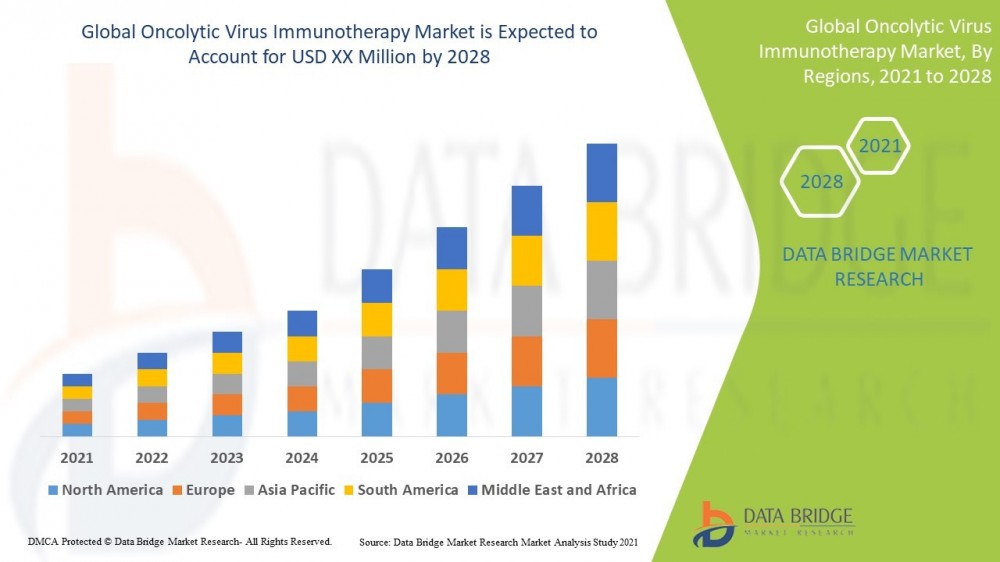
The global market for oncolytic virus immunotherapy has witnessed rapid growth, supported by increasing clinical approvals and rising cancer prevalence. Analysts project substantial expansion in the coming years, with key players investing heavily in innovative treatment solutions. The market value is expected to reach multi-billion-dollar figures as new therapies gain regulatory approval and patient adoption rates increase.
Factors Driving Growth
Several factors contribute to the rising momentum of the oncolytic virus immunotherapy market:
-
Increasing Cancer Incidence: Rising global cancer cases necessitate innovative treatment modalities.
-
Advancements in Genetic Engineering: Improved virus modification techniques enhance therapeutic precision.
-
Supportive Regulatory Landscape: Governments are investing in biopharmaceutical innovations, fostering market growth.
-
Growing Interest in Immunotherapy: Healthcare professionals and patients seek effective alternatives to conventional cancer treatments.
-
Strategic Partnerships & Collaborations: Industry stakeholders are forming alliances to accelerate product development.
Other Trending Reports
https://www.databridgemarketresearch.com/reports/global-pentane-plus-market
https://www.databridgemarketresearch.com/reports/global-oncolytic-virus-immunotherapy-market
https://www.databridgemarketresearch.com/reports/global-gallbladder-treatment-market
https://www.databridgemarketresearch.com/reports/global-facial-makeup-market
https://www.databridgemarketresearch.com/reports/global-western-blotting-market





