
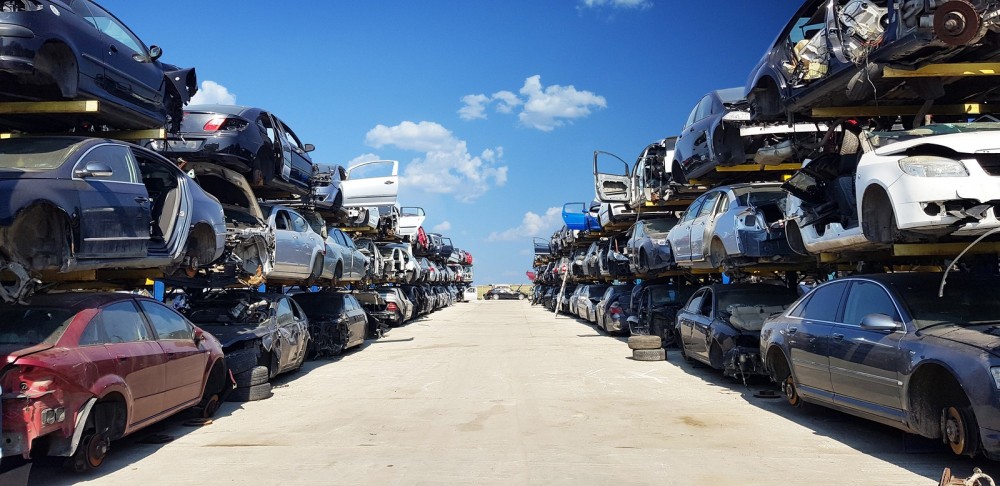
If you've ever driven past a junkyard and imagined it as just a chaotic pile of discarded metal, you’re not alone. But things have changed. Over the last 30 years, Australian junkyards have undergone a quiet but significant transformation. What used to be unregulated dumping grounds are now structured, environmentally conscious recycling hubs. This shift matters—not just for the environment but also for vehicle owners looking to dispose of old cars responsibly and efficiently.
The Early Days: Limited Oversight and Informal Operations
Three decades ago, many junkyards operated with little to no regulation. Cars were left to deteriorate, leaking oils and coolants into the ground. Hazardous materials like batteries and asbestos parts were rarely handled properly. Most parts were either left to rust or sold without testing. Environmental damage and poor worker safety were common concerns. The focus back then was on quick removal rather than sustainable processing.
The Push for Regulation and Compliance
As awareness about environmental issues grew in the 1990s and early 2000s, so did the push for tighter regulation. The Australian government, in partnership with local councils, introduced stricter laws around waste management. Facilities were required to hold licenses, comply with environmental protection standards, and improve workplace safety. This marked the beginning of the professionalisation of the auto recycling sector.

Technological Advancements in Dismantling and Recycling
Modern Australian junkyards now use advanced machinery for dismantling and processing vehicles. Instead of manual labour alone, automated systems are used to safely drain fluids, remove batteries, and strip valuable components. Recyclable materials like aluminium, copper, and plastics are sorted efficiently. Electronic waste, such as ABS modules and ECUs, are handled with care to avoid environmental contamination. These upgrades have significantly reduced waste while improving recovery rates. Some facilities have even expanded their services to offer cash for new cars that are written off or beyond repair, further streamlining the recycling process and encouraging responsible disposal of newer vehicles.
Environmentally Responsible Practices
Today’s junkyards play a vital role in Australia’s circular economy. According to the Federal Government’s National Waste Report 2022, over 90% of a car’s materials can be recycled or reused. Fluids like engine oil and coolant are now drained and recycled separately. Tyres are repurposed for construction materials or fuel alternatives. Even airbags and seatbelt components are dismantled with safety protocols in place. These practices reduce landfill waste and help conserve natural resources.
Shift in Public Perception
The perception of junkyards has also changed. No longer considered eyesores or environmental threats, many facilities are now seen as essential parts of the recycling ecosystem. Car owners are more informed about the importance of proper vehicle disposal. Services like car removal, cash for cars, and parts resale are now streamlined, and customers appreciate the convenience and environmental benefits.
Digital Integration and Customer Service
Over the last decade, digital tools have improved how junkyards interact with the public. Websites and mobile apps allow users to request quotes, schedule car removals, and even browse available spare parts online. Some facilities offer instant payments and same-day pickups, enhancing customer experience. This level of service was rare 30 years ago.
Challenges That Remain
Despite progress, challenges still exist. Illegal dumping and backyard wreckers continue to undermine legitimate businesses. Ensuring compliance across all states and territories is ongoing work. There’s also the issue of handling more complex vehicles, such as hybrids and EVs, which require specialised dismantling techniques. However, the industry is adapting with new training programs and updated infrastructure.

What It Means for Car Owners
For Australians with unwanted or scrap vehicles, the evolution of junkyards means a more transparent, eco-friendly process. You’re no longer just "getting rid of a car"—you’re contributing to a broader environmental effort. More people now look for reliable options to sell my car for cash, choosing services that provide paperwork, offer fair prices, and ensure the vehicle is recycled responsibly.
The Road Ahead: Continued Innovation
Looking forward, junkyards in Australia are expected to keep evolving. More emphasis will be placed on recovering non-metal components, adapting to EV technology, and integrating AI for sorting and diagnostics. Sustainability will remain at the core, driven by both consumer expectations and regulatory requirements.
Final Thoughts
In just 30 years, Australian junkyards have transitioned from environmental hazards to important players in the green economy. Thanks to regulation, technology, and public awareness, they now offer a reliable, responsible way to dispose of vehicles. The next time you think about where your old car might end up, know that it’s likely going to be handled by a facility that’s efficient, compliant, and environmentally aware.
Read more related blog on our website.





