

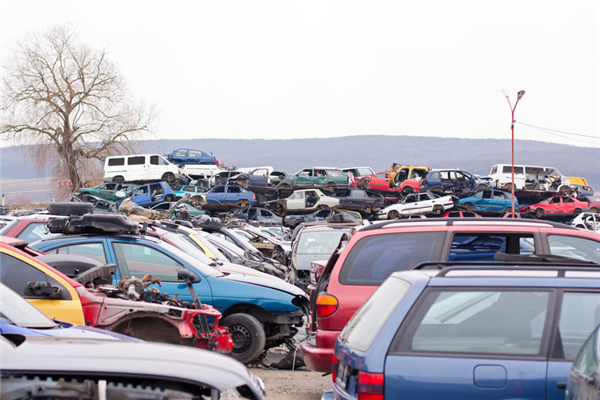
If you’ve ever dropped off an old car at a wrecking yard or used a cash for cars service, you might have wondered what happens next. Who takes the car apart? How do they decide what can be reused or recycled? This blog gives you an inside look at what a typical day looks like for a car dismantler in Melbourne—one of the key roles in the automotive recycling industry.
Understanding this job helps car owners appreciate the value and effort behind vehicle recycling. It also highlights how dismantlers contribute to both environmental sustainability and the second-hand parts market.
Starting the Day: Safety First and Job Planning
A car dismantler's day begins early, usually around 7:30 or 8 a.m. Before any tools are touched, safety protocols are reviewed. Dismantlers wear protective clothing, gloves, and safety goggles. Melbourne’s modern yards follow strict Occupational Health and Safety (OHS) regulations, especially when dealing with fluids and batteries.

Once the gear is on, the team checks the day's job list. Vehicles are scheduled for dismantling based on age, make, model, and the demand for their parts. Some dismantlers focus on popular models because their parts sell faster, while others may handle insurance write-offs or damaged imports.
Initial Inspection and Hazard Removal
The first task is always inspection. Dismantlers assess the vehicle’s condition and identify hazardous components. Fluids such as engine oil, brake fluid, and coolant are drained carefully to prevent spills. Batteries are removed and stored safely, while airbags and seatbelt pretensioners are disabled using special tools to avoid injury.
This part of the job is all about reducing risk and preparing the vehicle for safe dismantling. It’s also when parts like wheels, mirrors, and intact panels are flagged for resale.
Dismantling Key Components

Items in good condition are cleaned, tested, and shelved. Others are sent for recycling. For example, aluminium engine blocks go to scrap processors, while unusable plastics are sorted for waste management.
Special Handling of Electronic Components
Modern vehicles are loaded with electronics. Dismantlers must remove ABS units, ECUs (engine control units), infotainment systems, and sensors with care. These parts are valuable but sensitive. Melbourne’s larger wrecking facilities often have specialists who focus solely on electronics because improper removal can cause damage or data loss.
This is also where responsible recycling comes into play. Electronic waste must be handled in compliance with local environmental laws to avoid toxic leaks.
Working With the Sales and Inventory Team
Dismantlers don’t just take cars apart—they work closely with the sales and inventory teams. After components are removed, they pass through a quality check before being listed online or on in-house systems. Customers can call or visit the yard to buy used parts at a lower cost than new ones.
Dismantlers often provide input on which parts are in demand and which brands are more durable. This helps the business decide what kinds of cars to buy in future.
Midday Tasks: Clean-Up and Paperwork
By midday, several cars may have already been partially or fully dismantled. Teams take breaks, but also spend time cleaning work areas. Tools are sanitised, fluids are disposed of in environmentally friendly ways, and paperwork is updated. Many Melbourne yards now use digital logs instead of paper records to track parts and ensure compliance with government regulations.
Also visit: https://www.bestcashforcarz.com.au/scrap-car-yard/
Afternoon Work: Wrapping Up and Preparing for the Next Day
The afternoon is spent finishing incomplete jobs, restocking shelves, or preparing vehicles for transport to shredders. Sometimes, dismantlers receive training on new vehicle models or hybrid systems. As electric vehicles (EVs) become more common in Melbourne, dismantlers need to know how to safely disconnect batteries and understand high-voltage risks.
Why This Role Matters to Everyday Australians
Car dismantlers do more than just pull apart old cars. They help reduce landfill waste, promote recycling, and provide affordable parts to the public. If you've ever needed a second-hand bumper or engine component, chances are it came from the hands of a skilled dismantler.
This work also supports popular services like cash for new cars and car removal. When someone chooses to sell their unwanted vehicle, the dismantler is the person who makes sure it’s taken apart safely and responsibly.
Statistics That Show Their Impact
According to the Australian Bureau of Statistics and national recycling reports:
-
Over 800,000 vehicles are scrapped in Australia each year.
-
About 90–95% of each vehicle can be recycled or reused.
-
In Victoria alone, auto recycling supports over 5,000 jobs.
These numbers highlight how important dismantlers are in the bigger picture of automotive sustainability.
Final Thoughts
A car dismantler’s job is demanding, but it's also essential to the way we manage vehicle waste and spare parts in Melbourne. From safety checks to sorting recyclables and helping customers get affordable parts, their day is full of activity and purpose.
So, next time you sell your car for cash or visit a wrecker yard, remember there's a trained professional behind the scenes making sure your old car finds new life in other vehicles or as raw material for manufacturing. That’s recycling at its most practical and responsible level.
Read more informative blogs here.





