Welcoming a new baby is a beautiful experience, but the weeks following childbirth are crucial for a mother’s health and recovery.
Postpartum care involves the physical, emotional, and mental support a woman needs after delivery to regain strength and well-being.
After a vaginal delivery or a C-section, understanding the recovery process and knowing how to care for yourself can make all the difference.

This guide walks you through everything you need to know to recover safely and comfortably after childbirth.
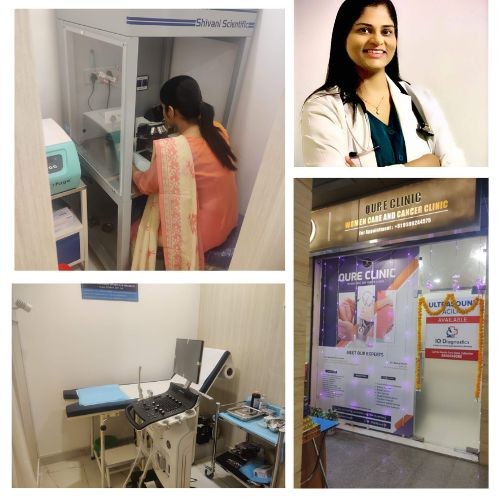
If you’re looking for expert guidance during your postpartum journey or managing fertility and pregnancy-related concerns, consulting a best gynecologist in Noida with extensive experience in reproductive medicine and advanced treatments can make a significant difference.
Located in Sector 121, Noida, Dr. Aprajita Srivastava is a trusted specialist known for her compassionate care and expertise in handling complex fertility and high-risk pregnancy cases, including minimally invasive procedures like gynec laparoscopic surgery in Noida.
What is Postpartum Care?
Postpartum care refers to the health care and support a mother receives after giving birth. This period, often called the “fourth trimester,” is when your body heals from pregnancy and delivery, and you adjust to new motherhood.
It includes monitoring physical recovery such as healing of tissues and hormonal balance, as well as addressing emotional health challenges like mood swings and postpartum depression.

Taking care of yourself during this time is vital—not only for your well-being but also for the ability to care for your newborn effectively.
Postpartum Recovery Timeline
The First 6 Weeks
Most postpartum recovery happens during the first six weeks after delivery. Your body undergoes significant changes as it heals, including:
- Uterus shrinking back to pre-pregnancy size
- Vaginal bleeding (lochia) gradually decreasing
- Healing of any tears or incisions
- Hormonal adjustments affecting mood and energy levels
Vaginal Delivery vs. C-Section Recovery
Recovery from vaginal delivery generally involves healing of the perineal area and managing bleeding, while C-section recovery requires wound care for the surgical incision and tends to take longer.
Your healthcare provider will advise you on activity restrictions and care for your specific situation.
Physical Care After Vaginal Delivery
Managing Pain and Swelling
Perineal discomfort is common after vaginal birth. Applying ice packs or frozen pads with witch hazel can reduce swelling and soothe pain.
Over-the-counter pain relievers like acetaminophen or ibuprofen, taken as recommended, can also help.
Handling Postpartum Bleeding
Bleeding and discharge, called lochia, can last several weeks. Use sanitary pads (not tampons) and change them frequently to prevent infection.
Hygiene and Wound Care
Keep the genital area clean by rinsing with warm water after urination or bowel movements. Avoid strenuous activities or heavy lifting during the early recovery period.
Rest and Activity
Rest is essential but gentle movement, like short walks, can promote circulation and healing. Avoid intense exercise until your provider gives the go-ahead.
Emotional and Mental Health Postpartum
Many women experience emotional changes after delivery. Postpartum blues—feelings of sadness, irritability, or anxiety—are common and usually resolve within two weeks. However, if these feelings intensify or last longer, they may indicate postpartum depression, which requires medical attention.
Don’t hesitate to seek support from healthcare professionals, family, or support groups. Your mental health is as important as your physical recovery.
Nutrition and Hydration for Recovery
Eating a balanced diet rich in protein, iron, calcium, and vitamins supports tissue repair and energy levels. Staying well-hydrated is especially important, particularly if you are breastfeeding
Incorporate fresh fruits, vegetables, whole grains, and lean proteins into your meals, and consult your healthcare provider about any supplements you might need.
When to See Your Healthcare Provider
Schedule a comprehensive postpartum checkup within 6 to 12 weeks after delivery.
During this visit, your doctor will assess your physical recovery, screen for postpartum depression, discuss contraception options, and answer your questions.
Seek immediate medical care if you experience:
- Heavy bleeding soaking more than one pad per hour
- Severe abdominal pain or swelling
- Signs of infection (fever, foul-smelling discharge)
- Intense mood swings or thoughts of self-harm
If you face fertility challenges or are considering assisted reproductive technologies, consulting an experienced infertility specialist in Noida or exploring options at a reputable IVF center in Noida can provide advanced support.
Treatments such as IVF test tube baby treatment in Noida and IUI are offered by experts to help fulfill your dream of parenthood.
Tips for New Moms: Self-Care and Support
- Prioritize Rest: Sleep when your baby sleeps, and don’t hesitate to ask for help.
- Accept Help: Family and friends can support you with chores and childcare.
- Gradual Activity: Ease into exercise with your healthcare provider’s guidance.
- Connect: Share your feelings with trusted people or join new mom support groups.
- Be Patient: Healing takes time—listen to your body and be kind to yourself.
FAQs on Postpartum Care
Q: How long does postpartum bleeding last?
A: Lochia usually lasts 4 to 6 weeks but varies for each woman.
Q: When can I resume normal activities?
A: Light activities can begin after a few days; avoid heavy lifting and intense exercise until cleared by your doctor.
Q: How do I care for a C-section incision?
A: Keep the incision clean and dry, watch for signs of infection, and avoid strenuous activity.
Conclusion
Postpartum care is a vital part of your journey into motherhood.
By understanding your body’s needs and seeking appropriate support, you can recover safely and enjoy this precious time with your newborn.
Every woman’s recovery is unique—take it day by day and prioritize your health.