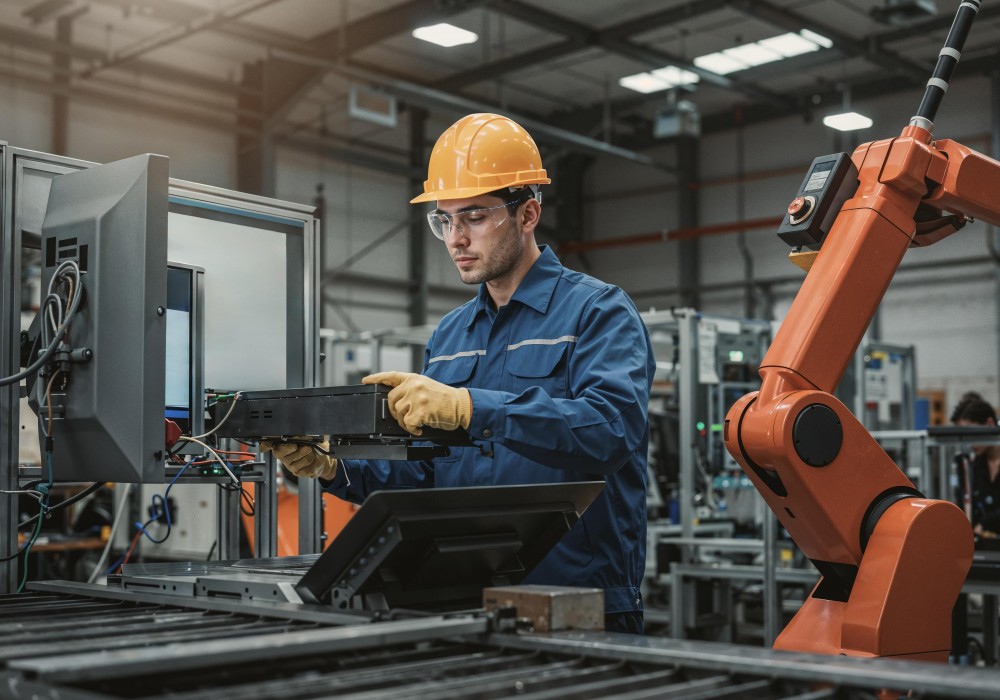
A controls integrator plays a critical role in the success of industrial automation. These professionals ensure that various systems within a facility work together seamlessly, harnessing technology to optimize processes and improve efficiency. Whether you're in manufacturing, power generation, or any other industry reliant on machine systems, a controls integrator is your key to unlocking greater productivity and reliability.
What Is a Controls Integrator?
A controls integrator is a specialist who designs, implements, and maintains automation systems. They focus on integrating hardware and software solutions to ensure that machines and processes communicate effectively.

For example, if a manufacturing plant needs its robotics, sensors, and programmable logic controllers (PLCs) to operate in harmony, a controls integrator brings everything together to accomplish this. Without these professionals, facilities could face uncoordinated systems, operational inefficiencies, and costly downtime.
Why Work with a Controls Integrator?
The value of working with an experienced controls integrator spans beyond basic troubleshooting. They bring expertise in system design, advanced technology, and process optimization to solve complex operational challenges. Here are some of the key benefits:
1. Seamless System Integration
Industrial facilities often rely on numerous technologies, from legacy systems to the latest smart devices. A controls integrator ensures seamless communication between these elements, creating an efficient, unified system. They ensure that legacy equipment still functions effectively alongside modern tools, improving lifespan and reducing the need for costly replacements.
2. Improved Efficiency
Automation solutions designed by a controls integrator significantly enhance operational efficiency. For instance, automated conveyors controlled by integrated systems can improve material flow, reducing production bottlenecks and increasing throughput.
3. Customization for Your Facility
Every industrial setup is unique, which is why standardized solutions often fall short. A skilled controls integrator tailors automation systems to fit the specific needs of your facility. Whether it’s a unique production process or space constraints, they ensure the system aligns with your goals.

4. Troubleshooting and Support
Industrial automation systems are complex. When issues arise, a reliable controls integrator can quickly troubleshoot problems, minimizing downtime. This proactive approach to maintenance ensures your facility’s operations run smoothly around the clock.
Explore how an experienced team can enhance your operations by visiting Xtreme Automation LLC.
Key Responsibilities of a Controls Integrator
A highly skilled controls integrator performs diverse duties to ensure successful automation projects:
- System Design and Implementation: They analyze facility requirements and design control systems tailored to the operational goals. Implementation may involve writing PLC programs or configuring Human-Machine Interfaces (HMIs).
- Testing and Validation: Once a system is developed, thorough testing ensures it meets performance standards. Control integrators identify and address inefficiencies during this phase.
- Maintenance and Upgrades: Continuous optimization and maintenance of automation systems are crucial to adapting to changing demands.
- Training Operators and Engineers: They provide guidance to your internal team, enabling them to operate and maintain systems effectively.
Choosing the Right Controls Integrator
Partnering with a reputable controls integrator is essential for achieving an efficient and reliable automation system. Here’s what to look for when selecting one:
-
Experience Across Industries
A seasoned integrator has vast knowledge and has likely worked within various industries, including food and beverage, pharmaceuticals, and automotive. Their experience means they’re equipped to tackle unique challenges. -
Deep Technical Expertise
Look for integrators skilled in the latest technologies like SCADA, PLC programming, and industrial IoT. Their technical knowledge ensures your systems leverage cutting-edge innovation. -
Client-Centered Approach
The right controls integrator partners with you, fully understanding your goals and adapting their solutions to your needs. They take the time to collaborate and offer custom designs that help your organization thrive. -
Reliable Support Services
Automation systems are investments, and you’ll need ongoing maintenance for peak performance. A reliable controls integrator offers long-term support and proactively prevents downtime.
Learn how Xtreme Automation LLC can provide the integration expertise needed to optimize your facility.
The Future of Automation and Controls Integration
The industrial landscape is evolving faster than ever, driven by the growth of Industry 4.0 and smart factories. Controls integrators are at the forefront of this transformation. They integrate connected devices, machine learning, and other advanced tools, enabling facilities to achieve unprecedented levels of productivity and precision.
For instance, an automated plant leveraging predictive maintenance tools can foresee mechanical issues before they cause breakdowns. By integrating such tools, a controls integrator delivers cost-saving advantages to businesses.
Final Thoughts
A controls integrator is a key player in embedding technology and efficiency into industrial environments. They don’t just automate machines; they create a unified system that makes your facility smarter, faster, and more reliable. Choosing the right partner, like Xtreme Automation LLC, ensures that your systems perform optimally, giving your business a competitive edge in today’s market.
If you’re looking to optimize your industrial processes and unlock the full potential of your automation systems, partnering with an experienced controls integrator is the way forward. Their expertise doesn’t just improve operations; it sets the foundation for long-term success.