

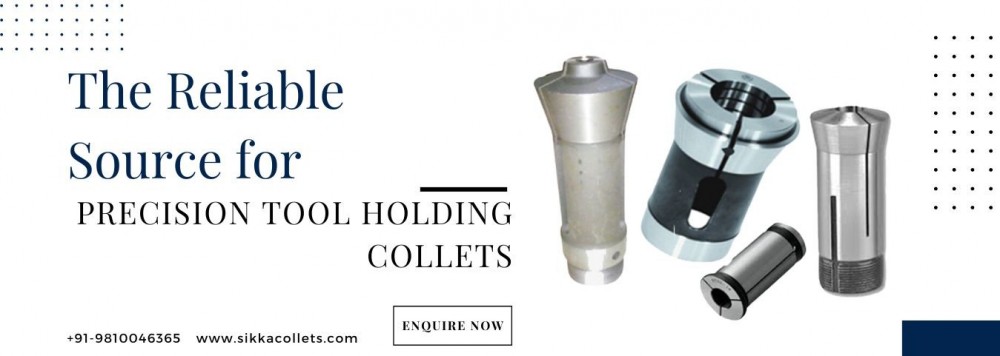
Choosing the right collet size for your CNC machine is essential for ensuring precision, safety, and efficient machining.
The collet holds your cutting tool or workpiece firmly in place, so using the correct size can significantly improve your machining accuracy and tool life.
In this guide, we’ll walk you through everything you need to know to pick the perfect collet size for your CNC projects, including a handy collet size guide to simplify your selection.

What is a Collet?
A collet is a cylindrical tool holder that clamps tightly around a cutting tool or workpiece in CNC machines, milling machines, or lathes.
It fits inside the spindle or tool holder and provides precise gripping force to prevent tool slippage or runout during machining.
Common types of collets include ER collets, 5C collets, DIN collets, ISO collets, and specialized collets like double angular collets, reverse taper collets, and special collets, each with unique shapes and size ranges tailored for different applications.
How to Know What Size Collet You Need?
Selecting the correct collet size starts with understanding the diameter of the tool or workpiece you want to hold.
The collet’s inner diameter must closely match the outer diameter of your tool’s shank — this ensures a secure fit without any “give.”

Step-by-Step Guide:
- Measure the tool shank diameter using calipers or a micrometer for accuracy.
- Consult the collet size guide specific to your collet type (e.g., ER collet size chart) to find a collet that matches your tool diameter.
- Check your CNC machine’s spindle and collet chuck specifications to confirm compatibility.
- Avoid using a collet that is too large or too small — the collet should grip snugly to prevent tool runout and maintain machining precision.
Common Collet Sizes for CNC Machines
Here are some typical collet sizes you’ll encounter:
- ER Collets: ER16, ER20, ER25, ER32, ER40 — popular for milling and drilling. The number denotes the maximum outer diameter (in millimeters) the collet can clamp.
- 5C Collets: Common in lathes and grinders; size refers to the internal diameter they can hold.
- 3C Collets: Smaller than 5C, used for fine machining with smaller diameter tools.
- Traub collets: Used specifically for head stock and tailstock applications in multi-spindle machines.
For example, a 5C collet refers to a standard collet size with a maximum capacity typically up to about 1 inch (25.4mm), while a 3C collet has a smaller maximum size, typically under 0.75 inches.
Factors That Drive Collet Size Choice
When choosing a collet size, consider the following:
- Type of machining: Milling, drilling, or 3-axis vs multi-axis CNC setups may require different collet types or sizes.
- Tool shank diameter: Select a collet that closely matches this measurement.
- Tool length and thrust: Longer tools may need larger collets to ensure proper engagement and support.
- Machine spindle type: Verify collet compatibility with your machine’s spindle or tool holder, such as spindles for CNC machines and sliding head collets.
How to Measure Your Collet and Tool?
To measure collets and tools accurately:
- Use calipers to measure the outer diameter of the tool shank.
- Measure the collet’s inner diameter and length if you need to identify its type.
- Match these measurements to standard collet size guides or manufacturer specifications.
- For multi-spindle machines, ensure compatibility with collets and feed fingers and feed fingers.
Tips for Choosing the Right Collet
- Always pick a collet size that is closest to your tool diameter for a secure grip.
- Avoid forcing a tool into an incompatible collet — this can cause tool damage or machining errors.
- Consider using a drill chuck if you frequently work with different tool sizes.
- Keep your collets clean and free of debris to maintain accurate size and grip strength.
- Replace worn collets as they lose gripping precision over time.
- Maintain accessories like collet sleeves, split sleeves, and collet nuts, wrenches, and spanners for optimum performance.
Sikka Collet – Precision You Can Trust
When it comes to reliable and precise collet solutions, Sikka Collet stands out as a renowned brand in the engineering industry. Known for manufacturing a wide range of high-quality precision engineering products—including collets, collet chucks, expanding collets, tapping collets, external thread collets, and turret sleeves—Sikka Collet offers dependable tools that cater to diverse machining needs. Using trusted products like those from Sikka can help ensure your CNC setup performs at its best.
Frequently Asked Questions
How do you know what size collet you need?
Measure your tool’s shank diameter and match it to a collet size guide for your collet type.
What size are CNC collets?
CNC collets come in various sizes, commonly ER16, ER20, ER32, 5C, and 3C, each suited for specific tool diameter ranges.
What does 5C collet mean?
A 5C collet is a standard collet size used mainly on lathes and grinders, designed to hold tools up to approximately 1 inch in diameter.
What is the maximum size of a 3C collet?
Typically, a 3C collet holds tools up to about 0.75 inches in diameter.
What drives your decision when choosing collet sizes?
Factors include tool diameter, machining type, spindle compatibility, and desired machining precision.
Conclusion
Choosing the right collet size for your CNC machine is key to achieving accurate, safe, and efficient machining.
By measuring your tool diameter carefully, consulting a reliable collet size guide, and considering your machining needs, you can ensure your collet provides the secure grip your tools require.
Always follow manufacturer guidelines and maintain your collets and related accessories for the best results.





