

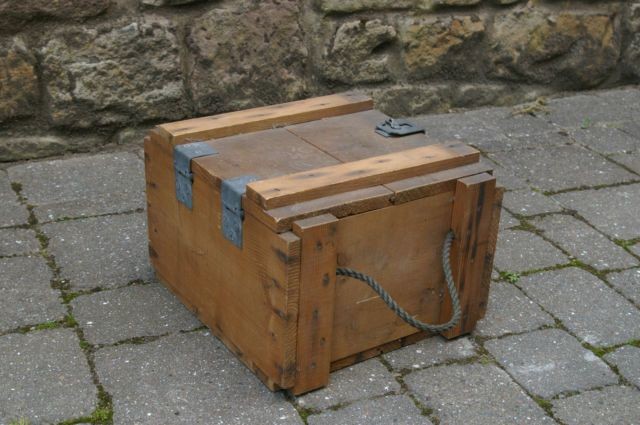
Throughout history, the proper storage and transportation of ammunition have been critical to the safety and success of military operations, hunting expeditions, and firearm enthusiasts. Ammunition is inherently volatile designed to detonate under specific conditions — which makes its secure containment a top priority. That's why durable cases, especially early forms like the wooden ammo crate, were not only practical but necessary.
During wartime and in civilian use, poor storage could mean the difference between reliable performance and catastrophic failure. From the rugged battlefields of World War II to modern shooting ranges, secure ammunition storage has evolved, but the core objectives remain: protection from environmental damage, secure transport, and accident prevention.
Key Points
- Durable cases protected ammunition from moisture, impact, and other environmental hazards.
- Secure storage minimized the risk of accidental detonation or degradation.
- Wooden ammo crates were among the earliest effective storage solutions.
- Modern ammunition cases have evolved but still reflect many early design principles.
- Proper ammunition casing ensures longevity, safety, and operational readiness.
The Historical Context: Why Ammunition Needed Protection
In the early 20th century and before, ammunition was frequently exposed to harsh conditions — from tropical humidity to freezing winters. Moisture, dirt, and mechanical shock could render rounds useless or, worse, dangerously unstable. Military forces quickly realized that improperly stored ammunition could not only hinder missions but also endanger soldiers’ lives.

As a result, the design and use of protective casings became integral to military logistics. The classic wooden ammo crate emerged as a practical and reliable solution. With thick wooden walls and metal reinforced corners, these crates offered a balance between rugged protection and transportability.
Wartime Logistics and the Evolution of the Ammo Crate
During World War I and II, millions of rounds of ammunition were moved across continents. These operations demanded a storage solution that could withstand long journeys by ship, rail, and vehicle. The military settled on durable wooden crates designed to protect ammo from moisture, shock, and stacking pressure.
Each crate was engineered for specific calibers, ensuring a snug fit to prevent movement and internal damage. Markings on the crates allowed for quick identification, improving efficiency in chaotic conditions. The design relied on simple yet robust materials to meet the demands of war.
Material Matters: Why Durability Was Non-Negotiable
Several materials have been used throughout history to house ammunition, from wood and metal to modern polymers. Yet the durability of these materials is what made them suitable for the task. The material chosen had to shield the ammunition from multiple threats:
- Moisture: Even small amounts of water could cause corrosion, which impacts the primer and powder inside the round.
- Impact: Dropping ammunition or jostling it in transit could damage the casing, leading to misfires or dangerous malfunctions.
- Temperature Extremes: High heat or sub-zero cold could alter the chemical properties of gunpowder.
Wooden Crates vs. Metal Containers
Wooden crates offered natural insulation and were less likely to spark if struck — a critical factor in volatile environments. They were also more accessible and easier to produce on a large scale. However, as technology advanced, metal and polymer containers began to replace wood for certain applications.

Modern metal containers offer superior resistance to punctures and are often used by military forces today. Still, the traditional wooden ammo crate remains favored among collectors, historical reenactors, and even some practical users for its robust simplicity and proven track record.
Design Features That Enhanced Safety
Beyond the material itself, the design of ammunition cases contributed heavily to their utility and safety. Several features were implemented to ensure optimal protection and usability:
- Water-Resistant Seals: Many crates incorporated internal linings or sealed lids to prevent moisture infiltration.
- Interlocking Lids and Fasteners: Secure closures prevented accidental opening during transit.
- Reinforced Corners: These helped absorb impact and made the crates resilient under stacking or rough handling.
- Modular Sizing: Standardized dimensions allowed for easier storage and loading onto transport vehicles and ships.
Embedded Labeling and Inventory Control
Another benefit of well-designed ammunition cases was their labeling system. Markings indicated caliber, quantity, manufacturing date, and even intended weapon systems. This ensured that the right ammo reached the right unit quickly and efficiently — reducing confusion and storage errors that could prove fatal in combat.
Modern Implications: How These Principles Still Apply
In civilian contexts, whether for sport shooting or home defense, proper ammunition storage is just as vital. While the risk of battlefield conditions may not exist, moisture, temperature, and accidental handling are real concerns. Modern ammo cases, often made from high-impact plastic or aluminum, still reflect many of the features pioneered by their wooden predecessors.
Firearm Safety and Legal Compliance
In the United States, several states have regulations around ammunition storage, especially in homes with children. Lockable, durable cases help meet these legal standards while preventing unauthorized access. Safe storage isn't just a best practice — it's a responsibility.
Consequences of Inadequate Ammo Storage
Improper storage can lead to a range of issues, from degraded ammunition performance to serious safety hazards. Deteriorated primers, compromised casings, and oxidized powder can all result from exposure to moisture and air. When fired, such ammunition may misfire, misfeed, or even explode within the firearm.
For military units, such failures can mean mission failure or casualties. For civilians, especially in self-defense scenarios, they can mean life-or-death consequences. This underlines why investing in durable, well-sealed cases is more than just good practice — it's essential.
Legacy and Continued Use of Wooden Ammo Crates
Despite the advent of modern materials, wooden ammo crates continue to find use today. They are often repurposed for storage, décor, and historical preservation. Many enthusiasts still prefer them for their aesthetic value, durability, and legacy.
Collectors and reenactors often seek authentic crates for their historical accuracy. Others use them for practical purposes, storing not only ammo but also tools and gear in garage workshops or shooting ranges. As a result, demand for reproduction and authentic wooden ammo crates remains steady.
Best Practices for Modern Ammo Storage
- Cool, Dry Location: Store ammunition in areas without extreme temperature fluctuations or humidity.
- Use Silica Gel Packs: These absorb moisture and help maintain a dry environment inside the case.
- Label Everything: Keep track of calibers, quantities, and purchase dates for inventory control.
- Lockable Storage: Use cases with locking mechanisms to keep ammo out of unauthorized hands.
- Avoid Frequent Handling: Constantly moving or jostling ammunition can lead to wear and damage.
Conclusion
The need for secure, durable ammunition cases has remained constant throughout history. From the early use of wooden crates during global conflicts to today’s high-tech storage solutions, the core principles of safety, protection, and reliability have not changed. Proper storage is not just about preserving value — it's about ensuring performance, safety, and peace of mind.
FAQ
Why were wooden ammo crates used historically?
Wooden ammo crates were used because they were durable, easily manufactured, and provided natural insulation. Their design helped protect ammunition from moisture, shock, and physical damage during transport and storage.
Are wooden ammo crates still used today?
Yes, though not as commonly in active military service. They are still used by collectors, shooting enthusiasts, and for decorative or storage purposes due to their robustness and historical value.
What risks are associated with improper ammo storage?
Improper storage can lead to moisture damage, corrosion, degraded performance, and even accidental discharge or firearm damage due to faulty ammunition.
What modern alternatives exist to wooden ammo crates?
Today, most ammunition is stored in high-impact plastic or metal containers with rubber seals and locking mechanisms. These offer better resistance to water, pressure, and tampering.
How can I ensure my ammo is stored safely at home?
Store ammo in a cool, dry place in a lockable, durable case. Use dehumidifiers like silica gel packs and label all stored rounds for easy inventory management.





