
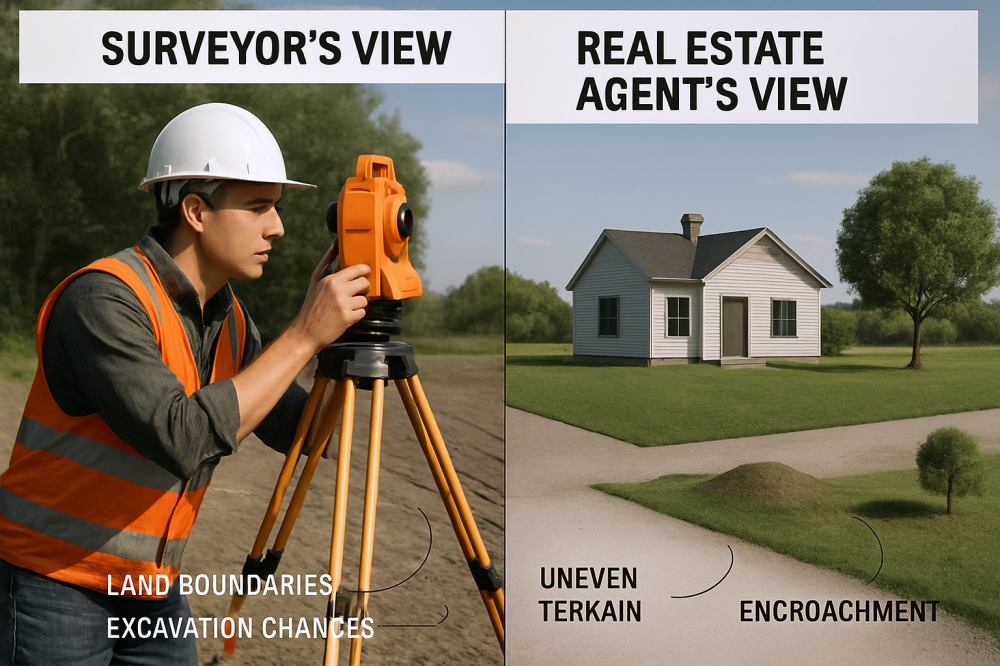
A Licensed Land Surveyor has a trained eye for reading land in a way that few others can. Before any sale or development, they examine physical boundaries, topography, legal records, and spatial data with exacting methods. While real estate agents focus on square footage, neighborhood appeal, and listings, surveyors work with boundary lines, elevations, easements, and legal constraints that can affect ownership or future use. These aren’t just technical details they’re crucial pieces that can influence property value and legal clarity.
More Than Just Property Lines
One of the most important areas overlooked by most property professionals is how lots are actually measured and defined. While a listing might state a lot size, surveyors validate the true legal limits. Sometimes fences or landscaping appear to mark property edges, but actual legal lines can differ significantly. That difference can create disputes or restrict future improvements. Agents don’t carry the tools or licensing to make those distinctions. Surveyors do and they’re accountable for their accuracy.
This clarity is especially important for buyers planning renovations or additions. A few inches can make a big difference in zoning compliance or in meeting state and municipal codes. Surveys help you avoid unwanted delays and unexpected costs after closing.

Easements, Rights, and Legal Limitations
There can be invisible strings attached to any property. Easements allow other parties, like utility providers or neighbors, access to parts of a land parcel. A driveway, a drainage route, or a utility pole may be sitting in a legally permitted space that restricts full control by the current or future owner. These rights don’t usually appear in a casual showing or listing summary. A Licensed Land Surveyor maps these out and flags them long before they become legal headaches.
Even private use agreements or older municipal records can hold obligations or limitations. Ignoring these can result in fines or forced changes to the property’s use later. A proper survey prevents costly surprises.
Construction Plans vs. Ground Reality
Even new construction isn’t exempt from hidden issues. Builders might follow architectural plans, but if those plans aren’t verified by a survey, they could run afoul of setback rules or zoning requirements. A few feet in the wrong direction can trigger compliance issues and legal costs. Agents often rely on builders or previous owners for this info, but a surveyor checks everything against official land records. It's not about trust it's about confirmation.
For investors or buyers planning future development, this step is essential. The cost of tearing down or reworking non-compliant structures far outweighs the initial survey fee.
Natural Features That Change Ownership Impact
A tree line or slope may seem part of the property, but might actually sit outside the legal boundaries. Surveyors use both manual checks and certified mapping techniques to show the difference between perceived and actual land. These findings affect grading, drainage, and future building potential things that most listings simply won’t tell you.

In rural areas especially, land value can depend on usable acreage. A survey provides a clear picture, helping buyers make informed decisions based on what can be done, not just what’s visible.
Survey Reports vs. Property Descriptions
A standard property description might say "spacious backyard" or "corner lot," but only a certified survey report provides the legal confirmation. These reports define the real footprint of a parcel, which can help owners make smarter investments or avoid overstepping legal limits. Real estate agents work to present appealing visuals and amenities. Surveyors focus on legal boundaries and data-backed detail things that offer real protection and clarity.
They also document exact measurements, elevations, and any overlapping claims, which can help during refinancing or subdivision efforts later on.
Why Title Issues Start with Poor Boundary Clarity
Title insurance protects against ownership disputes, but the real strength comes from the underlying survey. Without a verified boundary check, old records or incorrect assumptions can cause problems later. Property line issues may not surface until a neighbor builds a fence or a buyer tries to expand a home. A survey avoids future conflicts by laying out facts upfront. That’s a level of certainty that agents alone can’t offer.
Some lenders won’t even approve financing without an updated survey. The document isn't just helpful it can be essential.
Wrap Up:
Many property decisions get made on visual appeal, general descriptions, or verbal assurances. But only a Licensed Land Surveyor offers an objective, legal view of the land. Their reports help buyers understand real space, ownership limits, and risks hidden beneath surface features. While agents may highlight lifestyle, surveyors highlight truth. Property surveying ensures that every decision rests on verified facts, not assumptions.





