

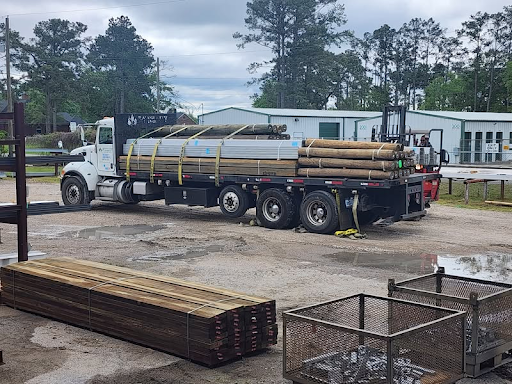
Wildfires used to be infrequent, seasonal events, but now they are unstoppable forces of nature that are fueled by drought, high winds, and hotter weather. People who live in areas where fires are common, notably in the American West and South, don't simply care about the environment; they care about their own lives. It's about safety, peace of mind, and keeping property and life safe for a long time. Your home should be a fortress, not a tinderbox, when the flames come close. The good news is You don't have to leave that up to luck. Using safer building materials like Fire Resistant Lumber and rough cedar lumber can make a big difference in how your home holds up under fire. We'll talk about why these materials are important, how they work, and why making the proper choice now could make a big difference later in this article.

Thinking About Building Materials Again in the Age of Wildfires
In the past, the main goals of building a home have been looks and affordability, not durability. Vinyl siding, untreated pine, and other less expensive materials may save you money at first, but they don't hold up well in intense weather, especially wildfires. The talk is now turning to resilience. Homes that are built with wildfires in mind not only endure longer, but they can also reduce the spread of fires in neighborhoods. This means that the materials you choose aren't just for your home; they're also for your neighborhood.

This is when fire-resistant wood becomes very important. This kind of lumber has been treated and tested to withstand extreme heat and flames. It can delay combustion, lower the risk of structural failure, and provide firefighters a crucial time advantage. It won't stop a fire, but it completely transforms the story from catastrophic loss to survival. And for people who like natural beauty, rough cedar lumber is a great choice because it looks rustic and is naturally fire resistant. Cedar contains natural oils and other qualities that make it better at resisting rot, bugs, and even fire than many other common woods.
What Fire Resistant Lumber Is and Why It Matters
Fire-resistant wood is not like other kinds of wood. The lumber gets qualities that make it far less prone to catch fire or spread flames through modern pressure treatments with fire-retardant chemicals. In real life, this means one simple yet powerful thing: more time. More time to leave. Firefighters have more time to get there. More time for buildings to stay up and lower the total loss.
Building rules are becoming stricter about using fire-resistant materials in places that are likely to have wildfires, such as roofs, siding, decks, and fences. This isn't just red tape; it's a reasonable response to repeated damage. Lumber that is rated for fire resistance usually fulfills standards like ASTM E84 or the Wildland-Urban Interface (WUI) regulations in locations that are at high risk.
But even if there aren't any rules, homeowners who want long-term safety should use fire-resistant wood. It can handle heat up to a point, slow down the spread of flames, and char on the surface instead of burning from the inside out. This charred surface protects the wood's core structure by keeping it safe. If your home is close to the edge of a forest or open brush, you have to use this kind of material.
Rough Cedar Lumber: Beauty That Fights Back
People have long liked cedar wood for how it looks and smells, but rough cedar has more to offer than simply looks. "Rough" means that the wood hasn't been sanded or planed, so it keeps its rustic look and structural thickness. That thickness makes it last longer, and when it comes to fire safety, rough cedar is better than many other woods that are smoother or thinner.
Cedar is naturally fire-resistant since it is not very dense and has oils that protect it. Cedar doesn't stop flames as well as chemically treated wood, but it does char on the outside, which creates a protective coating that slows down the burning. When tested in wildfires, structures made of cedar, especially those with extra fire-retardant coatings, have been able to withstand damage much better than structures made of more common, less expensive materials.
Rough cedar is not just a good choice for decks, fences, pergolas, and cladding; it's also a sensible choice for outdoor use. Rough cedar is part of a complete fire protection plan when used with landscape planning, such as defensible space and ground cover that won't catch fire.
The Real Cost of Not Being Fire-Resistant
Many homeowners may think that the cost of upgrading to fire-resistant materials is too high at first. But think about how much it would cost to do nothing: losing your home completely, rebuilding for months or years, and the emotional toll of beginning over. Insurance might assist, but it can't bring back memories, heirlooms, or the peace of mind that comes from feeling truly safe.
When you buy fire-resistant lumber and rough cedar timber, you are making a long-term investment. Insurance companies often give lower premiums to properties that were built with fire safety in mind. More importantly, when prospective buyers perceive that your property is ready for the reality of its environment, it will be worth more when you sell it.
Also, because climate change is making wildfires happen more often and more quickly, these materials aren't just a one-time remedy; they are an essential upgrade to keep up with a changing environment. If you choose to build or remodel with these materials today, your home won't be in the news tomorrow after a calamity.
Designing for Fire Resistance: More Than Just Wood
"Firewise construction" is a design philosophy that starts with picking safer building materials. This involves putting up non-flammable landscaping around your home, raising structures like decks, and employing vents that don't let embers through. But none of this will function without strong materials as a base.
Wildfires are very dangerous for roofs and other parts of buildings. Wind-driven embers can land on wooden shingles and set the building on fire very rapidly. This is where fire-resistant wood for decking and support beams really makes a difference. Using rough cedar or fire-resistant planks on porches, balconies, and stairs outside can help keep structures intact longer and slow the spread of fire.
Also, if your home has wooden fences that link to the house, switching to fire-resistant fencing materials can keep flames from spreading into your living room like a wick. It's important to see the home as a system and approach each part as a possible weak point or strong point.
How Builders and Homeowners Can Make Homes Safer Together
Homeowners are not the only ones who are responsible for fire safety. Builders, architects, and contractors need to keep up with the best materials and learn how to use them well. Fortunately, more people are becoming aware, and suppliers are offering more choices that are beautiful, long-lasting, and fire-resistant.
When homeowners seek safer products like fire-resistant lumber and rough cedar lumber, it generates a demand in the market that motivates everyone to do better. Builders are more likely to find out about how to install things correctly, what fire-rated products are, and building codes. When homeowners know what they're doing and builders listen to them, they may build homes that are not only attractive but also safe and long-lasting.
Talking to each other is important. Homeowners should ask professionals direct questions about the materials they use, how fire-resistant they are, and whether they follow local wildfire protection laws before they hire them. It's also vital to engage with suppliers who only sell these kinds of things. They will know what your area requires and have the right stock to meet those needs.
Looking Ahead: Building for a Future of Fire Safety
We can't ignore the fact that fire is becoming a bigger menace in the world anymore. But just being aware isn't enough. What comes next is action. The first step in that activity is to choose materials that literally strengthen our homes from the ground up. Using fire-resistant lumber and rough cedar lumber for siding, roofing, support beams, and outdoor buildings is a sensible, proactive, and perhaps life-saving choice.
As technology and building materials get better, homeowners will have even more ways to keep their families and investments safe. But we already have two strong instruments at our disposal: modern fire-retardant treated lumber and cedar that has been around for a long time. We don't merely build shelter with these; we also build strength.
As new neighborhoods are built and old homes are updated, ask yourself this: Will this material help my home stay cool? If the response is yes, then that's the proper choice. It's not enough to create for beauty anymore; we also need to construct for strength.
In conclusion, trust Bayou City Lumber where safety and quality meet.
Building smart means building safe in areas where wildfires are common. The materials you choose are very important, whether you're building a new home or making an old one stronger. Fire-resistant lumber protects against the rising threat of wildfires in a modern way, while rough cedar lumber has natural fire resistance and a classic look. In a world where every second matters, they are the first line of defense.
We know what's at risk at Bayou City Lumber. That's why we make high-performance building materials that are perfect for today's environmental problems. Don't give up when it comes to defending your home. Pick wood that is strong and will last. Come to Bayou City Lumber and let us help you make the right decisions. When you build with safety in mind, you can count on the future.





