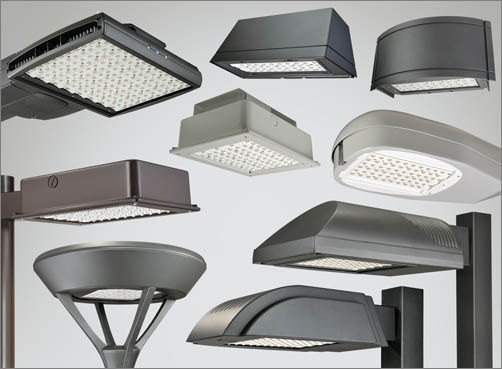
Lighting is one of the most impactful elements of interior design. It influences not only how a space looks but also how it feels and functions. While ambient lighting sets the mood and task lighting supports specific activities, accent lighting brings depth and dimension to a room. Among the most effective forms of accent and task lighting are spot lights. These compact and versatile fixtures help create layered lighting schemes that elevate any interior with precision, style, and functionality.
In today’s interior design, minimalism and functionality often go hand in hand. Spot lights offer an elegant way to combine both. Their focused beams allow homeowners and designers to draw attention to specific areas, artwork, or architectural details. They also provide targeted illumination in kitchens, offices, or galleries where clarity is essential. What makes spot lights even more appealing is their ability to be customized for different angles, intensities, and mounting styles, offering both practicality and visual interest.
One of the key reasons why a spot light is a preferred choice in modern lighting design is its adaptability. Whether you choose ceiling-mounted, wall-mounted, or track-mounted versions, these fixtures give you the flexibility to direct light precisely where it’s needed. This makes them ideal for both residential and commercial applications, from lighting up a cozy reading nook to showcasing merchandise in a retail store. Spot lights can be subtle enough to blend into ceilings or bold enough to stand out as design features, depending on your style preference.

Types of Spot Lights and Their Ideal Use
There are several types of spot lights, each with specific advantages and best-use scenarios. Understanding the differences can help you select the right fixture for your space.
Fixed spot lights are the most basic type. Once installed, they project light in a single direction. These are great for general lighting or for areas where the lighting needs do not change frequently. Fixed spots work well in hallways, corridors, and kitchens where consistent illumination is desired.
Adjustable spot lights allow the user to change the angle of the light beam. These are ideal for spaces like art galleries, living rooms, or bedrooms where lighting needs may vary. Adjustable fixtures are also useful when highlighting artwork, bookshelves, or textured walls.
Recessed spot lights, also known as downlights, are installed within the ceiling for a clean, modern appearance. These are perfect for minimalist interiors and offer unobtrusive lighting. They are commonly used in living rooms, kitchens, and bathrooms.
Surface-mounted spot lights are installed directly onto the ceiling or wall surface. These are more visible than recessed options and can be part of the room's décor. With stylish housings and designer finishes, surface-mounted lights can act as decorative features.

Track lighting systems use a series of adjustable spot lights mounted on a single track. This option is especially popular in commercial spaces or contemporary homes where flexibility and a modern look are desired. You can reposition or add more lights on the same track as needed.
Each type of spot light is designed to fulfill a specific function, and selecting the right one depends on both the room layout and the intended use of the space.
Design and Aesthetic Appeal
The beauty of modern spot lights lies not only in their utility but also in their aesthetic versatility. Available in various finishes—matte black, chrome, brushed nickel, and white—they can seamlessly blend with or stand out in different interior styles.
In minimalist spaces, matte black or white spot lights maintain a sleek, understated appearance. They do not distract from other design elements yet provide essential illumination. On the other hand, chrome or metallic finishes bring a contemporary touch, ideal for urban lofts or high-end retail environments.
The fixture's shape also plays a role in its visual appeal. Cylindrical housings offer a timeless look, while square or geometric shapes add a modern twist. Designers often choose spot lights with integrated LED modules for a compact design, eliminating the need for bulky bulbs and enhancing the fixture's sleek profile.
When used creatively, spot lights can become part of an architectural statement. For instance, placing multiple spot lights in a linear pattern across a ceiling can guide the eye and emphasize a room’s layout. When angled properly, they create shadow play and contrast, adding depth to flat surfaces.
Applications and Ideal Placement
Spot lights are among the most flexible lighting solutions due to their wide range of applications. They work well in practically every room and can be positioned for maximum effect depending on the function.
In the living room, use adjustable or recessed spot lights to highlight artwork, bookcases, or a media center. When combined with ambient lighting from floor or table lamps, they add depth and dimension.
In the kitchen, task-oriented lighting is crucial. Spot lights placed above countertops, islands, or stovetops provide focused illumination where you need it most. Adjustable fixtures also allow for repositioning to match the workspace setup.
In bedrooms, wall-mounted spot lights serve as stylish reading lights beside the bed. These free up nightstand space and offer adjustable light direction, which is especially useful for couples with different schedules.
Bathrooms benefit from spot lighting around mirrors or vanities. LED spot lights offer crisp, clear lighting for grooming tasks while maintaining a clean, modern aesthetic.
In offices or home workspaces, spot lights enhance concentration and reduce eye strain. Their directed beams focus light exactly where it’s needed, especially helpful for computer work, sketching, or reading.
Spot lights are also used in commercial spaces, including galleries, boutiques, and showrooms. Here, they are essential for highlighting displays, creating focal points, and guiding customer flow through a space.
Advantages of Spot Lights from Lite n Lamps
When it comes to modern spot lighting, Lite n Lamps offers an exceptional blend of style, performance, and innovation. Their collection features energy-efficient LED technology, durable materials, and contemporary designs tailored for a wide variety of settings.
One of the key strengths of Lite n Lamps is their attention to detail. Every fixture is designed to perform consistently over time, with heat-resistant housings and long-lasting LED modules that reduce the need for frequent maintenance.
Customization is another major advantage. Lite n Lamps provides options for beam angles, color temperatures, and finishes, allowing customers to create lighting schemes tailored to their exact vision. Whether you want warm lighting for a cozy environment or cool lighting for a crisp, modern space, there’s a solution available.
In addition, many of their spot lights are compatible with smart lighting systems, enabling users to control brightness and schedule via mobile apps or voice assistants. This blend of aesthetics and technology makes Lite n Lamps a go-to choice for homeowners and designers looking for flexibility without compromising on style.
Conclusion
Modern spot lights are essential tools in contemporary lighting design. They offer the perfect balance between function and form, delivering focused illumination while enhancing the style of any room. Whether used to highlight art, support task activities, or add architectural interest, spot lights provide a high-impact solution with a low-profile footprint.
With their wide range of types, designs, and applications, spot lights can be tailored to meet diverse needs and preferences. As lighting becomes more integral to how we live and interact with our spaces, the right lighting solution makes all the difference.
Lite n Lamps continues to lead the way with premium-quality spot lights that combine smart functionality, elegant design, and long-term performance. Investing in modern spot lighting not only improves visibility but also enriches the atmosphere and identity of every room in your home or workplace.